• Fall 2025
  • Blog
  • Resources
  • Field School
  • Students
  • Feedly
  • About
Menu

Avant-Guardian Musings

  • Fall 2025
  • Blog
  • Resources
  • Field School
  • Students
  • Feedly
  • About
large monogram_2018-02-01_22-31-07.v1 (1).png
“Art is an outlet toward regions which are not ruled by time and space”
— Marcel Duchamp

Avant-Guardian Musings is a curated space of ideas and information, resources, reviews and readings for undergraduate and graduate students studying modern and contemporary art history and visual art theory, film and photography studies, and the expanding field of visual culture and screen studies. For students currently enrolled in my courses or the field school, the blog and associated social media links also serve as a place of reflection and an extension of the ideas and visual material raised in lecture and seminar discussion.

Blog RSS

Screenshot 2018-02-05 20.56.45.png
Blog
KPU FINE ARTS PARIS + VENICE BIENNALE FIELD SCHOOL (MAY/JUNE 2026)
about 2 months ago
"No Fun City" Vancouver: Exploring Emotions of Detachment in Palermo, Sicily at AISU
about 4 months ago
Making Sense of Art in the Age of Machine Learning—A Suggested Reading List
about 5 months ago
From the Archives | How (And Why) To Take Excellent Lecture Notes
about a year ago
Weekly Musings + Round Up... And A Few More Things
about 2 years ago

Screenshot 2018-02-05 20.56.51.png
As we start the week in a storm of activity, new beginnings, and global uncertainty, I am grounded in my word for 2026– INTENTIONAL 🩶— “done with purpose, willingness, deliberation, and consciousness.” I see this word represe
As we start the week in a storm of activity, new beginnings, and global uncertainty, I am grounded in my word for 2026– INTENTIONAL 🩶— “done with purpose, willingness, deliberation, and consciousness.” I see this word represented in the symbol of the heart, and for this reason and many others both personal and professional, I will be bringing this much needed energy to my year. The power of a yearly word is transformative. I started in 2019 and my words have guided and carried me through some important moments and life decisions. If you haven’t already, give it a try, but remember to choose very wisely ☺️ “Radiate” 2025 ✨ “Maintain” 2024 💪🏻 “Refine“ 2023 🙌🏻 “Acta non verba” 2022 🤐 “Audacious” 2021 💃🏼 “Fearless” 2020 😛 “Unapologetic” 2019 💅🏻 #happynewyear #wordoftheyear #intentional #monicavinader @monicavinader
Polar bear ride! 🐻‍❄️🏍️💨🏍️ First motorcycle outing of 2026 in the books. A balmy 4C 🥶We love you Vancouver— good to be home 💙😊Wishing everyone a very Happy New Year! 🥳 
.
.
.
#happynewyear #vancouver #motorcycle #motorcyclesofinstag
Polar bear ride! 🐻‍❄️🏍️💨🏍️ First motorcycle outing of 2026 in the books. A balmy 4C 🥶We love you Vancouver— good to be home 💙😊Wishing everyone a very Happy New Year! 🥳 . . . #happynewyear #vancouver #motorcycle #motorcyclesofinstagram #motocouple #husqvarna #vitpilen401 #svartpilen401 #motogirl #motogirls
2025... where did it go?! 😂 Like a ray of light, I was very much guided by my chosen word of the year “radiate”— to shine and send out beams of energy— and this allowed for a great deal of adventure, new experiences, ideas an
2025... where did it go?! 😂 Like a ray of light, I was very much guided by my chosen word of the year “radiate”— to shine and send out beams of energy— and this allowed for a great deal of adventure, new experiences, ideas and people and opportunities to flow back into my life. Above all else, I found myself very much on the move all year! Travel took me from New York to Lausanne, Paris to Seoul, and Palermo to Maui, while my motorcycling stayed more on the road and less on the track as Brian and I balanced our time, energy, and commitments. But as always, we found every spare moment to prioritize this shared passion and we hope to find a way back to the track in 2026. Professionally, the year was... A LOT... and highlighted by many new research partnerships, conferences, workshops, writing projects, some failed plans and sharp detours, but also the planting of new seeds for future ventures. In the classroom, AI brought many new challenges and opportunities to rethink the purpose of my teaching and courses, but overall I was inspired and at times surprised by what my students were able to accomplish with the new assessment models I put into place. All of this technological change remains very much a work in progress for academics, and I prefer to remain optimistic that the artists I work with will find a way to maintain their voice and vision in it all. The historian in me knows this to be true. Personally, I connected more to my heart and intuition in 2025, listening to that inner voice to guide many key decisions. Brian and I also kept up a decent health and fitness regime that had us energized and aiming for consistency to match our midlife pace. Use it or lose it is a reality in your 50s!!! Sending wishes of peace and love and a very Happy New Year to all! May your 2026 be filled with fun, awe, purpose, and good health and much happiness. Remember to be good to yourself so you can be good to others. I’m still working carefully on my 2026 word… but whatever it is, I know it will be the right one ❤️ . . . #happynewyear #yearinreview2025 #wordoftheyear #motorcyclelife #arthistorianlife
Resting, dreaming, and plotting the year ahead 💙✨😘
.
.
.
#maui #hawaii #vacationmode #newyear #planning
Resting, dreaming, and plotting the year ahead 💙✨😘 . . . #maui #hawaii #vacationmode #newyear #planning
Riding and chasing sunsets across Maui ✨💙🌺🌴🧡
.
.
.
#maui #hawaii #motorcycle #motorcyclesofinstagram #motogirl #vacationmode #sunsets
Riding and chasing sunsets across Maui ✨💙🌺🌴🧡 . . . #maui #hawaii #motorcycle #motorcyclesofinstagram #motogirl #vacationmode #sunsets

Screenshot 2018-02-05 20.57.02.png
  • November 2025 (1)
  • September 2025 (1)
  • August 2025 (1)
  • September 2024 (1)
  • February 2023 (1)
  • January 2023 (3)
  • August 2022 (1)
  • March 2022 (1)
  • February 2022 (3)
  • January 2022 (4)
  • November 2021 (2)
  • October 2021 (3)
  • September 2021 (3)
  • July 2021 (2)
  • June 2021 (1)
  • May 2021 (3)
  • April 2021 (3)
  • March 2021 (3)
  • February 2021 (4)
  • January 2021 (5)
  • December 2020 (3)
  • November 2020 (6)
  • October 2020 (4)
  • September 2020 (1)
  • July 2020 (1)
  • June 2020 (4)
  • May 2020 (9)
  • April 2020 (5)
  • December 2019 (2)
  • November 2019 (5)
  • October 2019 (3)
  • September 2019 (1)
  • July 2019 (6)
  • June 2019 (19)
  • April 2019 (2)
  • March 2019 (5)
  • September 2018 (2)
  • July 2018 (1)
  • June 2018 (4)
  • May 2018 (2)
  • April 2018 (5)
  • March 2018 (5)
  • February 2018 (8)
  • January 2018 (3)
  • December 2017 (4)
  • November 2017 (5)
  • October 2017 (7)
  • September 2017 (3)
  • July 2017 (6)
  • June 2017 (15)
  • April 2017 (2)
  • March 2017 (3)
  • February 2017 (1)
  • January 2017 (2)
  • November 2016 (2)
  • October 2016 (1)
  • September 2016 (3)
  • August 2016 (1)
  • June 2016 (2)
  • May 2016 (3)
  • April 2016 (2)
  • March 2016 (5)
  • February 2016 (7)
  • January 2016 (9)
  • November 2015 (1)
  • October 2015 (2)
  • September 2015 (3)
  • August 2015 (3)
  • July 2015 (1)
  • June 2015 (20)
  • May 2015 (4)
  • March 2015 (2)
  • January 2015 (1)
  • November 2014 (1)
  • October 2014 (2)
  • June 2014 (1)
  • May 2014 (4)
  • April 2014 (6)
  • February 2014 (1)
  • January 2014 (2)
  • November 2013 (1)
  • September 2013 (1)
  • July 2013 (3)
  • June 2013 (10)
  • December 2012 (1)
  • November 2012 (3)
  • October 2012 (6)
  • September 2012 (3)
  • August 2012 (1)
  • July 2012 (1)
  • June 2012 (25)
  • May 2012 (5)
  • April 2012 (4)
  • March 2012 (7)
  • February 2012 (11)
  • January 2012 (6)
  • December 2011 (5)
  • November 2011 (11)
  • October 2011 (11)
  • September 2011 (8)
  • June 2011 (9)
  • May 2011 (15)
  • April 2011 (9)
  • March 2011 (14)
  • February 2011 (17)
  • January 2011 (16)
  • December 2010 (11)
  • November 2010 (18)
  • October 2010 (24)
  • September 2010 (30)

Screenshot 2018-02-05 20.57.07.png

© Dorothy Barenscott, Avant-Guardian Musings, and dorothybarenscott.com, 2010-2023. Unauthorized use and/or duplication of this material without express and written permission from this blog’s author is strictly prohibited. Excerpts and links may be used, provided that full and clear credit is given to Dorothy Barenscott, Avant-Guardian Musings, and dorothybarenscott.com with appropriate and specific direction to the original content.

Howie Tsui, detail from Retainers of Anarchy (2017), featured as a YouTube link this week and part of as the Vancouver Art Gallery describes of “a 25-metre scroll-like video installation that references life during the song dynasty (960–1279 CE), bu…

Howie Tsui, detail from Retainers of Anarchy (2017), featured as a YouTube link this week and part of as the Vancouver Art Gallery describes of “a 25-metre scroll-like video installation that references life during the song dynasty (960–1279 CE), but undermines its idealized portraiture of social cohesion by setting the narrative in Kowloon’s notorious walled city—an ungoverned tenement of disenfranchised refugees in Hong Kong which was demolished in 1994.”

Weekly Flipboard Links and Media Roundup

April 14, 2019

This was one of those rare weeks each year when all attention, and eyes, turn to a single iconic history-making image. The first-ever photograph of a black hole not only captured global attention, but also raised debate and interest around the individuals and methods that converged to document what many scientists thought was “unseeable.” As usual, I find these moments both fascinating, but also very telling of our culture’s continued obsession with photography, the photographer, and the medium’s promise of truth-telling. It also reminds me of a fantastic book I reviewed many years ago, No Caption Needed: Iconic Photographs, Public Culture, and Liberal Democracy by Robert Hariman and John Louis Lucaites. Therein the authors analyze nine iconic photographs while reflecting on how the images way of entering the public discourse impacts both meaning and collective memory that the image triggers for future audiences.  

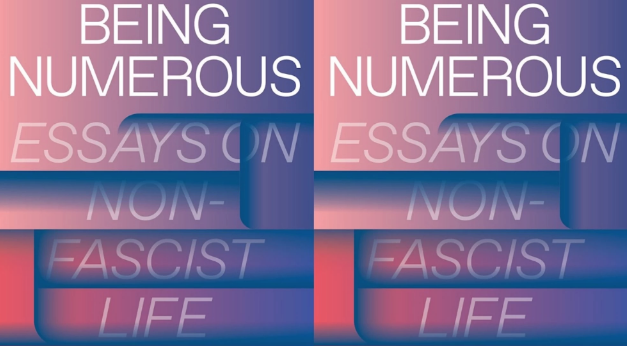
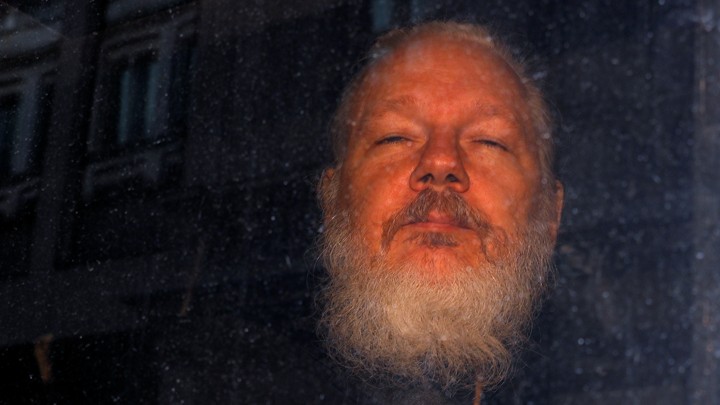
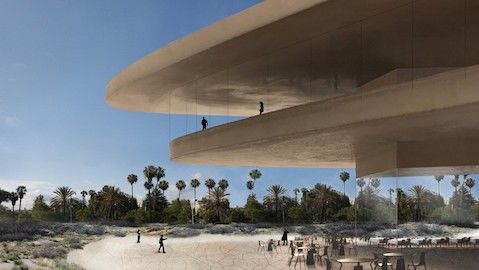
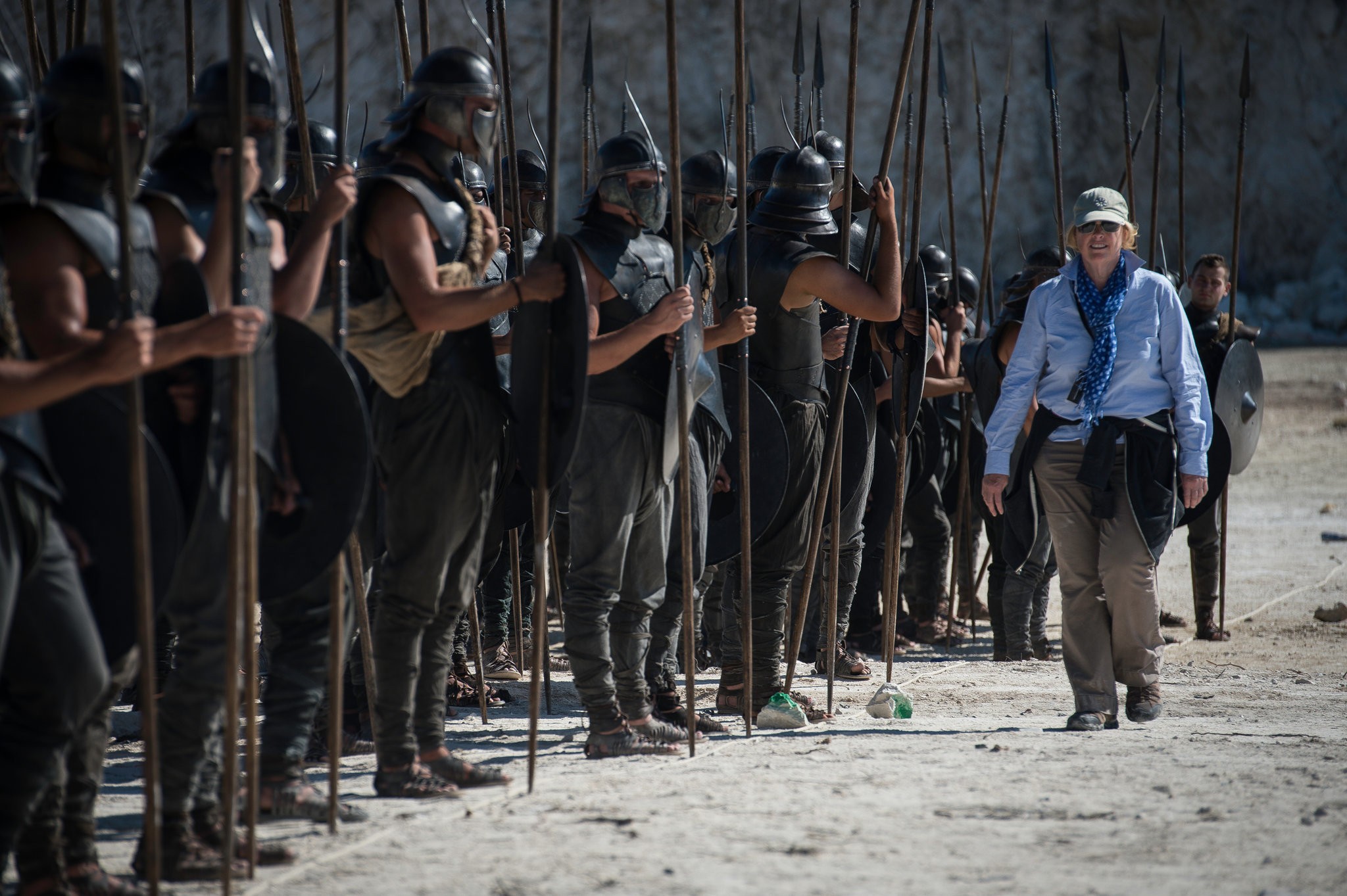
My choice of links for this week’s roundup run the gamut, from a look at the high-stakes world of academic hiring, and the continued politics of art donors and the art world’s response, to tactics to ward off fascist thought when you see those around you being brainwashed (the Atlantic article was eye-opening indeed!). I also include a great editorial on the arrest of Julian Assange, a look at the controversy over LACMA’s new building (I love a good fight over built space!), and a peek at the recent Art Basel Hong Kong. And since Game of Thrones is back on our screens, I round out the links with a look at one of the production crew whose job it is to make visible and visual what is in the show script. Enjoy the links and have a great week!
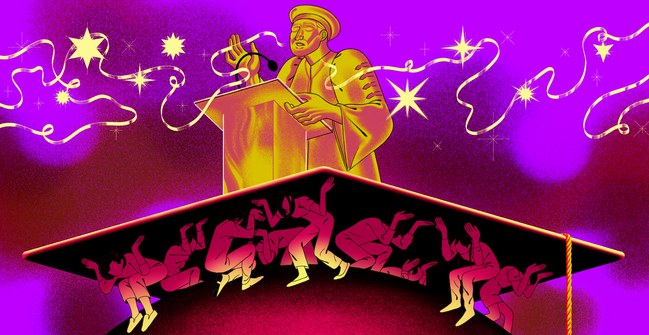
The Professor and The Adjunct
Artist Hito Steyerl Made an App That Removes the Sackler Name From the Serpentine Sackler’s Facade
What Does It Mean to Live a Non-Fascist Life?
What I’ve Learned From Collecting Stories of People Whose Loved Ones Were Transformed by Fox News
Julian Assange Got What He Deserved
LACMA: Suicide by Architecture
‘Game of Thrones’: Meet the Woman Who Is the ‘Best Thing That Ever Happened to the Show’ In Praise of Public Libraries
In Praise of Public Libraries
Art Makes Us | Celebrating Artistic Achievement, Howie Tsui: Retainers of Anarchy (VIDEO)
Art Basel Hong Kong 2019 | Highlights (VIDEO)
The Professor and The Adjunct Artist Hito Steyerl Made an App That Removes the Sackler Name From the Serpentine Sackler’s Facade What Does It Mean to Live a Non-Fascist Life? What I’ve Learned From Collecting Stories of People Whose Loved Ones Were Transformed by Fox News Julian Assange Got What He Deserved LACMA: Suicide by Architecture ‘Game of Thrones’: Meet the Woman Who Is the ‘Best Thing That Ever Happened to the Show’ In Praise of Public Libraries In Praise of Public Libraries Art Makes Us | Celebrating Artistic Achievement, Howie Tsui: Retainers of Anarchy (VIDEO) Art Basel Hong Kong 2019 | Highlights (VIDEO)
  • The Professor and The Adjunct

  • Artist Hito Steyerl Made an App That Removes the Sackler Name From the Serpentine Sackler’s Facade

  • What Does It Mean to Live a Non-Fascist Life?

  • What I’ve Learned From Collecting Stories of People Whose Loved Ones Were Transformed by Fox News

  • Julian Assange Got What He Deserved

  • LACMA: Suicide by Architecture

  • ‘Game of Thrones’: Meet the Woman Who Is the ‘Best Thing That Ever Happened to the Show’

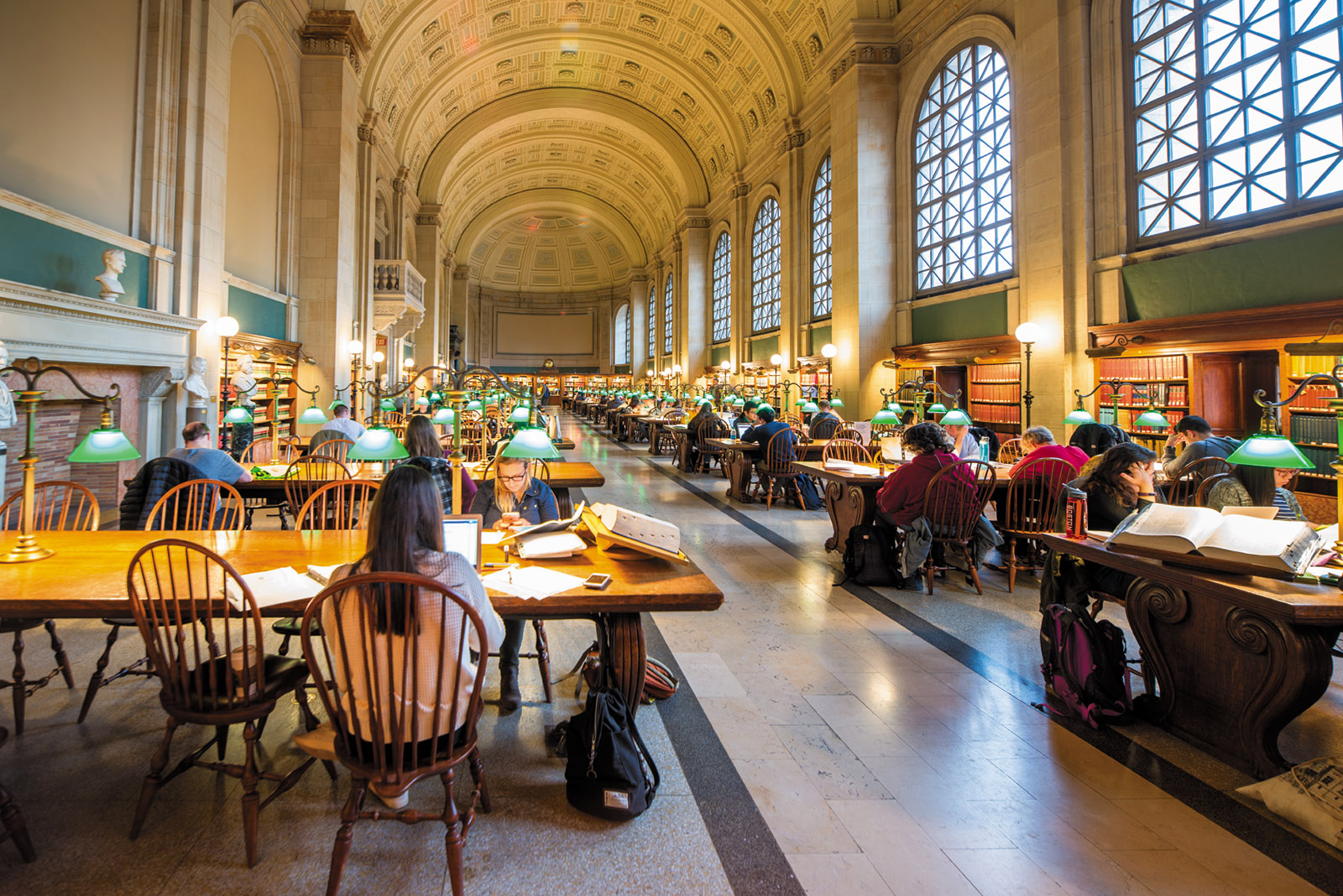
  • In Praise of Public Libraries

  • Art Makes Us | Celebrating Artistic Achievement, Howie Tsui: Retainers of Anarchy (VIDEO)
  • Art Basel Hong Kong 2019 | Highlights (VIDEO)

Comment
Christo, “The Arc de Triumph, Wrapped,” Project for Paris, Place de l’Etoile, Charles de Gaulle. Collage 2018 in two parts, 30 1/2 x 26 1/4” and 30 1/2 x 12″ (77.5 x 66.7 cm and 77.5 x 30.5 cm), Pencil, charcoal, wax crayon, fabric, twine, enamel pa…

Christo, “The Arc de Triumph, Wrapped,” Project for Paris, Place de l’Etoile, Charles de Gaulle. Collage 2018 in two parts, 30 1/2 x 26 1/4” and 30 1/2 x 12″ (77.5 x 66.7 cm and 77.5 x 30.5 cm), Pencil, charcoal, wax crayon, fabric, twine, enamel paint, photograph by Wolfgang Volz, hand-drawn map and tape (Photo: André Grossmann © 2018 Christo).

Weekly Flipboard Links and Media Roundup

April 07, 2019

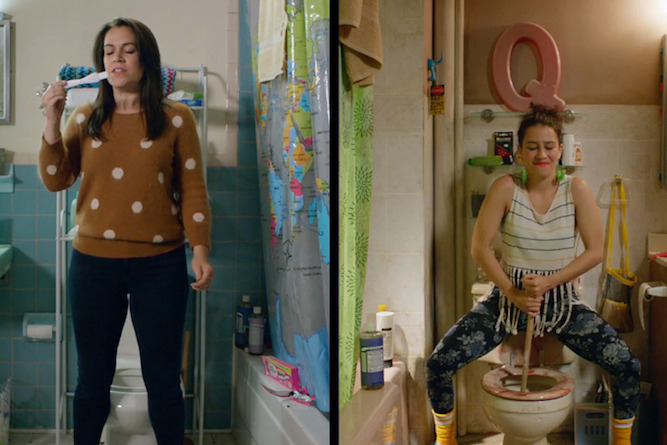
Final classes and the KPU BFA Grad Exhibition wrapped up this past Friday, and now all that is left is next week’s exams and grading before I take a pause and head to Las Vegas, Nevada for the rest of April for a research fellowship at UNLV (more on that in a post later this week). This Sunday’s roundup includes a great mix of content, and I start it off with a radio feature from the CBC that looks at the emergence of artificial intelligence in the art world. I finished up teaching a New Media in Art seminar this term, and one of the student groups focused on this topic for their research. It was a fascinating project, and this interview delves deeper into some of the stakes of this emerging technology. I was also delighted to see that Christo’s plans to wrap the Arc de Triomphe will be realized next year, and I included a link with more details as I think it will likely be one of the most fascinating art projects of the year! Other links include a reflective review of the final season of Broad City, and a podcast discussion of the new horror film Us by Jordan Peele, a look at how Brexit is shaping cultural conversations in the UK, a look at the women of the Bauhaus in the year of the movements 100th anniversary, a look at Nam June Paik at the Whitney, and two videos featuring key moments in the history of women’s art and fashion. Finally, I include an intriguing interview with the founder of Medium: Tings, Stephanie Baptist, a gallery and project space in Brooklyn run out of an apartment. I love hearing about DIY spaces like this and hope it might inspire some of you out there to think about new and out-of-the-box ways to exhibit and promote local artists. Happy Sunday and happy studying to those of you working on those final exams and projects!      

Artist shares credit with AI 'collaborator' (RADIO)
Christo to wrap the Arc de Triomphe in Paris
In Pictures: The Forgotten Women of the Bauhaus
How Broad City Encouraged Women to Be Their Grossest, Truest Selves
The Woman Who Opened a Gallery in Her Living Room: Meet Stephanie Baptist.
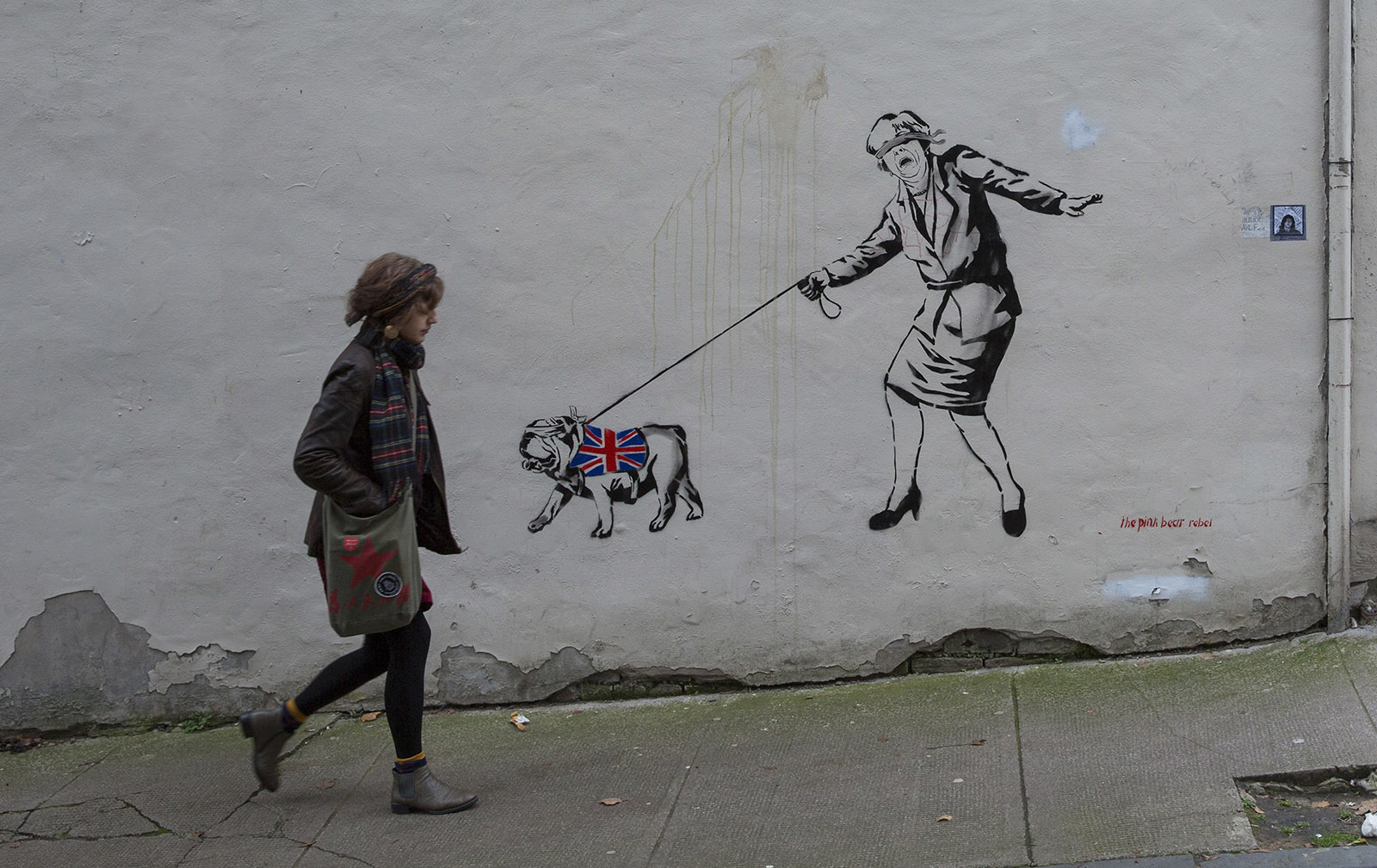
Not Another Brexit Jeremiad
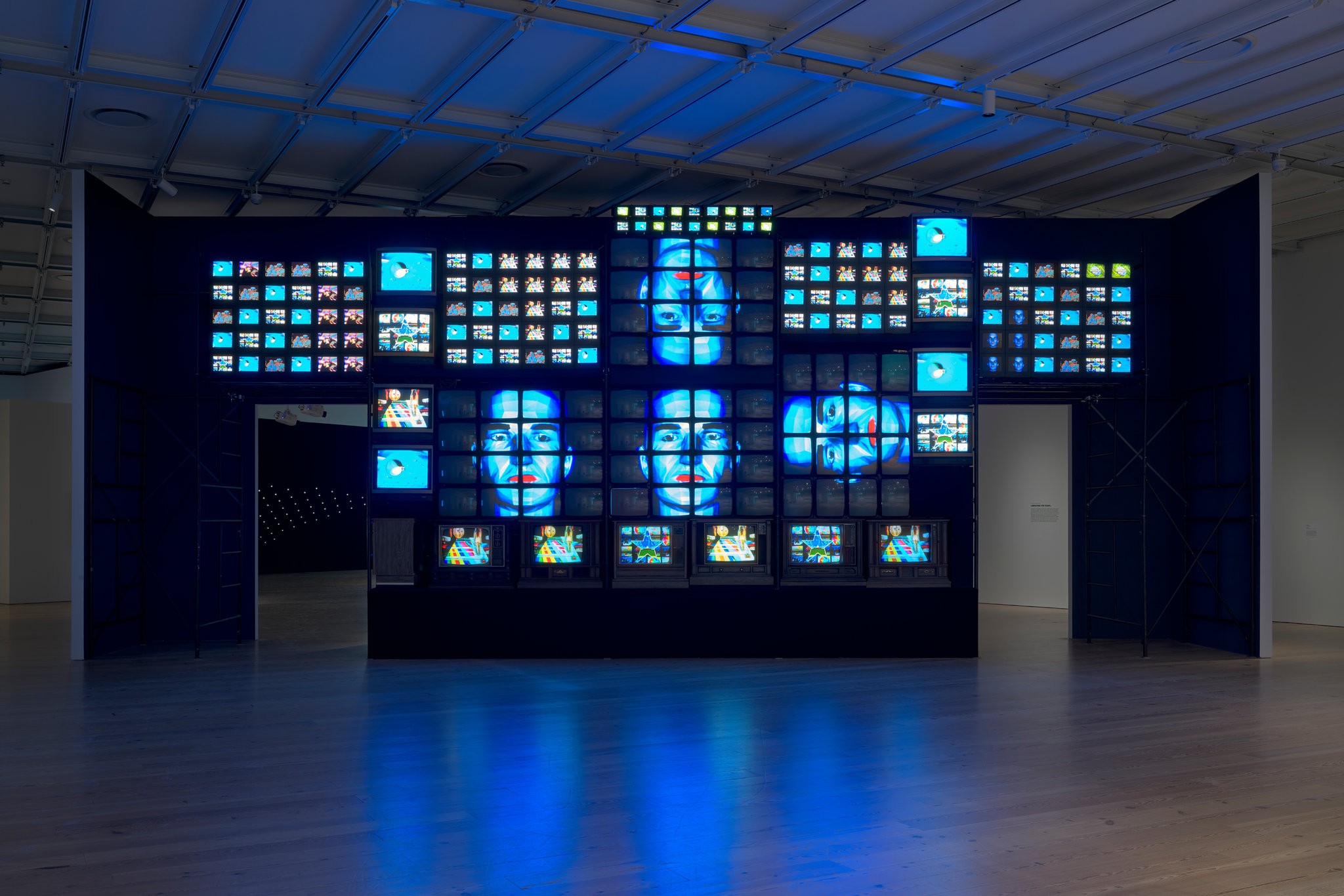
Nam June Paik at the Whitney: A Work of Dizzying Complexity
What Us Has to Say About the Horror Genre (PODCAST)
Dorothea Tanning – Pushing the Boundaries of Surrealism | TateShots (VIDEO)
Fashion and alienation in 1960s New York, Marisol's The Party (VIDEO)
Artist shares credit with AI 'collaborator' (RADIO) Christo to wrap the Arc de Triomphe in Paris In Pictures: The Forgotten Women of the Bauhaus How Broad City Encouraged Women to Be Their Grossest, Truest Selves The Woman Who Opened a Gallery in Her Living Room: Meet Stephanie Baptist. Not Another Brexit Jeremiad Nam June Paik at the Whitney: A Work of Dizzying Complexity What Us Has to Say About the Horror Genre (PODCAST) Dorothea Tanning – Pushing the Boundaries of Surrealism | TateShots (VIDEO) Fashion and alienation in 1960s New York, Marisol's The Party (VIDEO)
  • Artist shares credit with AI 'collaborator' (RADIO)

  • Christo to wrap the Arc de Triomphe in Paris

  • In Pictures: The Forgotten Women of the Bauhaus

  • How Broad City Encouraged Women to Be Their Grossest, Truest Selves

  • The Woman Who Opened a Gallery in Her Living Room: Meet Stephanie Baptist.

  • Not Another Brexit Jeremiad

  • Nam June Paik at the Whitney: A Work of Dizzying Complexity

  • What Us Has to Say About the Horror Genre (PODCAST)

  • Dorothea Tanning – Pushing the Boundaries of Surrealism | TateShots (VIDEO)

  • Fashion and alienation in 1960s New York, Marisol's The Party (VIDEO)


Comment
Francis Picabia, The Spring (1912)

Francis Picabia, The Spring (1912)

Weekly Flipboard Links and Media Roundup

March 24, 2019

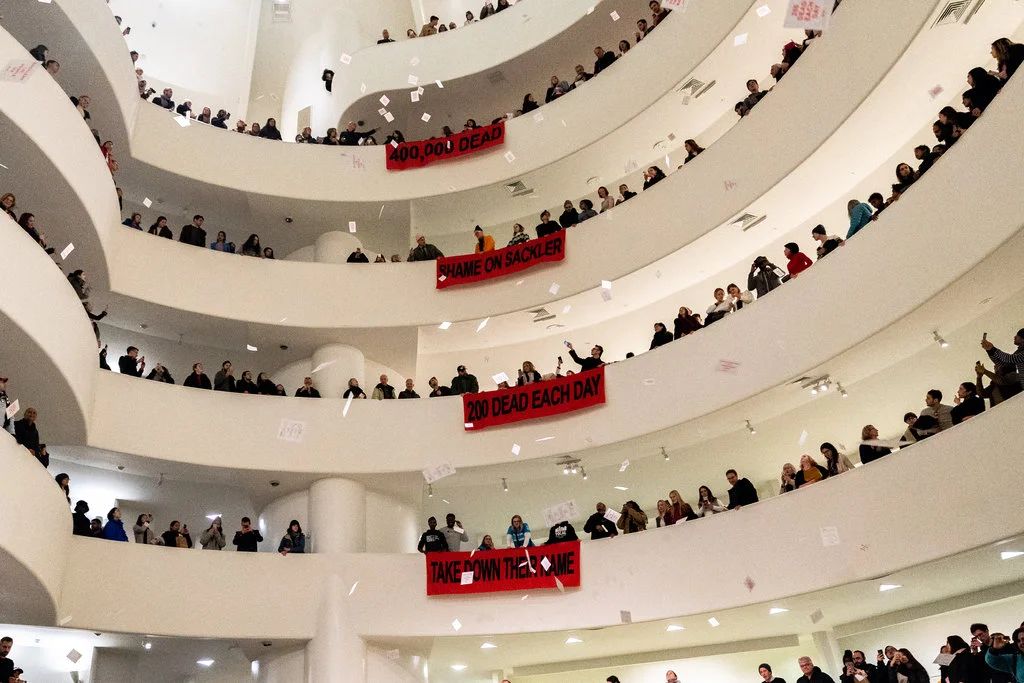
With the end of the semester around the corner and spring in the air, I have been casting my attention forward to planning for the London/Venice Biennale Field School. To that end, this week has been full of coverage on the final list of confirmed participants for the much- anticipated art event of the year, and also to the swirling controversies, linked to discussions around spending and compensation for artists. I have included among my weekly links a report discussing this issue, along with key developments at the Guggenheim and Whitney (linked to further museums facing similar protests) in the face of problematic donors and board members linked to art institutions. I round out my picks with a review of a new book discussing painting in the digital age, a look at Kara Walker as new pick for a commission at the Tate Modern, an unearthed interview with Carolee Schneemann, a close reading of a single painting by Jerry Saltz, a review of Jordan Peele’s latest film Us and two fantastic video picks offering a glimpse at a new exhibition on art and technology at MoMA and a studio visit with Frank Stella. Enjoy the content and breath in the fresh spring air!

Biennials Are Proliferating Worldwide. There’s Just One Problem: Nobody Wants to Pay For Them
How Painting Survives in the Digital Era
Kara Walker chosen for Tate Modern's Turbine Hall showcase
Revisiting Carolee Schneemann’s Candor and Intellect in a Previously Unpublished Interview
The Painting Our Art Critic Can’t Stop Thinking About
Guggenheim Museum Says It Won’t Accept Gifts From Sackler Family
 ‘We Don’t Want Dirty Money’: Decolonize This Place Protests Warren B. Kanders at Whitney Again, This Time in Warhol Retrospective
‘We Don’t Want Dirty Money’: Decolonize This Place Protests Warren B. Kanders at Whitney Again, This Time in Warhol Retrospective
Fearful Symmetry: Amy Taubin on Jordan Peele’s Us (2019)
New Order: Art and Technology in the Twenty-First Century | MoMA EXHIBITION (VIDEO)
Studio visit with Frank Stella | Christie's (VIDEO)
Biennials Are Proliferating Worldwide. There’s Just One Problem: Nobody Wants to Pay For Them How Painting Survives in the Digital Era Kara Walker chosen for Tate Modern's Turbine Hall showcase Revisiting Carolee Schneemann’s Candor and Intellect in a Previously Unpublished Interview The Painting Our Art Critic Can’t Stop Thinking About Guggenheim Museum Says It Won’t Accept Gifts From Sackler Family  ‘We Don’t Want Dirty Money’: Decolonize This Place Protests Warren B. Kanders at Whitney Again, This Time in Warhol Retrospective Fearful Symmetry: Amy Taubin on Jordan Peele’s Us (2019) New Order: Art and Technology in the Twenty-First Century | MoMA EXHIBITION (VIDEO) Studio visit with Frank Stella | Christie's (VIDEO)
  • Biennials Are Proliferating Worldwide. There’s Just One Problem: Nobody Wants to Pay For Them

  • How Painting Survives in the Digital Era

  • Kara Walker chosen for Tate Modern's Turbine Hall showcase

  • Revisiting Carolee Schneemann’s Candor and Intellect in a Previously Unpublished Interview

  • The Painting Our Art Critic Can’t Stop Thinking About

  • Guggenheim Museum Says It Won’t Accept Gifts From Sackler Family

  •  ‘We Don’t Want Dirty Money’: Decolonize This Place Protests Warren B. Kanders at Whitney Again, This Time in Warhol Retrospective

  • Fearful Symmetry: Amy Taubin on Jordan Peele’s Us (2019)

  • New Order: Art and Technology in the Twenty-First Century | MoMA EXHIBITION (VIDEO)

  • Studio visit with Frank Stella | Christie's (VIDEO)

Comment
Cheryl Donegan, Butt Print, Kiss My Royal Irish Ass, First Performance July 3, 1993 (1993).

Cheryl Donegan, Butt Print, Kiss My Royal Irish Ass, First Performance July 3, 1993 (1993).

Weekly Flipboard Links and Media Roundup

March 17, 2019

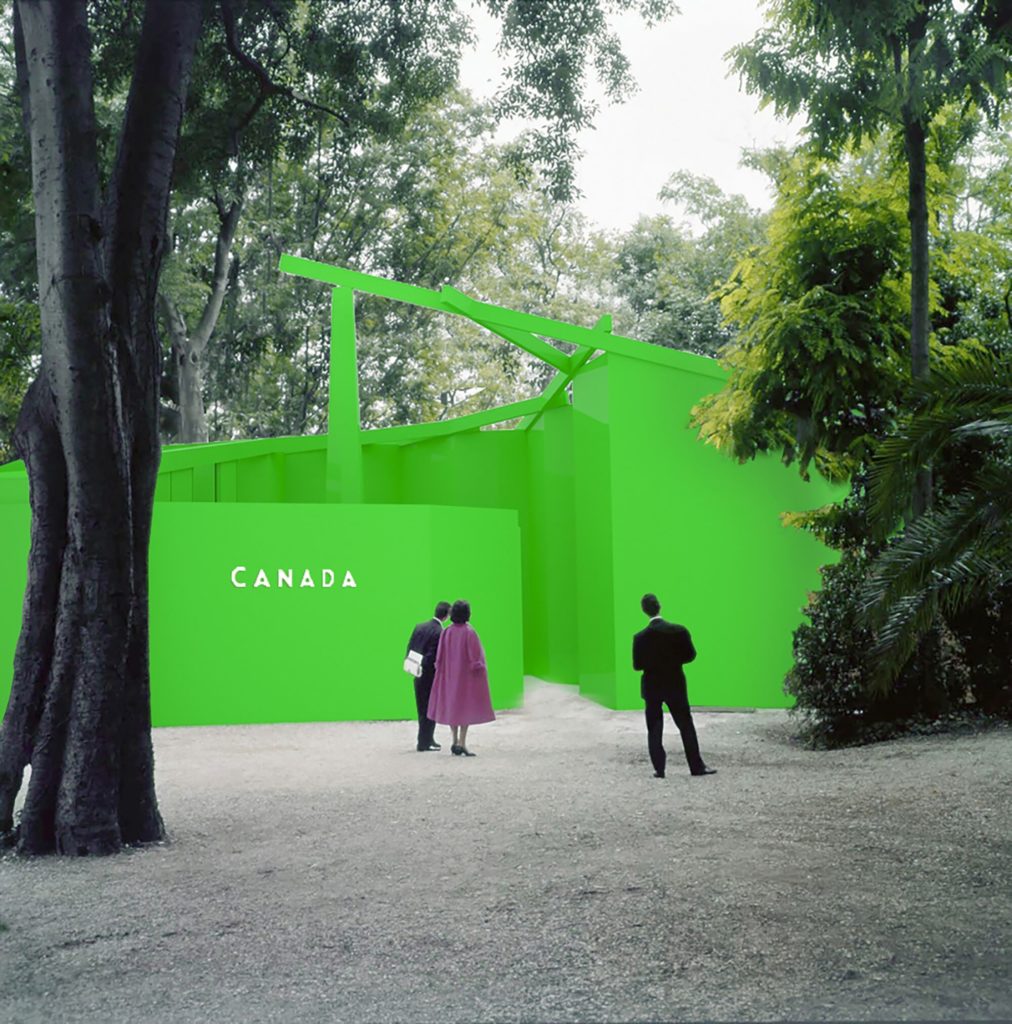
Happy St. Patrick’s Day! Springtime is finally here and my roundup this week reflects a very eclectic week of art news ranging from the announcement of the Canadian representatives to next year’s Venice Biennale of architecture, to a peek at New York’s Spring/Break Art Show, to the sad news of curator Okwui Enwezor’s passing. Also, it was very difficult to ignore the college admission cheating scandal, and the fallout (which I assume we will be talking about for years to come). I’ve also been paying attention this week to the auction of George Michael’s art collection— many will recall his death on Christmas Day in 2016. He was a big art collector, and the auction of his work told the story of his tastes and the support he showed emerging artist— the Youtube click I provide contains the full footage of the event. I’ve also included a fantastic review of the Hilma af klint retrospective exhibition currently running at the Guggenheim in New York. It was one of several exhibitions I attended on my visit to the city a few week’s ago, and the reviewer does a wonderful job reflecting on the painter’s complicated legacy. Finally, I round out my picks with a Guardian article exploring the turn to sadness as a theme in current hip hop music, an examination of “experience” as the new goal of many museums (also a research area I have been delving into a lot for the past few years), and a cautionary interview with one of the inventor’s of the Internet about how the rise of hate speech on the web has come about. As all of us saw with the horrific death of 49 people in the mosque shooting in New Zealand this past week, we all have an obligation to speak up and help bring continuing awareness to subcultures of intolerance and xenophobia globally.

Cheryl Donegan in action, creating Butt Print, Kiss My Royal Irish Ass (1993)

Cheryl Donegan in action, creating Butt Print, Kiss My Royal Irish Ass (1993)

As Museums Fall in Love With ‘Experiences,’ Their Core Missions Face Redefinition
Painting the Beyond
Painting the Beyond
Canada’s Next Venice Biennale Architecture Reps Announced
Inventor of the web says the web needs to be fixed, and fast
The Great College-Admissions Scam and the Real Cost of Entry
Okwui Enwezor, Nigerian Art Historian and Venice Biennale Curator Who Was a Force for Non-Western Art, Has Died at 55
The rise of sad rap: how hip-hop got the blues
Issac Mizrahi on His New Memoir (PODCAST)
Spring/Break Art Show New York (VIDEO)
Christie’s Live Stream | The George Michael Collection, London | 14 March 2019 | (VIDEO)
As Museums Fall in Love With ‘Experiences,’ Their Core Missions Face Redefinition Painting the Beyond Canada’s Next Venice Biennale Architecture Reps Announced Inventor of the web says the web needs to be fixed, and fast The Great College-Admissions Scam and the Real Cost of Entry Okwui Enwezor, Nigerian Art Historian and Venice Biennale Curator Who Was a Force for Non-Western Art, Has Died at 55 The rise of sad rap: how hip-hop got the blues Issac Mizrahi on His New Memoir (PODCAST) Spring/Break Art Show New York (VIDEO) Christie’s Live Stream | The George Michael Collection, London | 14 March 2019 | (VIDEO)
  • As Museums Fall in Love With ‘Experiences,’ Their Core Missions Face Redefinition

  • Painting the Beyond

  • Canada’s Next Venice Biennale Architecture Reps Announced

  • Inventor of the web says the web needs to be fixed, and fast

  • The Great College-Admissions Scam and the Real Cost of Entry

  • Okwui Enwezor, Nigerian Art Historian and Venice Biennale Curator Who Was a Force for Non-Western Art, Has Died at 55

  • The rise of sad rap: how hip-hop got the blues

  • Issac Mizrahi on His New Memoir (PODCAST)

  • Spring/Break Art Show New York (VIDEO)

  • Christie’s Live Stream | The George Michael Collection, London | 14 March 2019 | (VIDEO)


Comment
The catalogue cover or Nicoletta Baumeister’s exhibition, In the Realm of Perception, features one of the artist’s many abstract paintings. As the exhibition website describes,”Nicoletta Baumeister uses her art to question the way we come to underst…

The catalogue cover or Nicoletta Baumeister’s exhibition, In the Realm of Perception, features one of the artist’s many abstract paintings. As the exhibition website describes,”Nicoletta Baumeister uses her art to question the way we come to understand the world around us. Through her exploratory practice, Baumeister's paintings generate a field of inquiry that connects with subjects such as psychology, philosophy, physics, and more. Bridging the gap between their subject and the viewer, each work questions the hierarchy of the visual world, referencing the deep connections shared between images, the senses, and the mind.”

Nicoletta Baumeister, "Lost In Transfer": What Does It Mean To Paint In A Digital World?

March 14, 2019

I had the pleasure of being commissioned by the Surrey Art Gallery to write a catalogue essay featuring artist Nicoletta Baumeister on the occasion of her exhibition, In the Realm of Perception, curated by Rhys Edwards and running Jan 19, 2019 - Mar 24, 2019. The essay evolved out of a long interview with Baumeister where we discussed her interest in human perception and commitment to painting as her medium of choice. We also touched on the use of irony and humour in her work, and how the turn to abstraction in painting suits her specific interest in exploring memory, experience, and notions of the real. The complete catalogue can now be purchased at a launch event being held tonight, March 14th, at the gallery at 7:00pm. You can also preview and download the beautifully illustrated publication online at this link or view it as a PDF below the text of my essay. All copyright for this essay belongs to the Surrey Art Gallery. Reprinted with permission.


Nicoletta Baumeister

“Lost In Transfer”

by Dorothy Barenscott

When we examine the world through a painted image, we are invited to perceive. It is through the act of perception that we come to discern, to recognize, to raise awareness, and to regard with attention. How and why and through what means a painting is created is seldom the focus. Instead, we are most often seduced by the talents of the painter, or the traditional mimetic function of the medium to represent some knowable reality or state of experience. But perhaps most of all, we are often seeking something authentic through the painted image, knowing that we are looking at a material object created by the hands of a human being. When Nicoletta Baumeister is asked what it means to be a painter in a digital world, she responds that for her the most valuable art is the one where somebody is thinking, experiencing, and discovering, not just replicating. Intuition and feeling, and trusting one’s own senses, are prioritized in her art practice. “Really good art,” explains Baumeister, “nurtures you.”

In today’s technologically accelerated and distracted screen culture—where the world of entertainment, news media, our family and friends, advertisers, and even the world of art, co-mingle visual environments— contemporary artists are challenged to employ conceptual strategies that reveal manifold mechanisms of representation and slippery notions of the real. Within this context, Baumeister’s desire to nurture her audience is driven by a passion to both raise awareness around the contingent and unfixed aspects of reality, but also to capture audience interest through the mechanisms of authentic human observation, memory, and attention. For Baumeister, the distinction between seeing, perceiving, and thinking is critical. This distinction, and apprehending what is lost in transfer between stages of experience and interpretation, are underlying currents of her art practice. In painting series such as “Seeing” (2002) and “Looking” (2003), which interrogate the nature of still life representation, to recent and multiple series of abstract paintings (2012-2017) categorized by titles such as Chaos and Order, Thinking, A Memory, and Pattern, Baumeister operates on the liminal margin between logic and intuition.

Baumeister’s focus is both timely and relevant and reflects a world that is at a critical stage of reassessment following the social, cultural, political, and economic impacts of globalizing technologies. In “Against the Novelty of New Media: The Resuscitation of the Authentic,” art historian Erica Balsom argues how the art world in recent years has rehabilitated a return to the referent and investment in human presence as a reaction to what is effaced in the newly emerging techno-environment: “The resuscitation of the authentic is… a persistent reminder that there is both a danger and a value in the rejection of things as they are.”[1] For Baumeister, exploring the nature of perception begins with her early years as a figurative painter, where the careful and relentless study of objects yielded critical moments of observation. “I was painting a flower long enough to see it move” she describes, and with this awareness grew the revelation that no matter how much she attempted to isolate reality into one discrete picture, the full scope of her perception fell short in the fixed image. Baumeister’s personal observations as an artist working in the studio also extended to the world around her. In the years following her art training at the Nova Scotia College of Art and Design (from 1978 to 1983), Baumeister describes one transformative episode in 1985 when she travelled from Canada to Europe at the same time as the Air India Flight 182 bombing. As she attempted to make sense of the tragic event, she picked up multiple newspapers, all with different accounts, narratives, and analyses of what had transpired. “What struck me,” she recounts, “was that I was seeing objective reporting, but all the reporting had something different, and I was left grasping what was real and objective.”

For the past century and a half, painting has been at the center of a struggle over representational power of precisely the kind Baumeister is invested in. A firm underpinning to Baumeister’s approach—exploring the disconnection between objective reality and subjective experience—connects her to a rich history of avant-garde artists who explored the possibilities, challenges, and limits to traditional painting and drawing. The turn to increasing abstraction and expressionism challenged the mimetic tradition of picture composition associated with painting from the Renaissance to the early nineteenth century. This accompanied seismic shifts in the twentieth century as a result of new media and industrializing technologies. Free from rules and predictable referents connected to the long history of realist painting, the move towards abstraction and expressionism allowed a new generation of artists, such as those associated with the Fauves, Cubists, Russian Suprematists, German and Austrian Expressionists, and American Abstract Expressionists, to channel pure will and explore dimensionality and a range of human sensorium in new and unexpected ways. In terms of these formal experiments, Baumeister strongly identifies with the colour palette and sinuous lines of Viennese Secession painter Egon Schiele, for example. Traces of Schiele’s influence can be found in many of her watercolour paintings such as Like the Wind Knows the Tree (1994), while her love for the freely-scribbled, playful, graffiti-like works of Cy Twombly emerge in her “Pattern” series of abstract acrylics (2012-2015). Drawing, in particular, is the connective tissue in Baumeister’s art practice, authenticating and grounding the external experience of the world through mark-making.

Nicoletta Baumeister, One Of A Kind? (2017) offers an important meditation on questions of the original and even a reassessment of how Walter Benjamin’s concept of the aura—the uniqueness and aesthetic experience associated with being in the presenc…

Nicoletta Baumeister, One Of A Kind? (2017) offers an important meditation on questions of the original and even a reassessment of how Walter Benjamin’s concept of the aura—the uniqueness and aesthetic experience associated with being in the presence of an original work of art—can be recast in a twenty-first century world.

In terms of content, Baumeister finds inspiration in another related group of twentieth century avant-garde artists—the Dada and Surrealists— who worked to disrupt the representation of stable objects through strategies of satire, irreverence, and the upending of expectations around art and the role of the artist. Baumeister references, for example, Berlin Dada artist George Grosz, whose drawings and paintings ruthlessly critiqued German society as it gave way to Nazi rule. Not surprisingly, Baumeister aligns her own political and social interests as an artist with that of Grosz, encouraging her audience to pay closer attention, and, in her own words, “read the fine print” in a world that is not always as it appears. Baumeister also raises the importance of Belgian Surrealist artist René Magritte, whose famous work The Treachery of Images (Ceci n’est pas une pipe) (1929) reveals the ever-present chasm between language, image, and meaning. Magritte’s proposition finds deep resonance in several of Baumeister’s works, perhaps most poignantly in her watercolour painting Avalanche (1997) which re-presents and playfully disassembles the semiotics of a tourist postcard.

Turning closer to home, Baumeister is well situated in a city that often prizes a more conceptual approach to art. And while as a painter she has not taken up the camera, motion pictures, or the screen as directly as most artists associated with Vancouver photo-conceptualism, Baumeister is closely aligned with many concerns and interests among a range of Lower Mainland artists through explorations into the crisis of representation and the desire to subvert signs associated with the landscape and human environment. Baumeister’s featured art work for the exhibition, One of a Kind? (2017), offers one such potent example. Arranged as a large-scale piece made up of fourteen digitally printed canvases surrounding an original oil painting, the work becomes apparent to the viewer upon closer observation when it is realized that the content printed on each of the canvasses is a digital copy of the oil painting. As Baumeister explains, the subject of the original painting—dahlia flowers — was connected both to her online identity as a floral painter (the paintings she sells to a wide public to earn a living), and to a subject matter that she had learned to reproduce through many years of repetitive composition and multi-media formats (graphite, watercolour, acrylics, and oil). Repetition and the copy were foremost in her mind when she conceived the piece, but also, as she describes, “the problem of authenticating what occurs in the real world.” Sharing examples with me, ranging from the problem of locating the original source of honey (sometimes marketed as originating from places that don’t actually have honey bees), to the difficulty of differentiating synthetic from naturally made fabrics, Baumeister’s intention was to replicate a similar process in One of a Kind?. Audiences would be confronted with the question of what changed and/or was lost in the move from her original handmade painting to the enlarged digital facsimile made by a machine.

One of a Kind? offers an important meditation on questions of the original and even a reassessment of how Walter Benjamin’s concept of the aura—the uniqueness and aesthetic experience associated with being in the presence of an original work of art—can be recast in a twenty-first century world.[2] As Balsom argues, “understanding what counts as ‘art after the internet’ might necessitate expanding one’s purview far beyond artworks produced through digital means.”[3] At the same time, the work is deeply ironic, evoking questions and even cynical reflections on an art world and emerging generation of artists that appear to be losing something in a world where scanning, feeds, and fake news supplant deeper reading, visual literacy, and historical perspective. As Baumeister and I discuss at some length, there is a sense that something deeper, more embodied, and truly lived and experienced, is desired by many. “Time is the only commodity you have,” Baumeister offers, “and it’s how you spend it that is so important. I keep watching these young kids scanning as opposed to living; and I know enough about perception to know that the things we take in are what we ultimately use to create structures and put all other information onto. And if the structure is already filtered through someone else’s lens, and not real, as in experienced through your own senses, how do you authenticate something?” Indeed, the question of how and to what ends art will be created, produced, and disseminated in the future appears closely tied to similar crises around representation, time, and mechanisms of industrialization experienced over a century ago. This time, however, the stakes appear much higher, with spatial and temporal dislocations fundamentally recasting the world of human perception. As internet artist Brad Troemel argues in “Art After Social Media,” “…for the generation of artists coming of age today, it’s the high-volume, high paced endeavour of social media’s attention economy that mimics the digital economy of stock trading… For these artists, art is no longer merely traded like a stock—it is created like one too.”[4]

What can painting teach us today? This is one of the enduring questions we are left with when encountering In the Realm of Perception. And while it is true that painting has faced pronouncements of its imminent death many times over the past half century, there is something clearly timely and deeply significant about studying the nature of perception through this particular medium.[5] As Art historian David Joselit has suggested, pointing to the “transitive” nature of our world today, a world in which digital networks routinely translate cultural artifacts into code, there is something to behold and learn when a body of painting “is submitted to infinite dislocations, fragmentations, and degradations.”[6] Clearly, as Baumeister observes, there are many undiscovered connections yet to be made and the capacity of art to nurture individuals goes hand in hand with human connection, “For me, my analog world is real to me, it comes from my senses, and I’m certain that is how we authenticate and ground our external experience of our world… I’m always bringing it back to that when I’m painting. I want to create a map of sorts, of something that I feel, I see, I hear, I think, and try to distill the proper components so that you could read the same thing, if you wanted to, or create a paradigm where the relationship between the items creates a meaning.”

[1] Erika Balsom, “Against the Novelty of New Media: The Resuscitation of the Authentic,” in You Are Here—Art After the Internet, ed. Omar Kholeif (Manchester, HOME and SPACE Press, 2017), 76.

[2] See Walter Benjamin, “The Work of Art in the Age of Mechanical Reproduction,” in Illuminations ed. Hannah Arendt. New York, Schocken, 1969, 217-259.

[3] Balsom.

[4] Brad Troemel, “Art After Social Media,” You Are Here—Art After the Internet, ed. Omar Kholeif (Manchester, HOME and SPACE Press, 2017), 42.

[5] See for example Douglas Crimp, “There is No Final Picture: A Conversation Between Philip Kaiser and Douglas Crimp,” in Painting on the Move, ed. Bernhard Mendes et al (Basel: Kunstmuseum Basel and Schwabe, 2002), 171-179.

[6] David Joselit, “Painting Beside Itself,” October vol. 130 (Fall, 2009): 134.]

Comment
Newer / Older
Back to Top
Screenshot 2018-02-05 20.48.17.png

© Dorothy Barenscott, 2010-2025