• Fall 2025
  • Blog
  • Resources
  • Field School
  • Students
  • Feedly
  • About
Menu

Avant-Guardian Musings

  • Fall 2025
  • Blog
  • Resources
  • Field School
  • Students
  • Feedly
  • About
large monogram_2018-02-01_22-31-07.v1 (1).png
“Art is an outlet toward regions which are not ruled by time and space”
— Marcel Duchamp

Avant-Guardian Musings is a curated space of ideas and information, resources, reviews and readings for undergraduate and graduate students studying modern and contemporary art history and visual art theory, film and photography studies, and the expanding field of visual culture and screen studies. For students currently enrolled in my courses or the field school, the blog and associated social media links also serve as a place of reflection and an extension of the ideas and visual material raised in lecture and seminar discussion.

Blog RSS

Screenshot 2018-02-05 20.56.45.png
Blog
KPU FINE ARTS PARIS + VENICE BIENNALE FIELD SCHOOL (MAY/JUNE 2026)
about 2 months ago
"No Fun City" Vancouver: Exploring Emotions of Detachment in Palermo, Sicily at AISU
about 4 months ago
Making Sense of Art in the Age of Machine Learning—A Suggested Reading List
about 5 months ago
From the Archives | How (And Why) To Take Excellent Lecture Notes
about a year ago
Weekly Musings + Round Up... And A Few More Things
about 2 years ago

Screenshot 2018-02-05 20.56.51.png
As we start the week in a storm of activity, new beginnings, and global uncertainty, I am grounded in my word for 2026– INTENTIONAL 🩶— “done with purpose, willingness, deliberation, and consciousness.” I see this word represe
As we start the week in a storm of activity, new beginnings, and global uncertainty, I am grounded in my word for 2026– INTENTIONAL 🩶— “done with purpose, willingness, deliberation, and consciousness.” I see this word represented in the symbol of the heart, and for this reason and many others both personal and professional, I will be bringing this much needed energy to my year. The power of a yearly word is transformative. I started in 2019 and my words have guided and carried me through some important moments and life decisions. If you haven’t already, give it a try, but remember to choose very wisely ☺️ “Radiate” 2025 ✨ “Maintain” 2024 💪🏻 “Refine“ 2023 🙌🏻 “Acta non verba” 2022 🤐 “Audacious” 2021 💃🏼 “Fearless” 2020 😛 “Unapologetic” 2019 💅🏻 #happynewyear #wordoftheyear #intentional #monicavinader @monicavinader
Polar bear ride! 🐻‍❄️🏍️💨🏍️ First motorcycle outing of 2026 in the books. A balmy 4C 🥶We love you Vancouver— good to be home 💙😊Wishing everyone a very Happy New Year! 🥳 
.
.
.
#happynewyear #vancouver #motorcycle #motorcyclesofinstag
Polar bear ride! 🐻‍❄️🏍️💨🏍️ First motorcycle outing of 2026 in the books. A balmy 4C 🥶We love you Vancouver— good to be home 💙😊Wishing everyone a very Happy New Year! 🥳 . . . #happynewyear #vancouver #motorcycle #motorcyclesofinstagram #motocouple #husqvarna #vitpilen401 #svartpilen401 #motogirl #motogirls
2025... where did it go?! 😂 Like a ray of light, I was very much guided by my chosen word of the year “radiate”— to shine and send out beams of energy— and this allowed for a great deal of adventure, new experiences, ideas an
2025... where did it go?! 😂 Like a ray of light, I was very much guided by my chosen word of the year “radiate”— to shine and send out beams of energy— and this allowed for a great deal of adventure, new experiences, ideas and people and opportunities to flow back into my life. Above all else, I found myself very much on the move all year! Travel took me from New York to Lausanne, Paris to Seoul, and Palermo to Maui, while my motorcycling stayed more on the road and less on the track as Brian and I balanced our time, energy, and commitments. But as always, we found every spare moment to prioritize this shared passion and we hope to find a way back to the track in 2026. Professionally, the year was... A LOT... and highlighted by many new research partnerships, conferences, workshops, writing projects, some failed plans and sharp detours, but also the planting of new seeds for future ventures. In the classroom, AI brought many new challenges and opportunities to rethink the purpose of my teaching and courses, but overall I was inspired and at times surprised by what my students were able to accomplish with the new assessment models I put into place. All of this technological change remains very much a work in progress for academics, and I prefer to remain optimistic that the artists I work with will find a way to maintain their voice and vision in it all. The historian in me knows this to be true. Personally, I connected more to my heart and intuition in 2025, listening to that inner voice to guide many key decisions. Brian and I also kept up a decent health and fitness regime that had us energized and aiming for consistency to match our midlife pace. Use it or lose it is a reality in your 50s!!! Sending wishes of peace and love and a very Happy New Year to all! May your 2026 be filled with fun, awe, purpose, and good health and much happiness. Remember to be good to yourself so you can be good to others. I’m still working carefully on my 2026 word… but whatever it is, I know it will be the right one ❤️ . . . #happynewyear #yearinreview2025 #wordoftheyear #motorcyclelife #arthistorianlife
Resting, dreaming, and plotting the year ahead 💙✨😘
.
.
.
#maui #hawaii #vacationmode #newyear #planning
Resting, dreaming, and plotting the year ahead 💙✨😘 . . . #maui #hawaii #vacationmode #newyear #planning
Riding and chasing sunsets across Maui ✨💙🌺🌴🧡
.
.
.
#maui #hawaii #motorcycle #motorcyclesofinstagram #motogirl #vacationmode #sunsets
Riding and chasing sunsets across Maui ✨💙🌺🌴🧡 . . . #maui #hawaii #motorcycle #motorcyclesofinstagram #motogirl #vacationmode #sunsets

Screenshot 2018-02-05 20.57.02.png
  • November 2025 (1)
  • September 2025 (1)
  • August 2025 (1)
  • September 2024 (1)
  • February 2023 (1)
  • January 2023 (3)
  • August 2022 (1)
  • March 2022 (1)
  • February 2022 (3)
  • January 2022 (4)
  • November 2021 (2)
  • October 2021 (3)
  • September 2021 (3)
  • July 2021 (2)
  • June 2021 (1)
  • May 2021 (3)
  • April 2021 (3)
  • March 2021 (3)
  • February 2021 (4)
  • January 2021 (5)
  • December 2020 (3)
  • November 2020 (6)
  • October 2020 (4)
  • September 2020 (1)
  • July 2020 (1)
  • June 2020 (4)
  • May 2020 (9)
  • April 2020 (5)
  • December 2019 (2)
  • November 2019 (5)
  • October 2019 (3)
  • September 2019 (1)
  • July 2019 (6)
  • June 2019 (19)
  • April 2019 (2)
  • March 2019 (5)
  • September 2018 (2)
  • July 2018 (1)
  • June 2018 (4)
  • May 2018 (2)
  • April 2018 (5)
  • March 2018 (5)
  • February 2018 (8)
  • January 2018 (3)
  • December 2017 (4)
  • November 2017 (5)
  • October 2017 (7)
  • September 2017 (3)
  • July 2017 (6)
  • June 2017 (15)
  • April 2017 (2)
  • March 2017 (3)
  • February 2017 (1)
  • January 2017 (2)
  • November 2016 (2)
  • October 2016 (1)
  • September 2016 (3)
  • August 2016 (1)
  • June 2016 (2)
  • May 2016 (3)
  • April 2016 (2)
  • March 2016 (5)
  • February 2016 (7)
  • January 2016 (9)
  • November 2015 (1)
  • October 2015 (2)
  • September 2015 (3)
  • August 2015 (3)
  • July 2015 (1)
  • June 2015 (20)
  • May 2015 (4)
  • March 2015 (2)
  • January 2015 (1)
  • November 2014 (1)
  • October 2014 (2)
  • June 2014 (1)
  • May 2014 (4)
  • April 2014 (6)
  • February 2014 (1)
  • January 2014 (2)
  • November 2013 (1)
  • September 2013 (1)
  • July 2013 (3)
  • June 2013 (10)
  • December 2012 (1)
  • November 2012 (3)
  • October 2012 (6)
  • September 2012 (3)
  • August 2012 (1)
  • July 2012 (1)
  • June 2012 (25)
  • May 2012 (5)
  • April 2012 (4)
  • March 2012 (7)
  • February 2012 (11)
  • January 2012 (6)
  • December 2011 (5)
  • November 2011 (11)
  • October 2011 (11)
  • September 2011 (8)
  • June 2011 (9)
  • May 2011 (15)
  • April 2011 (9)
  • March 2011 (14)
  • February 2011 (17)
  • January 2011 (16)
  • December 2010 (11)
  • November 2010 (18)
  • October 2010 (24)
  • September 2010 (30)

Screenshot 2018-02-05 20.57.07.png

© Dorothy Barenscott, Avant-Guardian Musings, and dorothybarenscott.com, 2010-2023. Unauthorized use and/or duplication of this material without express and written permission from this blog’s author is strictly prohibited. Excerpts and links may be used, provided that full and clear credit is given to Dorothy Barenscott, Avant-Guardian Musings, and dorothybarenscott.com with appropriate and specific direction to the original content.

Jean-Michel Basquiat and Andy Warhol, from the Olympics and Olympic Ring Series (1983-5). 

Jean-Michel Basquiat and Andy Warhol, from the Olympics and Olympic Ring Series (1983-5). 

Weekly Flipboard Links and Media Round Up

February 11, 2018

With the Winter Olympic games opening this past week in PyeongChang, we have been feeling very nostalgic here in Vancouver with memories of our 2010 moment. Taking time the past few days to watch the opening ceremonies, and some of the snowboarding, curling, hockey, and skating events where Canadians are already dominating, I have enjoyed learning more about the stories and backgrounds of many of the athletes. Indeed, there are many parallels between the art world and the world of athletics when you consider how difficult and limited access is to the very top echelon of both arenas. Working in the shadows, often under and/or unfunded, with only a few shots to reach a large audience through a memorable performance, emerging athletes and artists share many of the same anxieties and frustrations.  

Interestingly enough, one of the most fascinating and formative chapters of Jean Michel Basquiat's early career happened to coincide with an Olympic moment. In 1983, on the eve of the Olympic summer games in Los Angeles, Basquiat, a then up-and-coming artist began working closely with Andy Warhol on a series of collaborative paintings that were meant to help revive Warhol's career while helping boost Basquiat's cultural capital and fresh new artistic vision to the art establishment. Among their subjects was the Olympic games, and the paintings reflected both the highly visible and symbolic aspects of the games alongside that which was hidden or on the margins of Olympic history. In 2015, when the Gagosian Gallery in LA exhibited the series, the catalogue offered the following analysis:

"Warhol’s contribution to the collaborations can be seen in his distinctive technique of hand-painting ready-made iconography, an early practice that he revived with Basquiat. In the case of Olympic Rings, he made several variations of the Olympic five-ring symbol, rendered in the original primary colors. Basquiat responded to the abstract, stylized logos with his oppositional graffiti style. Between clusters of Warhol’s Olympic rings, he imposed a bold, dark, mask-like head, like a medallion in a link chain, undoubtedly an allusion to African-American star athletes of past Olympic Games, such as Jesse Owens, Carl Lewis, Tommie Smith, and John Carlos."

Jean-Michel Basquiat and Andy Warhol, from the Olympics and Olympic Ring Series (1983-5). 

Jean-Michel Basquiat and Andy Warhol, from the Olympics and Olympic Ring Series (1983-5). 

Just as Warhol's established pop art style is confronted by Basquiat's new take on urban graffiti in these paintings, we see the familiar art world push and pull between the old and new guard. It is this same dynamic that exists among athletes at the Olympic games-- the struggle to be seen and recognized-- the struggle to be the best. Enjoy the games this year, and enjoy this week's links!
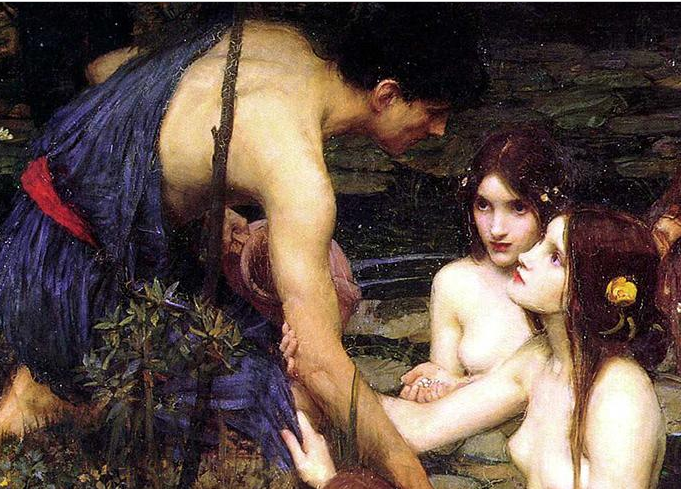
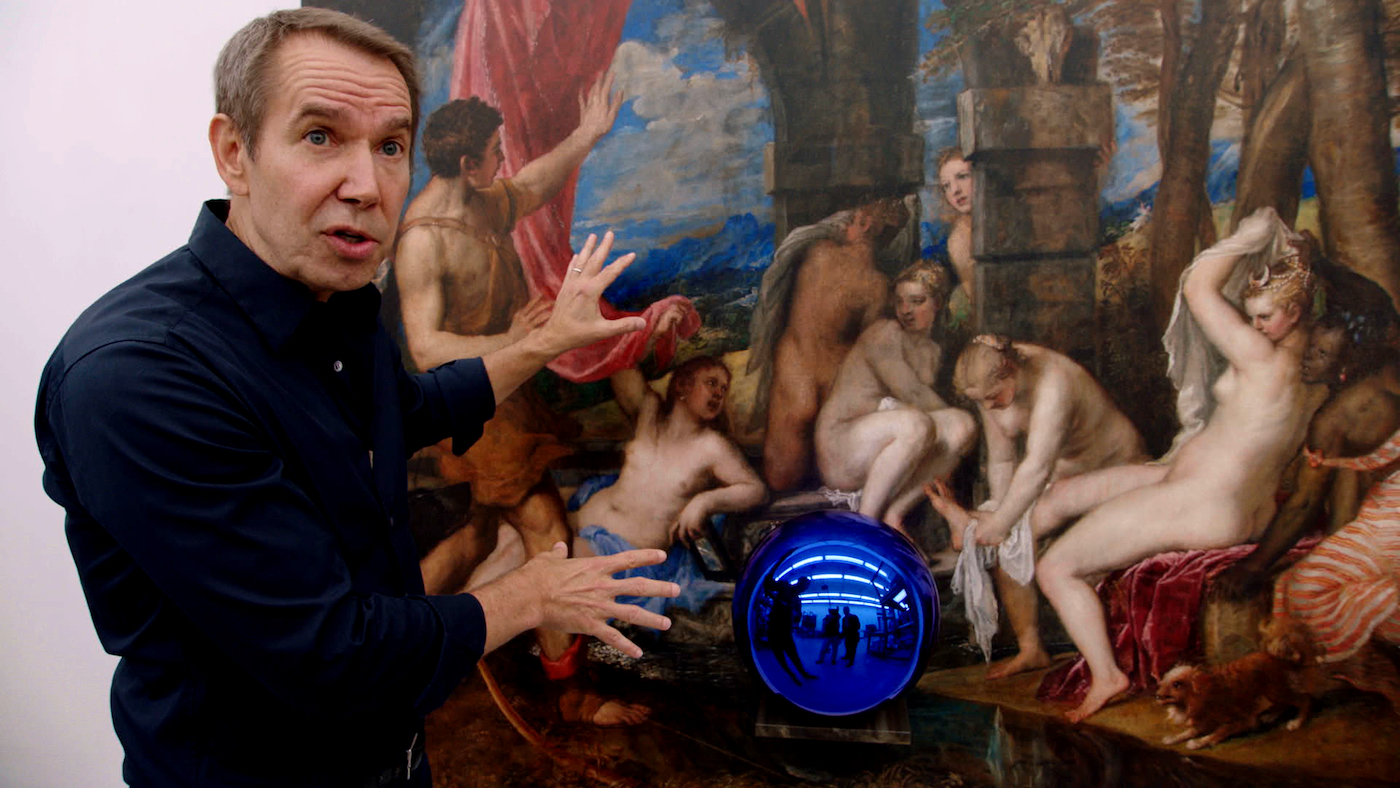
"After the Nymphs Painting Backlash: Is Curatorial Activism a Right or an Obligation? Can a Critic Be an Activist?"

frieze.com

"What Is the Art Exhibition of Your Dreams? "

artnet.com

"Can A Critic Be an Activist?"

slate.com

"Artists and Arts Workers Call on Institutions to Reject Calling Trump’s Border Wall Art "

hyperallergic.com

"The Precarious, Glamorous Lives of Independent Curators"

artsy.net

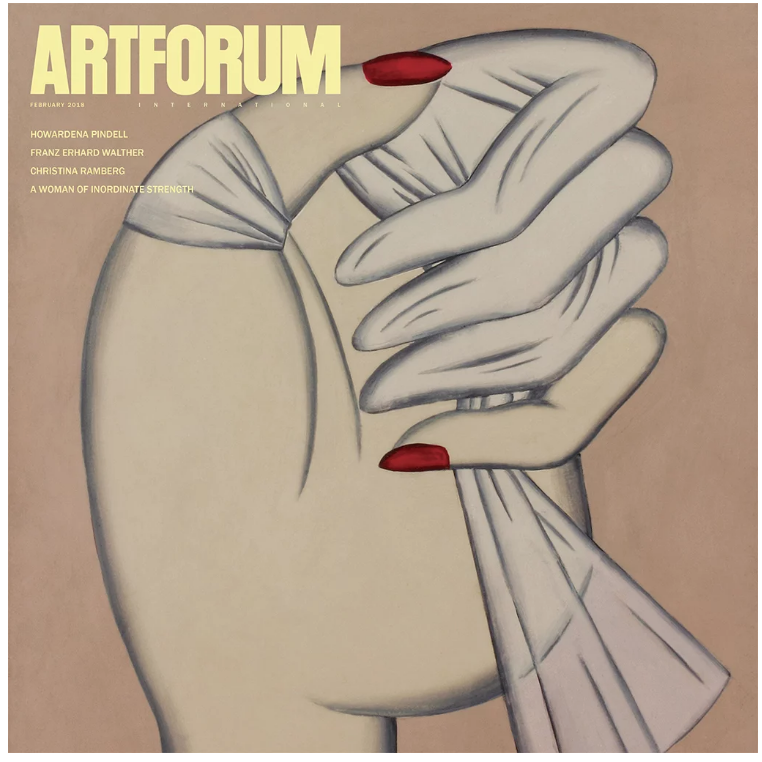
‘We’re Tired of the Sweet Talk’: Prominent Group of Art-World Women Demands a Boycott of Artforum

artnet.com

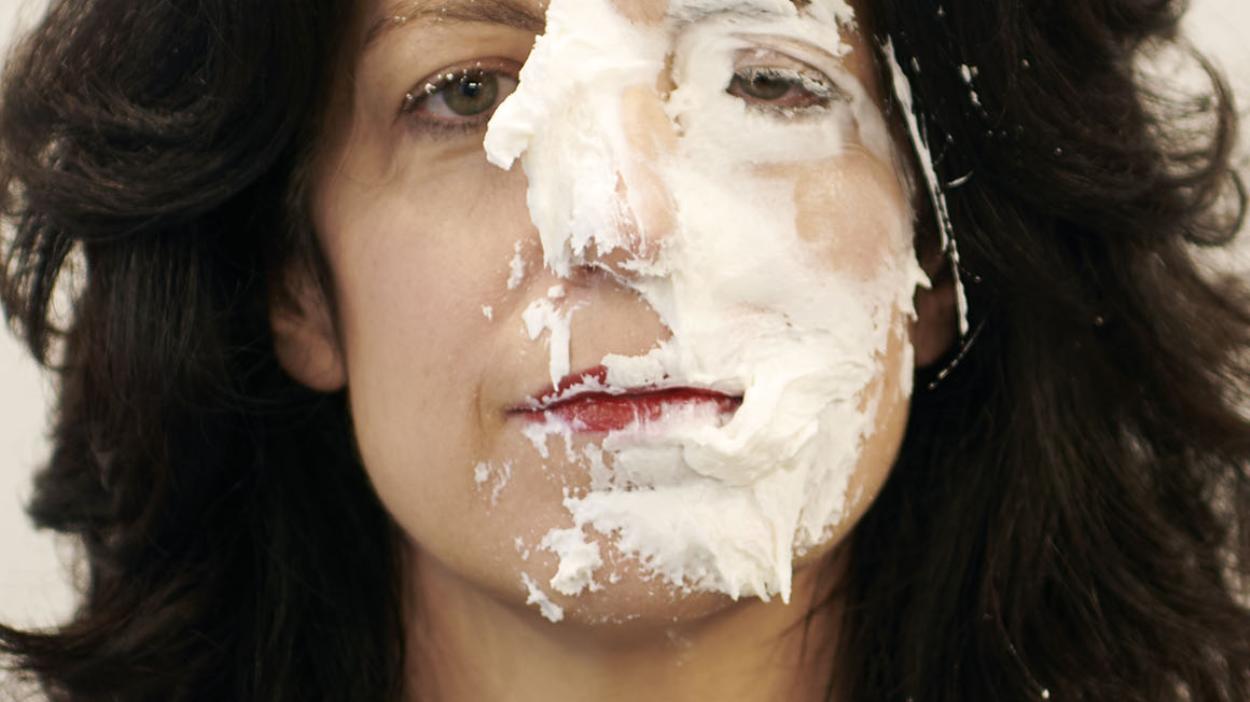
"Jennifer Rubell Invites You to Throw a Pie in Her Face (Then Call Her on the Phone)"

vice.com

"Still Learning the Lessons of the ’60s"

chronicle.com

"Open Letter to the Met RE: Admissions Policy"

thematerialcollective.org

"Is It Illegal to Eat a Work of Art? (PODCAST)"

arsty.net

"After the Nymphs Painting Backlash: Is Curatorial Activism a Right or an Obligation? Can a Critic Be an Activist?" "What Is the Art Exhibition of Your Dreams? " "Can A Critic Be an Activist?" "Artists and Arts Workers Call on Institutions to Reject Calling Trump’s Border Wall Art " "The Precarious, Glamorous Lives of Independent Curators" ‘We’re Tired of the Sweet Talk’: Prominent Group of Art-World Women Demands a Boycott of Artforum "Jennifer Rubell Invites You to Throw a Pie in Her Face (Then Call Her on the Phone)" "Still Learning the Lessons of the ’60s" "Open Letter to the Met RE: Admissions Policy" "Is It Illegal to Eat a Work of Art? (PODCAST)"
  • After the Nymphs Painting Backlash: Is Curatorial Activism a Right or an Obligation?
  • Can a Critic Be an Activist?
  • What Is the Art Exhibition of Your Dreams?
  • Artists and Arts Workers Call on Institutions to Reject Calling Trump’s Border Wall Art
  • The Precarious, Glamorous Lives of Independent Curators
  • ‘We’re Tired of the Sweet Talk’: Prominent Group of Art-World Women Demands a Boycott of Artforum
  • Jennifer Rubell Invites You to Throw a Pie in Her Face (Then Call Her on the Phone)
  • Still Learning the Lessons of the ’60s
  • Open Letter to the Met RE: Admissions Policy
  • Is It Illegal to Eat a Work of Art? (PODCAST)
Comment
Visiting an art gallery can be both intimidating and overwhelming, but ultimately the experience can prove to be transformative and more than just educational. Image captured at Vancouver Art Gallery during the Takashi Murakami retrospective in Febr…

Visiting an art gallery can be both intimidating and overwhelming, but ultimately the experience can prove to be transformative and more than just educational. Image captured at Vancouver Art Gallery during the Takashi Murakami retrospective in February 2018.

Focus on Fundamentals: How to Visit An Art Gallery

February 07, 2018

Looking at art in a gallery can be an intimidating and even frustrating proposition. Whether it is a lack of information on the walls, the overwhelming size of the collections, or fear that you somehow aren’t “getting” what you are looking at, there are many different ways that an art gallery can be potentially alienating. Over the years as I have taught people how to consider and look at art inside and outside the classroom, the art gallery visit has always proven a challenging assignment, even when taking excited students to art cities around the world on field schools.

For artists-in-training, there is the special fear that looking at other people’s art will challenge their practice and tastes or result in inadvertent appropriation, and for students new to art history or particular kinds of art (especially modern and contemporary), there is the reality that much of the art in today’s galleries is intended to move people beyond their comfort zones, and will not necessarily please or engage viewers as more traditional art of the past.

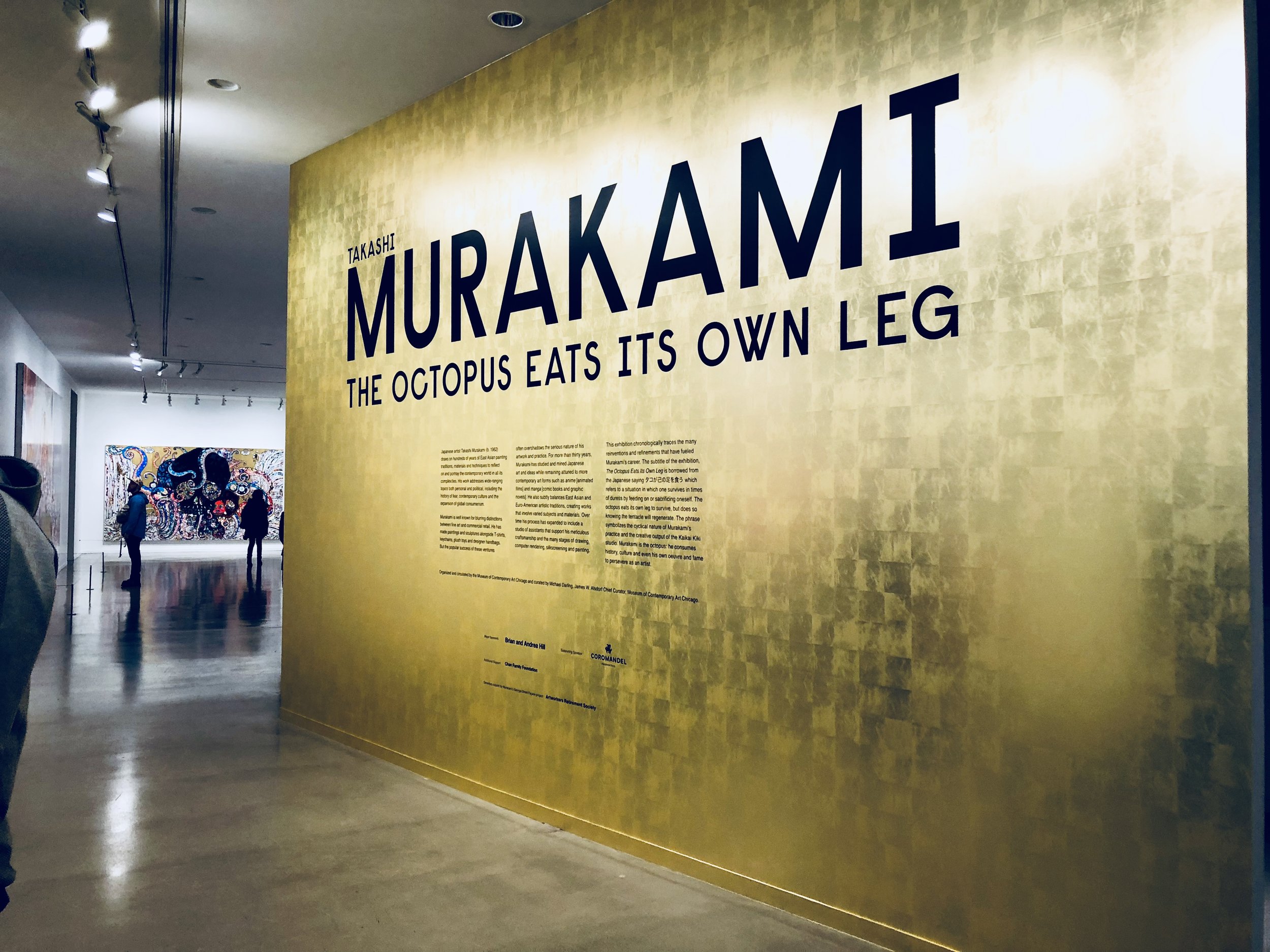
As such, learning how to navigate an art gallery is a valuable skill, and one that is not often taught. Following below are a set of guidelines to successfully plan and execute an art gallery visit. I will be using my most recent visit to the Vancouver Art Gallery’s Takashi Murakami retrospective as a working example, modeling how the ten steps provide an active framework for the visit determined by your own unique and individual interests.

The steps:

1.     Select your exhibition

2.     Select your date and time

3.     Decide on what/who you will bring to the gallery

4.     Do some pre-visit research

5.     Do a quick “once-around” viewing

6.     Note which rooms and works capture your attention

7.     Move through for a second more focused viewing

8.     Select 2-3 works for focused attention

9.     Stop, sit, and look at your chosen works carefully

10. Write, sketch, document your visit


STEP 1: Select your exhibition

This first step can be approached in many ways, and often quite spontaneously, but it is important to be somewhat intentional in what art you want to see. Whether it is in your own backyard or in a city you are planning to visit, I have found it makes most sense to select by exhibition/collection/artist and not necessarily by art institution (more on this later). In my case, I chose the Murakami show because it is a retrospective—showing a range of art works over one artist’s lifetime—and because Murakami is an artist I have taught for years in many different contexts across a range of art history and theory courses. Finally, I decided to make time for this particular show as I will be spending three weeks in Asia next month (including Japan), and I wanted to learn more about how Murakami has negotiated Japanese art traditions in his practice.

The Murakami exhibition is a traveling show that launched last summer at the Museum of Contemporary Art in Chicago. It will stay in Vancouver through spring before heading to the Modern Museum of Forth Worth in Dallas later this summer. 

The Murakami exhibition is a traveling show that launched last summer at the Museum of Contemporary Art in Chicago. It will stay in Vancouver through spring before heading to the Modern Museum of Forth Worth in Dallas later this summer. 

STEP 2: Select your date and time

Depending on the atmosphere you are looking for, choose your date and time wisely when attending your exhibition. The busiest time to visit a show is within a week of the opening and during weekends and evenings. Going to the opening is also an option and can be lots of fun, but you will almost certainly require a return visit to actually take in the art. The quietest time to visit a show is in its closing weeks and during weekdays. For my trip, I chose a weekday and two hours after opening to avoid the morning and school children visitor rush.

STEP 3: Decide on what/who you will bring to the gallery

I am mostly a loner when it comes to gallery going, and this visit was no different, but I will attend galleries with friends and colleagues if we agree to part ways for at least the majority of the visit. For my visit, I brought my iPhone (for photography, which was allowed for this show) and a small notebook and/or sketchbook with a mechanical pencil (some galleries do not allow ink pens). I put all of this in a small cross-body purse to be hands free while walking the space. You will also be asked to check any large bags or backpacks, so make sure to keep your items compact. You will want to decide, depending on your purpose, if your visit will be solo or with a friend, and what items you want to have with you to document your visit.
STEP 4: Do some pre-visit research

I cannot stress enough how important it is to do a small amount of research before making the investment of time and money to visit an art gallery. Here is when the choice to simply visit an art institution can backfire. In my case, I chose the Murakami show and had budgeted 1-1.5 hours to spend at the gallery. Had I decided to see more than that in one day (which I do not normally advise) I would have checked to see what else was open at the VAG. As it happens, all of the other spaces in the gallery were closed in preparation for new shows. Had I chosen to visit the gallery hoping to tour its collection, I would have been very disappointed. The same can be said when hoping to see a particular work of art when visiting a gallery, especially when out of town. Many institutions lend their art works to traveling shows and it is therefore worth the time to inquire if certain works will be available to see when visiting.

In addition to checking the opening/closing times of institutions, special discounts and free days, and other exhibition info at the venue you are visiting, it is always a good idea to read the exhibition description carefully to understand the scope and scale of the show. You can also do a small amount of research about the show itself if appropriate (via reviews and/or press material) to equip yourself with more context.

STEP 5: Do a quick “once-around” viewing

So now that you have prepared yourself and arrived at the gallery, you will want a viewing strategy. Many people instinctively begin moving through an exhibition attempting to look at and read everything in the order presented. Please, please, avoid this tactic. First, you will find yourself giving over far more energy to the beginning of the show as you lose steam moving through other sections and rooms, and second, you will be far less critical and aware of how the show has been curated. To avoid both of these pitfalls, I encourage you to walk the entire exhibition, from beginning to end at least once, spending no more than 10-15 minutes doing so. Read the show like a menu. I almost always begin backwards (also great to avoid the crowds moving to the beginning of the show), but you can choose to do this in any way that you like.

At the Murakami show, I knew I would be looking at a retrospective and therefore decided to begin from the present and work my way backwards in time. I also hopped around quite a bit, but did mostly a perimeter walk and then moved inwards to look at special rooms and niches. The gallery of images below captures some of that randomness in this exercise (click on any image to enlarge for a closer look). 

If you have arrived at a gallery hoping to see many exhibitions, I suggest the same strategy on a broader scale—i.e. walk the institution. Go to the top floor of the building, or one side of the building, and work your way down or across, noting which shows are located in which spaces. Trust me, this may seem counterintuitive, but there is a purpose here.

View fullsize IMG_0162.JPG
View fullsize IMG_6215.JPG
View fullsize IMG_5544.JPG
View fullsize IMG_6204.jpeg
View fullsize IMG_6152.jpeg
View fullsize IMG_6205.jpeg
View fullsize IMG_0694.JPG
View fullsize IMG_6208.jpeg
View fullsize IMG_6223.JPG
View fullsize IMG_2376.JPG
View fullsize IMG_8804.JPG
View fullsize IMG_6210.jpeg

STEP 6: Note which rooms and works capture your attention

The point of the “once around” viewing is to spark your interest and attention in what is being presented without relying solely on the curator’s narrative. What I mean here is that most exhibitions are set up to highlight and give emphasis to a story/theme/set of objects that are relevant to the organizers of the show. While the curatorial vision is important and you should pay attention to it (after all, that is how exhibitions find their way into spaces), it is equally important to establish your own relationship to the art works and find what captures your own particular interests and imagination.

When walking the Murakami show, I already knew that an emphasis would be placed on his large-scale murals and more commercial and cross-over objects that merge high and low Japanese culture, and his collaborations with other artists, musicians, and designers. But interestingly enough, I was completely enthralled by a set of conceptual projects that he did very early in his career, and ended up making a mental note to look more carefully at works from the earliest phases of his career—a topic I know relatively little about. I photographed three of these you can see in the gallery below.

IMG_7066.JPG
IMG_1454.JPG
IMG_2846.JPG
IMG_7066.JPG IMG_1454.JPG IMG_2846.JPG

STEP 7: Move through for a second more focused viewing

Once you perform your first “once around,” do it a second and even third time to close in even closer on the art works that spark your interest most. Use the gallery wall texts to help guide you, but do not rely on them to tell you the whole story of what you are looking at.

The Murakami show is, as it should be, a giant spectacle in many ways, and so there is no shortage of things to capture my attention. As I move through a second and third time, I make an effort to begin noticing the quieter and smaller Murakami works, noting that that many of his larger pieces also have a great deal of nearly hidden text and smaller drawing embedded within the details. As I look closer and closer, I realize that the retrospective has really made an effort to showcase a much more dimensional artist than is normally portrayed in the celebrity art world (of which he is a very notorious figure). Importantly, I am arriving at many of these associations on my own—something I assure you that each of us is capable of doing as part of our viewing experience. Trust your instincts, observations, and associations, as there is no correct way to look at a body of art works.

STEP 8: Select 2-3 works for focused attention

Make sure to zero in on at least 2-3 art works for closer attention as you move through the exhibition. Sometimes I ask students to pick the works that they would most want to own, or select as representative of the best thing they viewed, to spark this decision-making process. You may want to immediately photograph the works to remind you of which ones you shortlisted, or jot down their titles in your notebook. Don’t worry about spending time with them just yet—you will make that focused time as the final part of your visit.

It was tough to make my selections at the Murakami show, but I tried to limit myself to choose only a handful of objects for closer reading as both a challenge, and also a way to force consideration of what is most striking and interesting to me in the exhibition. In the end, I picked three works (from left to right in the image gallery below): the Data Painting Series (1992), From the perceived debris of the universe, we are still yet unable to reach the stage of nirvana (2008); and Tragicomedy of a Painter Living Day In and Day Out in His Studio Haunted by Deadlines (2018).

View fullsize IMG_1454.JPG
View fullsize IMG_9544.JPG
View fullsize IMG_1847.JPG
View fullsize IMG_4778.JPG

Step 9: Stop, sit, and look at your chosen works carefully

Now is the moment where you get to do something that many never will—look more closely at art! Think of it, most gallery goers will spend no more than a few seconds (or at most a minute) looking at an art object. There is even an entire slow art movement created to help encourage people to slow down and look more carefully at the art in our museums. And you can imagine how artists feel labouring on projects that many will only glance at in passing at a show.

This step is perhaps the most satisfying part of any gallery visit, as it is a chance to really take in and notice something important in the art works that first sparked your interest. How you do this is entirely up to you. Of course, the entire point of studying art history is to learn to look at art in this close and studied way. If you don’t know where to start, try to focus on one of the fundamentals: the FORM of the art work (the materials or how the work is put together), the CONTENT of the art work (the story, theme, or symbolism of the work), or the CONTEXT of the art work (the circumstances or history of the work’s production and circulation).

Returning to my chosen three works, I made meaningful connections for me. I chose Data Painting Series (1992) for its context, as I was truly taken by the way Murakami referenced conceptual painting by another Japanese artist, On Kawara, and his choice to embed almost invisible and arbitrary dates onto canvases that on their face look like monochrome paintings. I chose From the perceived debris of the universe, we are still yet unable to reach the stage of nirvana (2008) purely for the form, as I loved the metallic colours and striking contrast and look of the materials. As I read the wall text, I learned about Murakami’s interest in looking back at traditional Buddhist art to provide context, but I initially chose this painting on aesthetic grounds. Finally, I chose Tragicomedy of a Painter Living Day In and Day Out in His Studio Haunted by Deadlines (2018) exclusively for the content or story that was written directly onto the canvas. Murakami made the work as an apology to his Vancouver audience for not being able to complete all of his paintings for the show. I chuckled when I first read the title as it is both honest and vulnerable to admit the realities of what goes on in the day to day life of a working artist. On its surface, the striking yellow and red contrast the black and white photo of Murakami sitting in his studio, but it is only once you look very closely that you can read the typewritten text (which is also reprinted next to the work for those who miss it).

Not surprisingly, the interest and attention in Murakami intensified over a decade ago when he collaborated with Kanye West on his Graduation album cover, and then later with fashion house Louis Vuitton. Murakami's celebrity artist status, however, …

Not surprisingly, the interest and attention in Murakami intensified over a decade ago when he collaborated with Kanye West on his Graduation album cover, and then later with fashion house Louis Vuitton. Murakami's celebrity artist status, however, has overshadowed many aspects of his career that often go unmentioned or underappreciated. This retrospective did an excellent job balancing the multi-dimensional aspects of Murakami's art career, spanning several decades across the globe. 

Step 10: Write, sketch, and document your visit

This final step is much more useful now that you have taken in an exhibition at the macro and micro level. Taking more photos, or perhaps sitting down to sketch something of interest that you see in the details of one of your chosen art works helps mark the art gallery visit in more personal and relevant ways to you. Over the years, I have heard back from students who have never forgotten some seemingly minor work in an exhibition that would later inspire an idea or even a new project in their own studio.

My notes, sketches, and photos are used in my research and the classroom, yes, but I also create and save this documentation to help cultivate my own artistic tastes and interests. With the Murakami show, I walk away with a new appreciation for the role of Japanese visual culture ahead of my Asia trip, along with a curiosity to learn more about the artist’s early career and a new realization of how one-dimensional much of the Murakami coverage is in the art world. Ultimately, this is the goal of any art gallery visit—to help foster your own meaningful connections and understandings about what you are shown, along with gaining confidence and knowledge in looking at art with a critical and creative eye.

If you find yourself especially captivated by an art exhibition, buy the catalogue. They are often very difficult to locate once a show closes, and can be a valuable resource for you in many expected and unexpected ways. 

If you find yourself especially captivated by an art exhibition, buy the catalogue. They are often very difficult to locate once a show closes, and can be a valuable resource for you in many expected and unexpected ways. 

4 Comments
Los Angeles-based streetwear line Pleasures printed Andy Warhol's famous rejection letter (rejecting his piece Shoes for acquisition) from the Museum of Modern Art on one of their jackets a few years ago.  

Los Angeles-based streetwear line Pleasures printed Andy Warhol's famous rejection letter (rejecting his piece Shoes for acquisition) from the Museum of Modern Art on one of their jackets a few years ago.  

Weekly Flipboard Links and Media Round Up

February 04, 2018

As we head into February, I am finishing up the last of several letters of reference for students applying to graduate school. As with most of my colleagues, I spend a good deal of time each year drafting these documents-- it is an important part of our job-- and spend as much time chatting with prospective applicants about the realities and inevitable rejection that will likely arise out of some of their applications. For some this comes as a surprise-- "wait, you mean I don't just apply and get in?"-- and for others it is understood that their fit and placement in a grad program comes down to variables largely outside of their control. Some years ago I wrote a blog post "So You're Thinking About Grad School" where I talked about the sobering reality of facing rejection as a part of becoming successful. So for those of you going through this process now, remember that even Andy Warhol got rejected by MoMA in the early phase of his career. That did not stop him from becoming an artist-- in fact, it made him more determined to succeed. Enjoy this week's links and remember to always have a Plan B in case your Plan A does not work out. 

"The WIRED Guide to Emoji"

wired.com

"Art In Free Fall"
"Art In Free Fall"

nybooks.com

"The Comic-Strip Heroine I'll Never Forget"

theatlantic.com

"10,000 PhDs Project tracks career outcomes of U of T graduates"

universityaffairs.ca

"Art or Porn? A French Schoolteacher and Facebook Square Off in Court "

artnet.com

"How Digital Art Reaches Parts of Cuba that Lack Internet Access"

hyperallergic.com

"The Street Artist Invader Has Struck Sacred Temples in Bhutan "

artnet.com

"Artists back Nan Goldin’s call to hold Sackler family to account over US opioid crisis"

theartnewspaper.com

"As Museum Attendance Declines, One Institute Argues Audience Engagement Is on the Rise"

hyperallergic.com

"Amalia Pica – 'Can Joy Be a Form of Resistance?' | TateShots (VIDEO)"

tate

"The WIRED Guide to Emoji" "Art In Free Fall" "The Comic-Strip Heroine I'll Never Forget" "10,000 PhDs Project tracks career outcomes of U of T graduates" "Art or Porn? A French Schoolteacher and Facebook Square Off in Court " "How Digital Art Reaches Parts of Cuba that Lack Internet Access" "The Street Artist Invader Has Struck Sacred Temples in Bhutan " "Artists back Nan Goldin’s call to hold Sackler family to account over US opioid crisis" "As Museum Attendance Declines, One Institute Argues Audience Engagement Is on the Rise" "Amalia Pica – 'Can Joy Be a Form of Resistance?' | TateShots (VIDEO)"
  • Art In Free Fall
  • The WIRED Guide to Emoji
  • The Comic-Strip Heroine I'll Never Forget
  • 10,000 PhDs Project tracks career outcomes of U of T graduates
  • Art or Porn? A French Schoolteacher and Facebook Square Off in Court
  • How Digital Art Reaches Parts of Cuba that Lack Internet Access
  • The Street Artist Invader Has Struck Sacred Temples in Bhutan
  • Artists back Nan Goldin’s call to hold Sackler family to account over US opioid crisis
  • As Museum Attendance Declines, One Institute Argues Audience Engagement Is on the Rise
  • Amalia Pica – 'Can Joy Be a Form of Resistance?' | TateShots (VIDEO)


Comment
Detail from Salvador Dali, The Persistence of Memory (1931). 

Detail from Salvador Dali, The Persistence of Memory (1931). 

Focus on Life Hacks: Interval Training For Productivity (and Sanity)

February 01, 2018

One of life’s common denominators is limited time. While you can work to achieve more wealth, a better education, or improved health, we all have to figure out how to budget the same twenty-four hours each day. There is actually something quite comforting in this, and I enjoy learning and reading about how successful and creative people use their allotted hours each day. Last year I read Chris Bailey’s lauded The Productivity Project: Accomplishing More By Managing Your Time, Attention, and Energy—a book that tracks Bailey’s attempt over one year to research and test out an entire range of productivity tools and approaches—and the biggest take away for me was his emphasis on scheduling less time for important events, but bringing a renewed focus and intensity to that scheduled time.

Bailey's book was an eye-opening read. Work with focused intensity over shorter periods of time. Interval training for the brain.

Bailey's book was an eye-opening read. Work with focused intensity over shorter periods of time. Interval training for the brain.

One month into a new year and with more time than usual to spend thinking about productivity, I decided that I too needed to re-evaluate how I was spending my time on tasks that tend to lead towards procrastination (writing new material and grading tops my list here, but I could easily add house cleaning and responding to email into the mix… you get the idea). Interestingly, I was able to overcome my dread of steady state cardio at the gym last year by embracing interval training. Simple in concept but powerful in results, interval training involves alternating high-intensity and speed in exercise followed by a short period of recovery at a slower and reduced pace. For example, two minutes of sprinting followed by two minutes of walking. If done properly, the benefits of HIIT (high intensity interval training) include more efficient fat burning and improved cardiovascular conditioning over steady state cardio (done at one speed, ie. jogging or slow running). But best of all, you can cut your workouts in half if you are willing to work harder for a shorter period of time. No more churning out an hour of cardio. I can get the same results in a focused 20-25 minute session (and my running times have improved tenfold). 

The equivalent to interval training at the gym in the world of the mind is something called the Pomodoro technique—using intervals of time to cycle between activity and recovery when performing desk-related tasks. I first blogged about this method in passing when writing about digital distraction and how the Pomodoro technique got me through writing my doctoral dissertation, and I have once again reintroduced Pomodoro into my everyday routine with some great results.

The steps of the technique are dead simple:

  1. Decide on the task you want to tackle
  2. Set a timer for the work interval you choose (25-45 minutes is the norm)
  3. Work on the task without any distractions during that time (i.e. turn off all external stimuli)
  4. End work when the timer goes off
  5. Take a break away from your desk for the time you choose (5-15 minutes). Congratulations, you have completed one Pomodoro
  6. Repeat, and after 3-4 Pomodoros, finish for the day, or take a break equivalent to one Pomodoro (25-45 minutes) before returning to work

The technique is designed to create some very powerful habits. First and foremost you are forcing yourself to start a task (usually the toughest part) and if you are especially bad at procrastinating, I recommend beginning with 25 minute Pomodoros. Dedicating yourself to 25 minutes is not that tough, and before you know it you will find yourself engrossed in your work when the timer goes off. Over time you can increase the time interval (I like 45 minutes). Another important element to the interval is eliminating all distractions. No email or social media notifications, turn off your phone, and close your office door.

Working for a concentrated, distraction-free, interval of time, followed by a break, is the Pomodoro technique in a nutshell. 

Working for a concentrated, distraction-free, interval of time, followed by a break, is the Pomodoro technique in a nutshell. 

Second, you are required to rest. This can be tough at first if you simply cannot pull yourself away from the task, but trust me that the break is essential for both recovery and clearing the brain for another burst of activity—just like at the gym when you walk after sprinting to catch your breath. Many people try to pull off a multiple hour work marathon without breaks, and while this can work from time to time when needed, it is not a sustainable habit over the long term and does not form the habit of daily productivity. Remember the longer the work interval, the longer the break (25 minutes followed by 5 minute break, or 45 minutes followed by 15 minute break). During your break, you can get a drink, check your social media feeds, or watch a few minutes of a show. But whatever happens, you must return to your task when the timer goes off. Easier said than done, but this is where you build your discipline, and to be honest, I am usually eager to get back and pick up my last train of thought. 

Finally, the concept of Pomodoro holds to the idea, also put forth by Bailey in his book, that we must strive to work in shorter spans of time without distraction. Better to set aside 3-4 hours a day of concentrated time to accomplish a set task then to block out 8 hours without many parameters or guards against distraction, exhaustion, or simple procrastination. Efficiency, self-control, and grit build over time using the Pomodoro technique—a skill set that allows you to build confidence in overcoming procrastination—along with earning back wasted hours that you can spend on leisure activities.

All you need to get started is a simple timer. But if you want to get fancy or technical, there are several useful Pomodoro apps available for desktops and phones (search term Pomodoro). My favourite one is a very minimal and modern app for the Mac, or you can get started right away with a desk tool by visiting tomato-timer.com.

Comment
Pop sculpture and installation artist Claes Oldenburg celebrates his 89th birthday today. This poster is connected to Oldenburg's infamous The Store project (1961) when he decided to subvert the practice of selling art in the the traditional sp…

Pop sculpture and installation artist Claes Oldenburg celebrates his 89th birthday today. This poster is connected to Oldenburg's infamous The Store project (1961) when he decided to subvert the practice of selling art in the the traditional spaces of the art gallery, and instead opened his own temporary storefront on the Lower East Side of New York to sell his work. We could call him the father of the pop-art store! Archival image courtesy of MOMA

Weekly Flipboard Links and Media Round Up

January 28, 2018

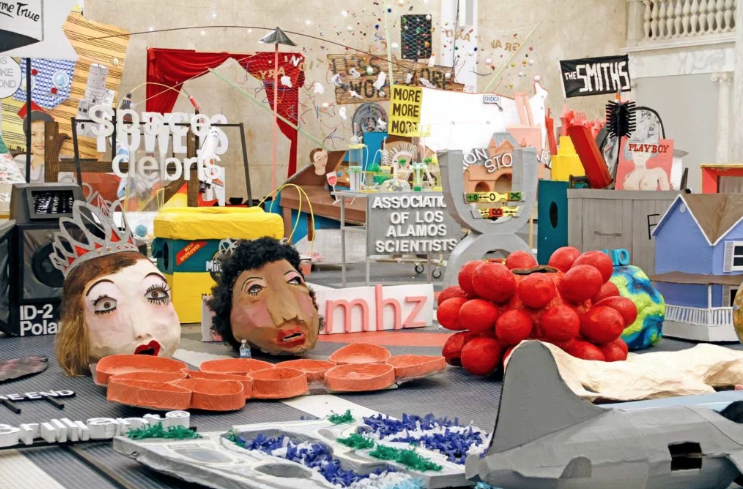
I have been in the mode of spring cleaning my office all week (I know, too early), and throwing away old paperwork, cleaning out digital files, prioritizing projects, and rediscovering many books, articles, and student work filed away for later reading. It has been both cathartic to let go of that which no longer serves me, and frustrating to realize I will never have the time to pursue all of the worthy research ideas that I would like to. In many ways, this blog was started eight years ago to test out and "muse" on precisely these kinds of topics. Back then, I certainly had more time to do this sort of thing, but I see now the benefit of going back to the practice of sparking and trying on some of these ideas in short posts meant to trigger and perhaps inspire others to pursue them. I hope to do more of this as I move into this year as I have enjoyed hearing back from readers (sometimes finding a post from many years ago) that they found useful. Sharing concepts in a free exchange of information is both radical and necessary in today's world. Enjoy the links and look for ways to share and spark ideas that will serve others. 

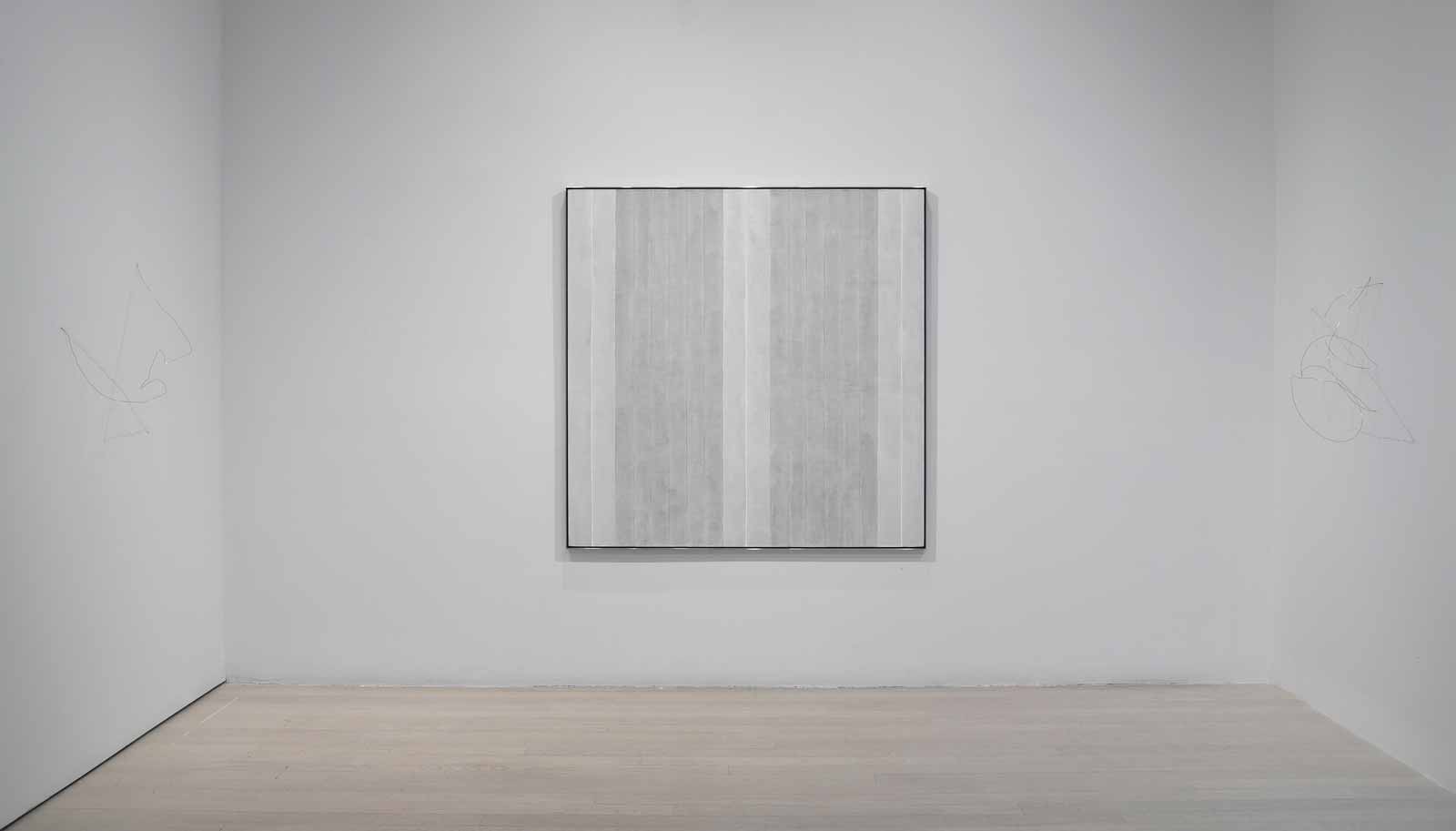
"Agnes Martin, Richard Tuttle, and the Line Between"

nybooks.com

"In Puerto Rico, Artists Rebuild and Reach Out"

nytimes.com

"French Art Luminaries Reject Jeff Koons’s Flashy Gift to Paris as a ‘Cynical’ Act of ‘Product Placement’"

artnet.com

"A Documentary Lays Bare the Absurdity of the Art Market"

hyperallergic.com

"CEOs Are Going to Art School to Think More Creatively"

artsy.net

"Ancient Rome’s System of Roads Visualized in the Style of Modern Subway Maps"

openculture.co

"If Liberalism Is Dead, What Comes Next?"

nytimes.com

"Seeing Beyond Basquiat’s Market Value"

hyperallergic.com

"Barbara Kruger: Part of the Discourse | Art21 "Extended Play" (VIDEO)"

art21

"The outsider art fair New York 2018 (VIDEO)"

jameskalmroughcuts

"Agnes Martin, Richard Tuttle, and the Line Between" "In Puerto Rico, Artists Rebuild and Reach Out" "French Art Luminaries Reject Jeff Koons’s Flashy Gift to Paris as a ‘Cynical’ Act of ‘Product Placement’" "A Documentary Lays Bare the Absurdity of the Art Market" "CEOs Are Going to Art School to Think More Creatively" "Ancient Rome’s System of Roads Visualized in the Style of Modern Subway Maps" "If Liberalism Is Dead, What Comes Next?" "Seeing Beyond Basquiat’s Market Value" "Barbara Kruger: Part of the Discourse | Art21 "Extended Play" (VIDEO)" "The outsider art fair New York 2018 (VIDEO)"
  • Agnes Martin, Richard Tuttle, and the Line Between
  • In Puerto Rico, Artists Rebuild and Reach Out
  • French Art Luminaries Reject Jeff Koons’s Flashy Gift to Paris as a ‘Cynical’ Act of ‘Product Placement’
  • A Documentary Lays Bare the Absurdity of the Art Market
  • CEOs Are Going to Art School to Think More Creatively
  • Ancient Rome’s System of Roads Visualized in the Style of Modern Subway Maps
  • If Liberalism Is Dead, What Comes Next?
  • Seeing Beyond Basquiat’s Market Value
  • Barbara Kruger: Part of the Discourse | Art21 "Extended Play" (VIDEO)
  • The outsider art fair New York 2018 (VIDEO)
Comment
Newer / Older
Back to Top
Screenshot 2018-02-05 20.48.17.png

© Dorothy Barenscott, 2010-2025