• Fall 2025
  • Blog
  • Resources
  • Field School
  • Students
  • Feedly
  • About
Menu

Avant-Guardian Musings

  • Fall 2025
  • Blog
  • Resources
  • Field School
  • Students
  • Feedly
  • About
large monogram_2018-02-01_22-31-07.v1 (1).png
“Art is an outlet toward regions which are not ruled by time and space”
— Marcel Duchamp

Avant-Guardian Musings is a curated space of ideas and information, resources, reviews and readings for undergraduate and graduate students studying modern and contemporary art history and visual art theory, film and photography studies, and the expanding field of visual culture and screen studies. For students currently enrolled in my courses or the field school, the blog and associated social media links also serve as a place of reflection and an extension of the ideas and visual material raised in lecture and seminar discussion.

Blog RSS

Screenshot 2018-02-05 20.56.45.png
Blog
KPU FINE ARTS PARIS + VENICE BIENNALE FIELD SCHOOL (MAY/JUNE 2026)
about 2 months ago
"No Fun City" Vancouver: Exploring Emotions of Detachment in Palermo, Sicily at AISU
about 4 months ago
Making Sense of Art in the Age of Machine Learning—A Suggested Reading List
about 5 months ago
From the Archives | How (And Why) To Take Excellent Lecture Notes
about a year ago
Weekly Musings + Round Up... And A Few More Things
about 2 years ago

Screenshot 2018-02-05 20.56.51.png
As we start the week in a storm of activity, new beginnings, and global uncertainty, I am grounded in my word for 2026– INTENTIONAL 🩶— “done with purpose, willingness, deliberation, and consciousness.” I see this word represe
As we start the week in a storm of activity, new beginnings, and global uncertainty, I am grounded in my word for 2026– INTENTIONAL 🩶— “done with purpose, willingness, deliberation, and consciousness.” I see this word represented in the symbol of the heart, and for this reason and many others both personal and professional, I will be bringing this much needed energy to my year. The power of a yearly word is transformative. I started in 2019 and my words have guided and carried me through some important moments and life decisions. If you haven’t already, give it a try, but remember to choose very wisely ☺️ “Radiate” 2025 ✨ “Maintain” 2024 💪🏻 “Refine“ 2023 🙌🏻 “Acta non verba” 2022 🤐 “Audacious” 2021 💃🏼 “Fearless” 2020 😛 “Unapologetic” 2019 💅🏻 #happynewyear #wordoftheyear #intentional #monicavinader @monicavinader
Polar bear ride! 🐻‍❄️🏍️💨🏍️ First motorcycle outing of 2026 in the books. A balmy 4C 🥶We love you Vancouver— good to be home 💙😊Wishing everyone a very Happy New Year! 🥳 
.
.
.
#happynewyear #vancouver #motorcycle #motorcyclesofinstag
Polar bear ride! 🐻‍❄️🏍️💨🏍️ First motorcycle outing of 2026 in the books. A balmy 4C 🥶We love you Vancouver— good to be home 💙😊Wishing everyone a very Happy New Year! 🥳 . . . #happynewyear #vancouver #motorcycle #motorcyclesofinstagram #motocouple #husqvarna #vitpilen401 #svartpilen401 #motogirl #motogirls
2025... where did it go?! 😂 Like a ray of light, I was very much guided by my chosen word of the year “radiate”— to shine and send out beams of energy— and this allowed for a great deal of adventure, new experiences, ideas an
2025... where did it go?! 😂 Like a ray of light, I was very much guided by my chosen word of the year “radiate”— to shine and send out beams of energy— and this allowed for a great deal of adventure, new experiences, ideas and people and opportunities to flow back into my life. Above all else, I found myself very much on the move all year! Travel took me from New York to Lausanne, Paris to Seoul, and Palermo to Maui, while my motorcycling stayed more on the road and less on the track as Brian and I balanced our time, energy, and commitments. But as always, we found every spare moment to prioritize this shared passion and we hope to find a way back to the track in 2026. Professionally, the year was... A LOT... and highlighted by many new research partnerships, conferences, workshops, writing projects, some failed plans and sharp detours, but also the planting of new seeds for future ventures. In the classroom, AI brought many new challenges and opportunities to rethink the purpose of my teaching and courses, but overall I was inspired and at times surprised by what my students were able to accomplish with the new assessment models I put into place. All of this technological change remains very much a work in progress for academics, and I prefer to remain optimistic that the artists I work with will find a way to maintain their voice and vision in it all. The historian in me knows this to be true. Personally, I connected more to my heart and intuition in 2025, listening to that inner voice to guide many key decisions. Brian and I also kept up a decent health and fitness regime that had us energized and aiming for consistency to match our midlife pace. Use it or lose it is a reality in your 50s!!! Sending wishes of peace and love and a very Happy New Year to all! May your 2026 be filled with fun, awe, purpose, and good health and much happiness. Remember to be good to yourself so you can be good to others. I’m still working carefully on my 2026 word… but whatever it is, I know it will be the right one ❤️ . . . #happynewyear #yearinreview2025 #wordoftheyear #motorcyclelife #arthistorianlife
Resting, dreaming, and plotting the year ahead 💙✨😘
.
.
.
#maui #hawaii #vacationmode #newyear #planning
Resting, dreaming, and plotting the year ahead 💙✨😘 . . . #maui #hawaii #vacationmode #newyear #planning
Riding and chasing sunsets across Maui ✨💙🌺🌴🧡
.
.
.
#maui #hawaii #motorcycle #motorcyclesofinstagram #motogirl #vacationmode #sunsets
Riding and chasing sunsets across Maui ✨💙🌺🌴🧡 . . . #maui #hawaii #motorcycle #motorcyclesofinstagram #motogirl #vacationmode #sunsets

Screenshot 2018-02-05 20.57.02.png
  • November 2025 (1)
  • September 2025 (1)
  • August 2025 (1)
  • September 2024 (1)
  • February 2023 (1)
  • January 2023 (3)
  • August 2022 (1)
  • March 2022 (1)
  • February 2022 (3)
  • January 2022 (4)
  • November 2021 (2)
  • October 2021 (3)
  • September 2021 (3)
  • July 2021 (2)
  • June 2021 (1)
  • May 2021 (3)
  • April 2021 (3)
  • March 2021 (3)
  • February 2021 (4)
  • January 2021 (5)
  • December 2020 (3)
  • November 2020 (6)
  • October 2020 (4)
  • September 2020 (1)
  • July 2020 (1)
  • June 2020 (4)
  • May 2020 (9)
  • April 2020 (5)
  • December 2019 (2)
  • November 2019 (5)
  • October 2019 (3)
  • September 2019 (1)
  • July 2019 (6)
  • June 2019 (19)
  • April 2019 (2)
  • March 2019 (5)
  • September 2018 (2)
  • July 2018 (1)
  • June 2018 (4)
  • May 2018 (2)
  • April 2018 (5)
  • March 2018 (5)
  • February 2018 (8)
  • January 2018 (3)
  • December 2017 (4)
  • November 2017 (5)
  • October 2017 (7)
  • September 2017 (3)
  • July 2017 (6)
  • June 2017 (15)
  • April 2017 (2)
  • March 2017 (3)
  • February 2017 (1)
  • January 2017 (2)
  • November 2016 (2)
  • October 2016 (1)
  • September 2016 (3)
  • August 2016 (1)
  • June 2016 (2)
  • May 2016 (3)
  • April 2016 (2)
  • March 2016 (5)
  • February 2016 (7)
  • January 2016 (9)
  • November 2015 (1)
  • October 2015 (2)
  • September 2015 (3)
  • August 2015 (3)
  • July 2015 (1)
  • June 2015 (20)
  • May 2015 (4)
  • March 2015 (2)
  • January 2015 (1)
  • November 2014 (1)
  • October 2014 (2)
  • June 2014 (1)
  • May 2014 (4)
  • April 2014 (6)
  • February 2014 (1)
  • January 2014 (2)
  • November 2013 (1)
  • September 2013 (1)
  • July 2013 (3)
  • June 2013 (10)
  • December 2012 (1)
  • November 2012 (3)
  • October 2012 (6)
  • September 2012 (3)
  • August 2012 (1)
  • July 2012 (1)
  • June 2012 (25)
  • May 2012 (5)
  • April 2012 (4)
  • March 2012 (7)
  • February 2012 (11)
  • January 2012 (6)
  • December 2011 (5)
  • November 2011 (11)
  • October 2011 (11)
  • September 2011 (8)
  • June 2011 (9)
  • May 2011 (15)
  • April 2011 (9)
  • March 2011 (14)
  • February 2011 (17)
  • January 2011 (16)
  • December 2010 (11)
  • November 2010 (18)
  • October 2010 (24)
  • September 2010 (30)

Screenshot 2018-02-05 20.57.07.png

© Dorothy Barenscott, Avant-Guardian Musings, and dorothybarenscott.com, 2010-2023. Unauthorized use and/or duplication of this material without express and written permission from this blog’s author is strictly prohibited. Excerpts and links may be used, provided that full and clear credit is given to Dorothy Barenscott, Avant-Guardian Musings, and dorothybarenscott.com with appropriate and specific direction to the original content.

Tiffany enjoying a glass of French champagne at the Paris group dinner.

Tiffany enjoying a glass of French champagne at the Paris group dinner.

Location| Paris: Meet Field School Blogger Tiffany Huang

June 25, 2017

Tell us a little bit about yourself—your background, major program of study, reasons for taking this trip, and anything else interesting you want to share (maybe something people might not know about you).

Hi! My name is Tiffany, and I am now writing this blog from the balcony of our apartment in the 19th arrondissement of Paris - overlooking a sun setting into our peaceful and friendly neighborhood. I originally attended Kwantlen Polytechnic University and transferred to the University of British Columbia to work towards my Bachelor Degree in Art History and Visual Arts. I've been in university for the past five years, and I possibly have one and a half more years to go. Since I am in no rush to graduate (or to grow up, ha-ha..), I've been hoping to explore different aspects of humanity in school (thus switching my major three times), psychology, creative writing, sociology and now art history (I sincerely thank Dorothy for providing such interesting courses, which guided me into the field), and I've loved and love each one of these subjects for different reasons. If Sociology has taught me empathy and kindness towards every individual, Art History has awakened me to creatively explore this curiosity towards humanity and society. Art is never something passive to be looked at, it's always active and ready to inspire. It inspires an idea, a point of view, a conversation, a story, furthermore, a feeling.

Other than day-dreaming in classes and cramming my assignments hours before it's due, I work part-time as a waitress and a radio broadcaster (and periodically, a movie casting assistant!). In my two weekly radio shows, I chat about art and music. Occasionally, I like to shoot street photography. I live for those decisive moments that will linger in the hearts for a while. I dream to be a cinematographer, or a writer… maybe. For now, I am content as a friend, a lover, and a learner. Let’s explore!
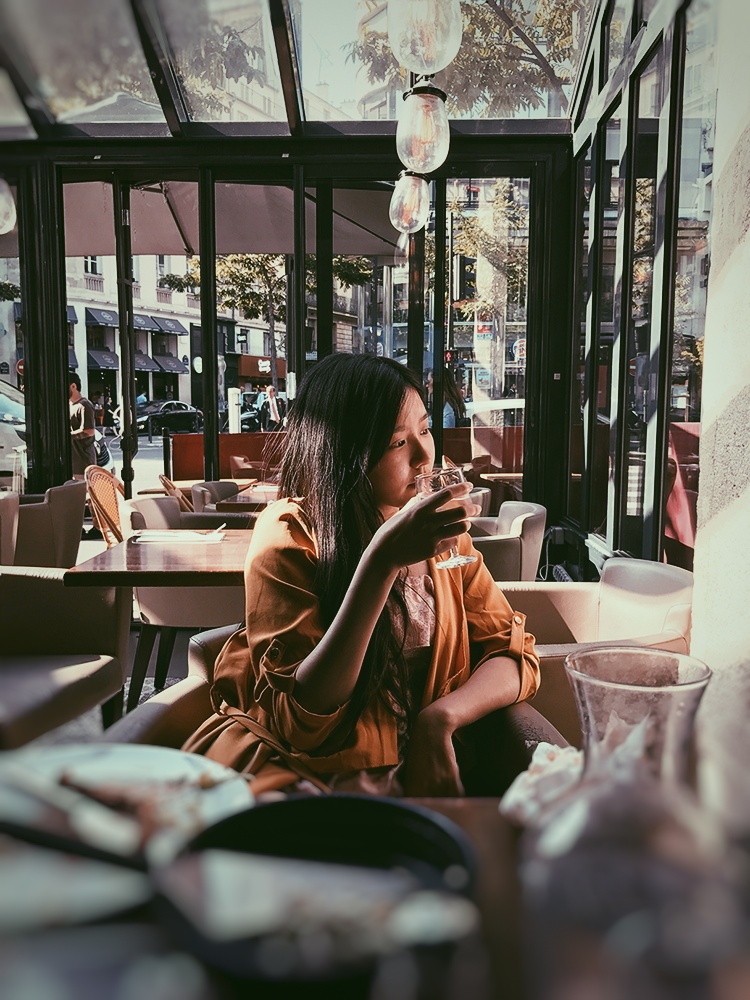
Tiffany taking the time to enjoy the moment in a Parisian café.

Tiffany taking the time to enjoy the moment in a Parisian café.

2017-06-07 07.04.43 1.jpg
2017-06-07 06.46.38 1.jpg
2017-06-07 07.36.20 1.jpg
20170611_155552-01.jpeg
20170612_205701-01.jpeg
IMG_20170610_233741_486.jpg
IMG_20170615_155049_009.jpg
2017-06-07 07.04.43 1.jpg 2017-06-07 06.46.38 1.jpg 2017-06-07 07.36.20 1.jpg 20170611_155552-01.jpeg 20170612_205701-01.jpeg IMG_20170610_233741_486.jpg IMG_20170615_155049_009.jpg

What has met or exceeded your expectations or surprised you about Paris (or Kassel) so far?

An old city bustling with lively energy. Paris has taught me to just “be.” To be in the moment. To be here! To be here whether you’re in love or not, to be here whether you’re lost or found. To see it as it is and not how you wish it to be. In a cliché way, I truly feel the “c’est la vie” vibe. Parisians have a particular lifestyle, and to me that is to live and love the present moment to the fullest – no matter what the circumstances are. To sit and chat and sing and drink along the Seine River, to giggle with the children on the subway, to laugh at the park patrol when he tries to tell you that the park’s closed, to scold and then to not chase the kid who steals a candy from your convenience shop… these are the fleeting yet eternal moments. To be immersed in what your surrounding has to offer and then embrace it – Parisians do it so well.

Edgar Degas's Ballet Rehearsal on Stage (1874) was Tiffany's assigned image from the Orsay Museum.

Edgar Degas's Ballet Rehearsal on Stage (1874) was Tiffany's assigned image from the Orsay Museum.

Give us some insight into your assigned artwork from the Orsay Museum. After seeing the work in person in Paris (and any other related art from the same artist or art movement associated with the assigned work), what struck you most about it and/or how did the artwork’s form, content, and context shift for you when seeing it.

My assigned artwork is Ballet Rehearsal on Stage (1874) by Edgar Degas. Degas abandoned his interest in historical paintings to pursue a closer observation of modern society – and now he’s in dialogue about modernity with all the Impressionist artists at the Orsay Museum! However, while the Impressionist artists celebrate the bustling modern city, Degas saw the alienation, loneliness, and desolation of its people. The painting Ballet Rehearsal on Stage (1874) examines the paradox of the ballerinas’ lives, committing into their professions only to be vulgarized by the abonnés, the male subscribers to the Paris Opera, whom exercises their power by providing financial support in exchange for sexual contact.

When I encountered the work Ballet Rehearsal on Stage (1874) at the Orsay Museum, I was struck immediately by the two paintings placed beside – on the right, Jeantaud, Linet and Laine (1871) by Degas depicts three bourgeoisie men sitting and facing towards the left; on the left side, Dancers climbing the stairs (1886-90) by Degas illustrates ballet dancers on their way to their dance room in which they practice. Both paintings seem to direct the viewer’s eyes onto the center piece, the Ballet Rehearsal on Stage (1874), where the two penetrating forces (ballerinas’ rehearsal vs. the male subscriber) are in conflict. This arrangement enhances the content of all three paintings, and this interpretation could not have been possible in any other setting. 

View fullsize  Tiffany Huang,  Foodporn  (2017)
View fullsize  Tiffany Huang,  Untitled  (2017)

How did you approach the creative task of responding to this assigned work in studio? What were your challenges as an artist to be in dialogue with the artwork and artist? Would you do anything differently now that you have seen the work in person?

In my first studio project Foodporn (2017), I was interested in the notion of seduction and sexual objectification. I wanted to explore “performance versus pleasure” and how one leads to another. To exercise my idea in a contemporary context, I choose food as my subject. In the absurd culture of the internet, food is arranged, photographed, uploaded and hashtagged before consumption. It’s sexually objectified, it plays a performative role in seducing our appetite. In my photos, the food also resembles body figure/movement, in which Degas was interested in.

As I studied further the context of my assigned painting, I was surprised by the role of the public/general audience of the ballet. They were hungry for gossip and entertainment – so the media would continue to create the shock value, to depict the ballerinas as attention-seeking, gold-digging, superficial young ladies who climbs up the system by offering sexual exchange. They were viewed as sexual objects. Thus, the ballerina’s true talent and effort were neglected.

I am interested in the way Degas painted the ballerinas with personalities – capturing the inadvertently gestures of the ballerinas during a casual rehearsal. This forms a sense of intimacy and closeness, allowing the viewer to see them in a different perspective. Therefore, in my second studio project, Untitled (2017), I created a space that challenges the notion of public lives versus private reality. The three level of spheres resembles the growth and the advancement of the ballerinas. It also symbolizes mind, body and spirit, as well as a never-ending cycle of trying to break through the glass ceiling. From the viewer’s eyes, we see through a “caged” vision, catering to our own preconception.

Group photograph in the Opera's "hall of mirrors"-- Tiffany just off center peeking over Lukas's left shoulder.

Group photograph in the Opera's "hall of mirrors"-- Tiffany just off center peeking over Lukas's left shoulder.
View fullsize 20170613_103700-01.jpeg
View fullsize 20170613_200112-01.jpeg
View fullsize 20170613_205128-01.jpeg
View fullsize 20170613_224012-01.jpeg

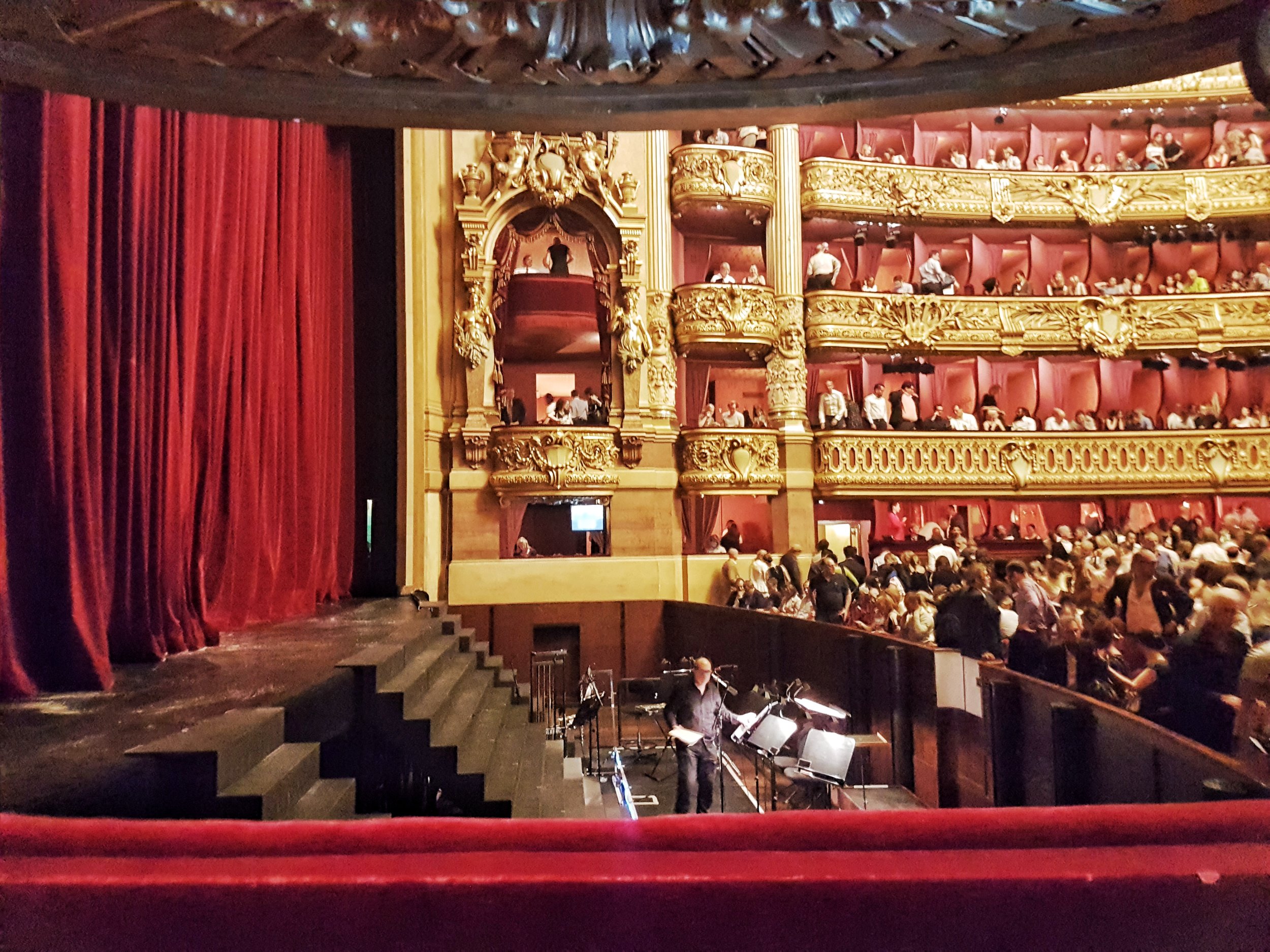
Today’s activity was located at the Opéra de Paris at Palais Garnier. What were your impressions? What will you take away of the experiences of this day?  What are the most memorable moments for you?

Palais Garnier is mesmerizingly beautiful. The cave-like main entrance divides the space into a world outside of reality. It draws the visitors out of everyday life and into the endless possibility of theatre. The grand staircase, where visitors to the opera/ballet used to (and possibly still do) show off their attires, allowing them to literally “climb up the social ladder”. Visitors would see the same play twenty-five times because it’s a place to socialize, it’s a time of glamour, it’s a place to see and be seen.

At night, I was fortunate to witness it all. I purchased a last minute ticket for the premiere of the contemporary ballet performance arranged by choreographers Sebastien Bertaud, Simon Valastro, Bruno Bouche, and Nicolas Paul. I sat close to the stage, in Box 1, all by myself. It was a show beyond my imagination. The notion of glamour, spectacle, illusion and reality all comes to play in this space. In between the stage and the audience, I was in a place to observe it all. Time was eternal, onstage and offstage, it was truly an unforgettable experience. Furthermore, I was in Edward Degas’ perspective! How much has changed since Degas’ time? The ballerinas’ vulnerability has transformed into power. No longer enduring the humiliation of the abonnés, they are now submitted wholeheartedly to the art. To be fully emerged in the art of performance, that’s what it means to be here at the Palais Garnier. When imagination meets the practical reality of theatre, that’s where magic happens!

To see more photos and impressions of Paris and Kassel as the field school continues, check out our Instagram feed #kpuparis

Comment
Nielsen enjoying the view of the Haussmannized streets from the Paris Opera House.

Nielsen enjoying the view of the Haussmannized streets from the Paris Opera House.

Location| Paris: Meet Field School Blogger Nielsen Ming-Zhong Ruan

June 23, 2017

Tell us a little bit about yourself—your background, major program of study, reasons for taking this trip, and anything else interesting you want to share (maybe something people might not know about you).

I am a university undergraduate student at Kwantlen Polytechnic University studying Modern Languages. I have mostly taken foreign language classes, but I have not up until now taken Art History classes and have just started in the past year taking Fine Art courses. I also recently earned a Diploma in General Studies. My major program of study is still General Studies, but the main reason why I am taking this trip is that I want to explore French culture to gain more knowledge. I had thought that if I visited museums in France, I would be able to know much more about French art and artistic techniques. But unfortunately, I am still struggling to learn about the art and the art history as I am a beginner.  Something interesting I want to share is that I am glad that I am in France this year and I get to experience French culture directly, especially the wind touching me. So far this has been a good experience, but the hot weather sometimes bothers me and the costs (because of the Euro) are too high. Despite all this, I am willing to come back to France again.

Group picture at the Paris Opera House-- Nielsen at center in green plaid shirt. 

Group picture at the Paris Opera House-- Nielsen at center in green plaid shirt. 

Nielsen having a great time dancing at the group dinner in the Latin Quarter of Paris.

Nielsen having a great time dancing at the group dinner in the Latin Quarter of Paris.

What has met or exceeded ­your expectations or surprised you about Paris (or Kassel) so far?

What has met or exceeded my expectation is just how cultural Paris is-- it has so many good museums, and every district or area has a cultural venue to visit. Unlike Vancouver, where there are not many museums (and they are not especially good), Paris is such an attractive, incredible, and interesting city, which makes tourists desire to see every single landmark. What surprised me about Paris so far is that I see Paris is like Ho Chi Minh City, Vietnam, nicknamed "Paris of the Orient" based on the sight, smell, and sound.

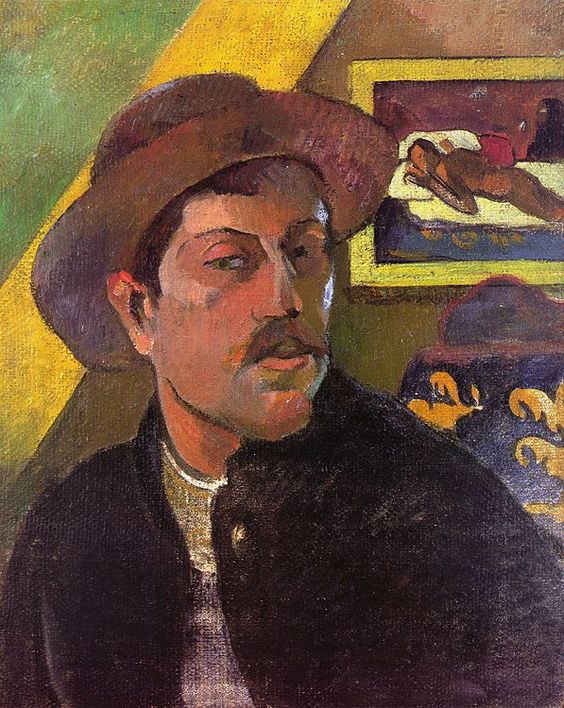
Nielsen was assigned Paul Gauguin, Self Portrait With A Hat (1893-4) from the Orsay Museum.

Nielsen was assigned Paul Gauguin, Self Portrait With A Hat (1893-4) from the Orsay Museum.

Give us some insight into your assigned artwork from the Orsay Musuem. After seeing the work in person in Paris (and any other related art from the same artist or art movement associated with the assigned work), what struck you most about it and/or how did the artwork’s form, content, and context shift for you when seeing it.

I was not able to find my artwork in the Musee D’Orsay (as it was on loan), but I found another artwork that was similar to my assigned painting, Paul Gauguin, Self Portrait With A Hat (1893-4), because it too is a self-portrait by the same artist. After I see the work in the Musee D’Orsay, what struck me most about the  artwork is that the formal qualities of the painting are very different in person. For example, it looks more realistic and I see lighter colour when I look at it in the museum. When I originally saw my assigned painting in the computer and the printed version one, I felt like I was staring more at a cartoon character. What shifted for me when seeing the painting in real life is that my assigned painting has a very specific background. 

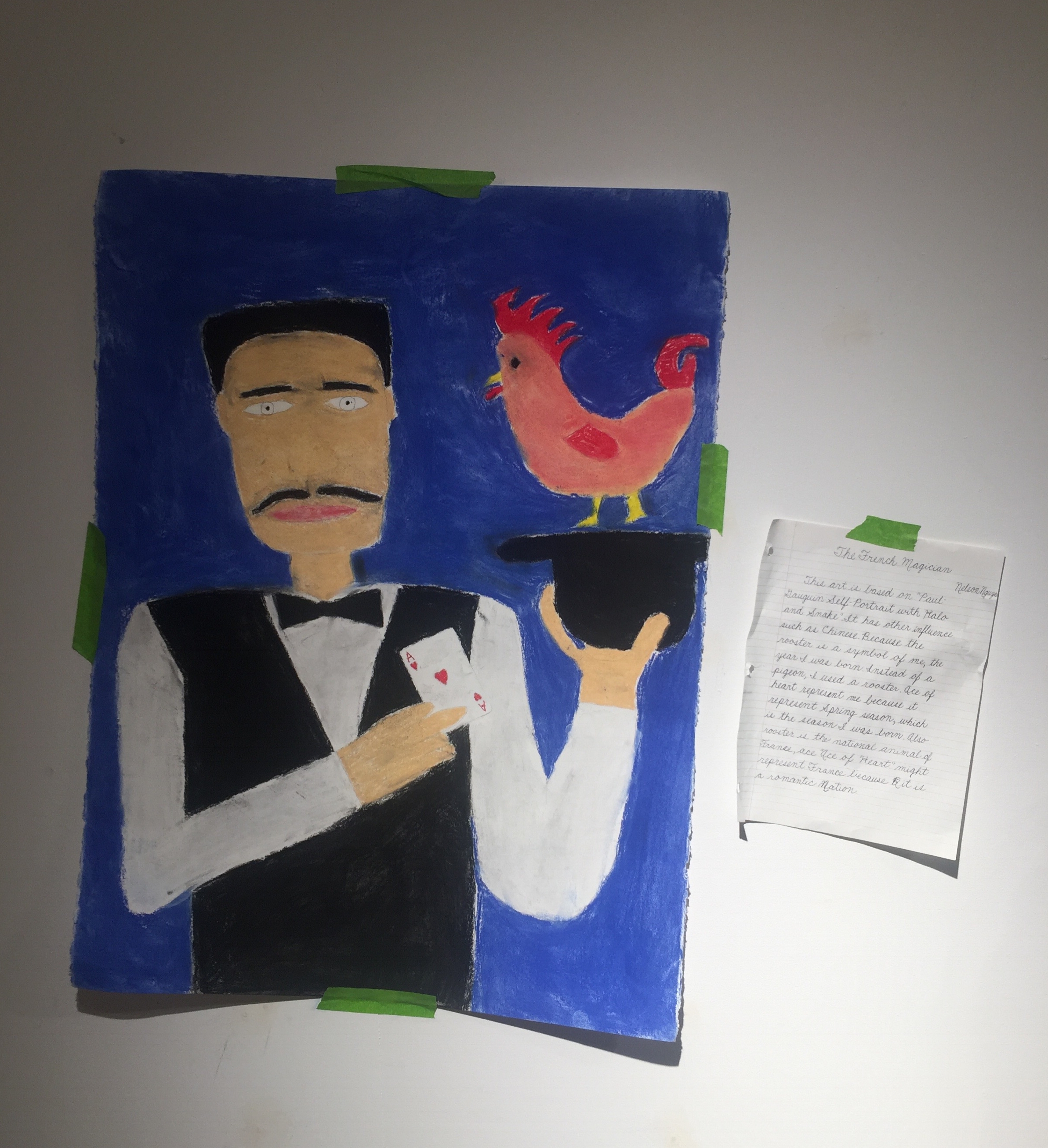
Nielsen's final studio project in conversation with Gauguin.

Nielsen's final studio project in conversation with Gauguin.

How did you approach the creative task of responding to this assigned work in studio? What were your challenges as an artist to be in dialogue with the artwork and artist? Would you do anything differently now that you have seen the work in person?

The way I approached the creative task of responding to my artwork was to make a self-portrait, so I placed my likeness into the self-portrait to tell something about myself. It feels like I am playing a special type of character in the portrait, but it still represents my realities. Also, the background of my design is something that represents my life. My challenges are that I did not have the proper skills to design in the higher level I wanted to, although I attempted to follow the same techniques that Gauguin used to produce his work. Also, I do not usually like making art with classmates because I can get pretty distracted. I feel better to work individually unless I need help with my design. Right now, I would not do anything different because I am not an artist-- I am treating this program as a beginner, so I need to take things simply for now.

IMG_3212.JPG
IMG_0358.JPG
IMG_0366.JPG
IMG_3269.JPG

Today’s activity was a sunset bike tour through Paris. What were your impressions? What will you take away of the experiences of this day?  What are the most memorable moments for you?

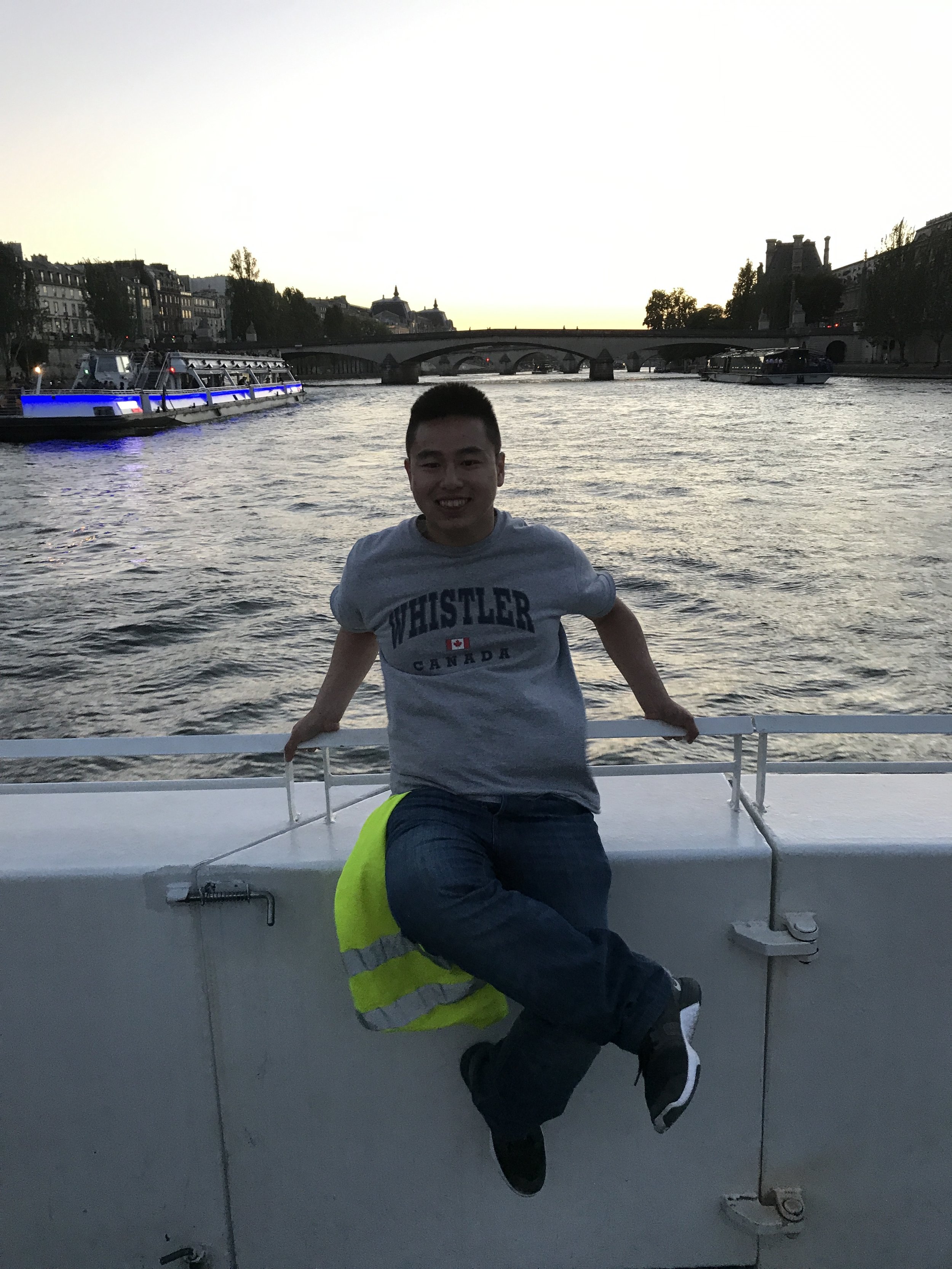
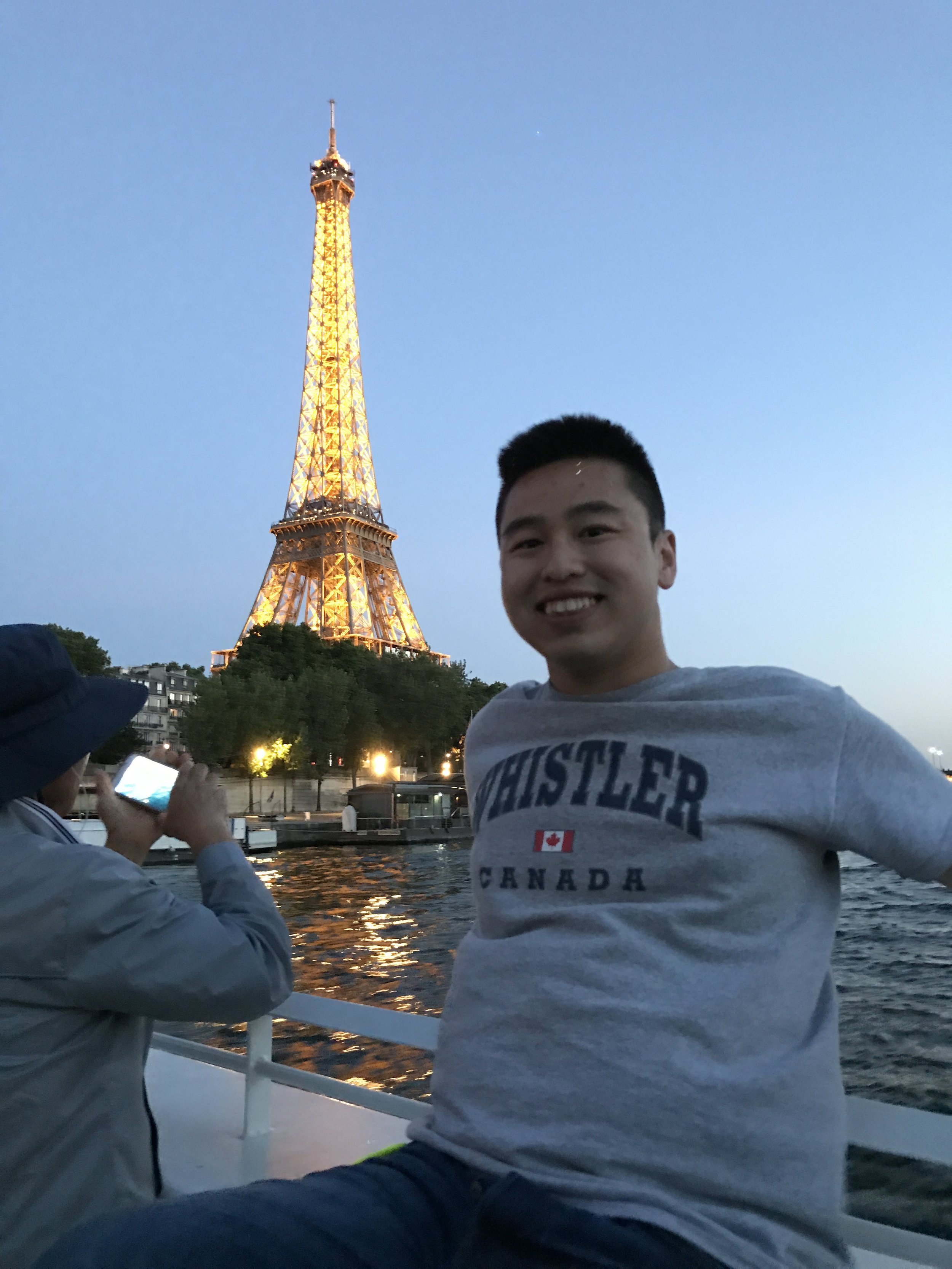
The bike tour allowed me to see Paris in a different way. During the last week in Paris, I had seen Paris as a pedestrian, so I observed the view slowly. During the tour, I observed Paris by bike riding and hopping on a boat down the Seine. My impressions were incredible, and it made me feel like I was living a Parisian life. What will I take away of the biking experiences? When I return to Vancouver, I will use this experience to bike in Downtown Vancouver or other cities of the world. Besides gaining this experience, I wish I could in the future be the leader of such a tour, which is leading and teaching the group to ride around the city. The most memorable moments for me in this activity were taking photograph when I was on the boat. I was so surprised that I saw a lot of the landmarks of Paris and also it was nice that the leader of the bike tour provided us with beverages and told us about the city. I was so interested to learn from the bike tour leader about the history of Paris while I was on the boat.

To see more photos and impressions of Paris and Kassel as the field school continues, check out our Instagram feed #kpuparis

Comment
Zoe enjoying the in-house art gallery at Galeries Lafayette. Art work in background, Frances Goodman, Hope The Pussy Was Worth It (2010-2013)

Zoe enjoying the in-house art gallery at Galeries Lafayette. Art work in background, Frances Goodman, Hope The Pussy Was Worth It (2010-2013)

Location| Paris: Meet Field School Blogger Zoe Leung

June 21, 2017

Tell us a little bit about yourself—your background, major program of study, reasons for taking this trip, and anything else interesting you want to share (maybe something people might not know about you).

After years of science, math, and language studies and an especially harrowing year studying molecular biology in Montreal, I decided to turn my life around, come home to Vancouver, and enroll in art school. Art and music have always been a part of my life and identity, and naturally, making one of them more than a hobby or interest was my next step. As of now, I am just finishing up my first year at KPU, making me the baby of the group both in terms of school and age! Last semester, during color theory class with Elizabeth Barnes, one of our professors on this trip, she introduced us to the field school. As a student and artist passionate in ceramics, sculpture, and painting, I could not pass up the opportunity to experience art from both the past and the present for myself. It’s said that to make good art, one needs to see as much art as possible, so what better way to improve myself than by visiting one of the historic art capitals of the world as well as a global hub for contemporary art?

2017-06-20 07.40.56 2.jpg
2017-06-20 07.41.02 1.jpg
2017-06-20 07.41.05 1.jpg
Sunset bike tour group photo-- an adventure to remember.

Sunset bike tour group photo-- an adventure to remember.

What has met or exceeded ­your expectations or surprised you about Paris (or Kassel) so far?

The love of history and culture that Parisians have is incredible, and is truly something that we should learn from. Students, from an elementary school age, are visiting 19th century opera houses, 14th century churches, and viewing medieval and prehistoric art in museums. This allows them to appreciate and learn to love their history, and learn both the good and the bad from it. An appreciation of art also makes for a passionate population, and I believe that we in North America can really use that.

One evening, I had a great conversation with a Parisian gentleman who explained to me this concept: In Paris, no one likes skyscrapers, floor to ceiling windows, or penthouse apartments. Here, we live modern lives within a beautiful old city, and we would never have it any other way. This man, who I had met on a warm summer evening in the historic Tuileries gardens, had come to feed the fish in the pond that had served citizens for hundreds of years. He gave my friend Alice and I a crash course on French history, yet he was not a historian, teacher, museum guide or anything of the sort! It is this love of the historic nature of the art-filled, ancient city that I wish we could adopt in our ever-changing society.

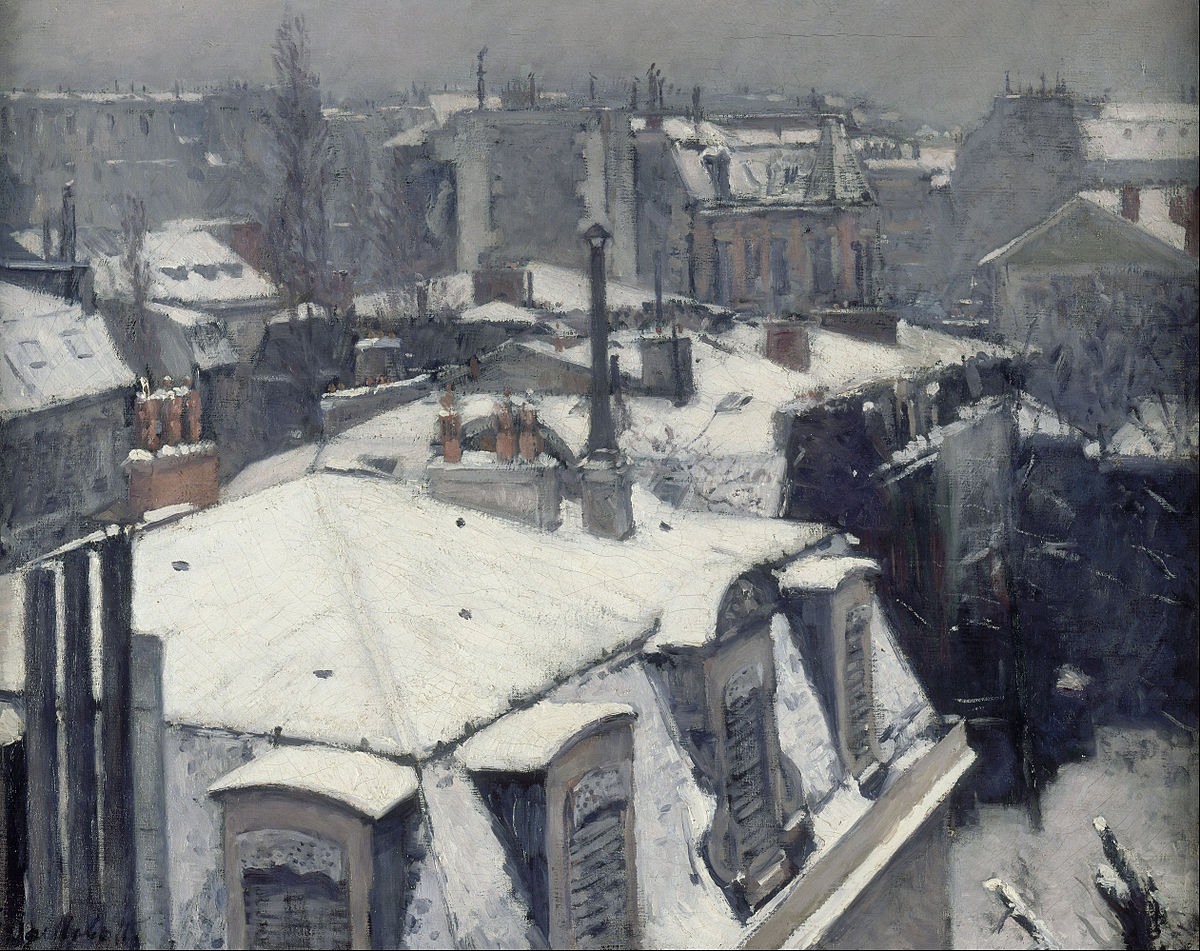
Zoe was assigned Gustave Caillebotte's Rooftops in the Snow (1878) to work with from the Orsay collection.

Zoe was assigned Gustave Caillebotte's Rooftops in the Snow (1878) to work with from the Orsay collection.

Give us some insight into your assigned artwork from the Orsay Musuem. After seeing the work in person in Paris (and any other related art from the same artist or art movement associated with the assigned work), what struck you most about it and/or how did the artwork’s form, content, and context shift for you when seeing it.

My assigned artwork is Gustave Caillebotte’s Rooftops in the Snow (1878), located in the Impressionism section of the Musée D’Orsay. It is known for being one of the less scenic, beautiful, and easily digested artworks, compared to the harbor, city and nature scenes that Caillebotte painted in his career. The photographic replication of Rooftops in the Snow was of a different colour scheme than my painting was in person, and that was the greatest shock to me. What seemed to be a gloomy, hazy blue and white atmosphere to me became one with harsh lines, high contrast, and full of purples and grays. The work was placed next to paintings by Degas, Monet and Renoir, with their loose brushwork and soft colours, while Caillebotte’s had strong lines, dark shadows, and stark, bright whites. This painting stood out strongly to me against a blur of others, maybe due to the fact that I had been studying it for so long, but the way that the snowy rooftops were captured looked nothing like its neighbors. In my opinion, these qualities made the work even more modern than its counterparts, and the photographic qualities of it were clear. While beforehand, I was not able to see why Caillebotte was included in the Impressionist group of painters, his traditional techniques yet unparalleled content made him innovative and “Impressionist” in a way unlike any other artist.

Zoe's final studio project in conversation with Caillebotte

Zoe's final studio project in conversation with Caillebotte

How did you approach the creative task of responding to this assigned work in studio? What were your challenges as an artist to be in dialogue with the artwork and artist? Would you do anything differently now that you have seen the work in person?

I scroll past images of gardens, sunsets, and parks on the daily, desensitized to them. The concept of capturing the everyday ephemeral and eternal beauty, the banal, was one that I had come across just prior to starting field school. Coincidentally, this was a concept that the Impressionists, along with writer and poet Charles Baudelaire, valued greatly. While they were asked to capture modern beauty, I asked the question, why are themes and images considered typically modern and beautiful rejected today in the contemporary art world? “Never say, ‘it’s pretty,’ or ‘I like it, it looks good’ in a critique,” is solid advice for a studio class critique, but why is that? With these questions in mind, I chose to explore the concept of bridging the gap between sculpture and painting. I was told before by a professor that paintings were not sculptures because they were restricted by frames, that they were flat, visual illusions and could be made to look like anything. As my personal way to challenge the institution as the Impressionists did, I chose to create two pieces that would break the frame by breaking the surface of the traditional board or canvas. By placing a sculptural structure within a painting depicting a banal scene to which we hold no more significance, I am able to both bridge the gap between mediums a little bit further, as well as force the viewer to contemplate the idea of superficiality and overconsumption of aesthetics and imagery.

After seeing the work in person, and having been more inspired by Caillebotte’s use of perspective and unusual angles, I hope to create more pieces within this series rather than change what I have already made. After my return to Vancouver, I plan to go plein-air and try to find an usually beautiful hidden location with unconventional perspectives to add to this series of multimedia works.

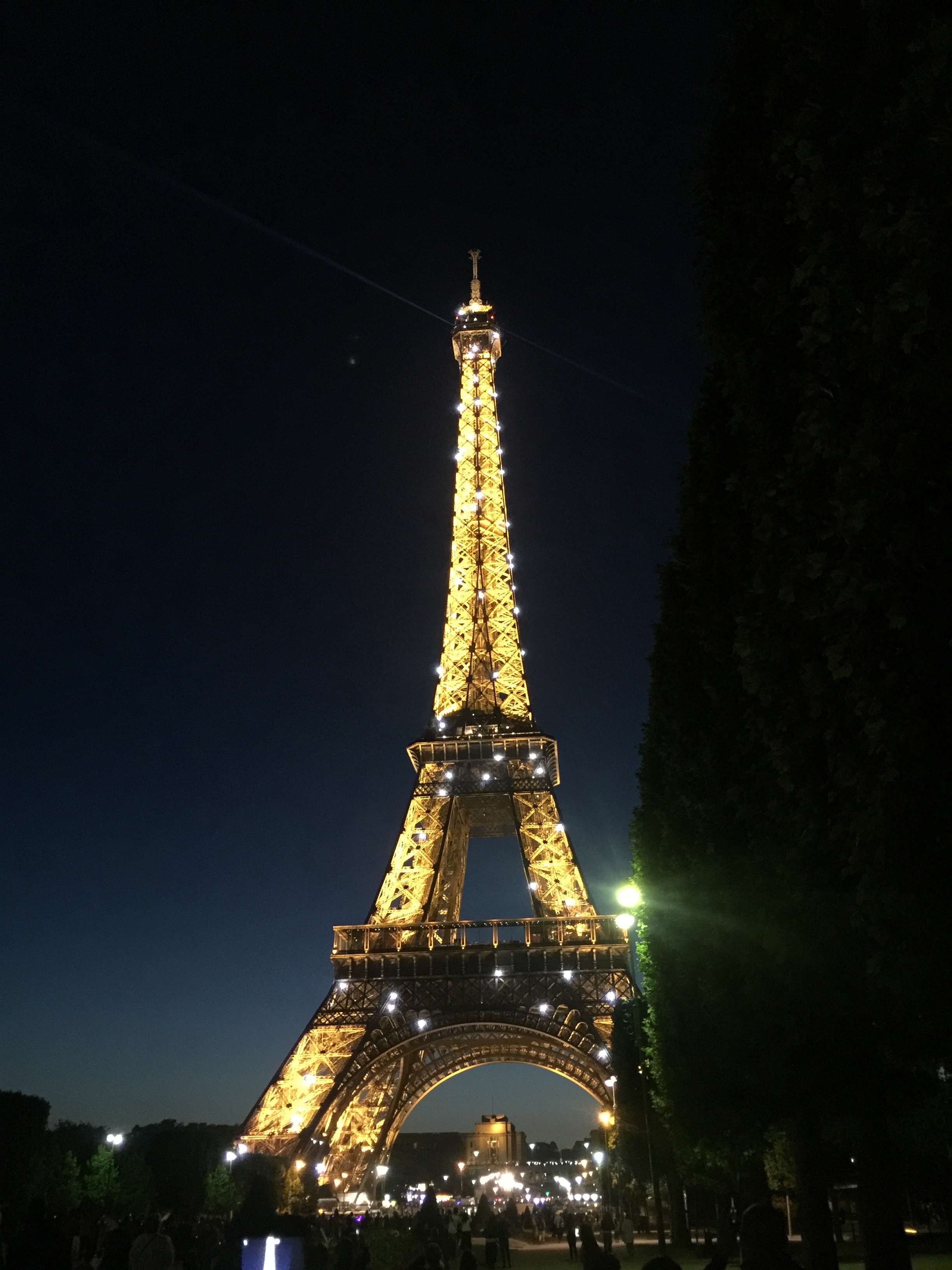
Enjoying the twinkly lights on the Eiffel Tower at the end of the bike tour.

Enjoying the twinkly lights on the Eiffel Tower at the end of the bike tour.

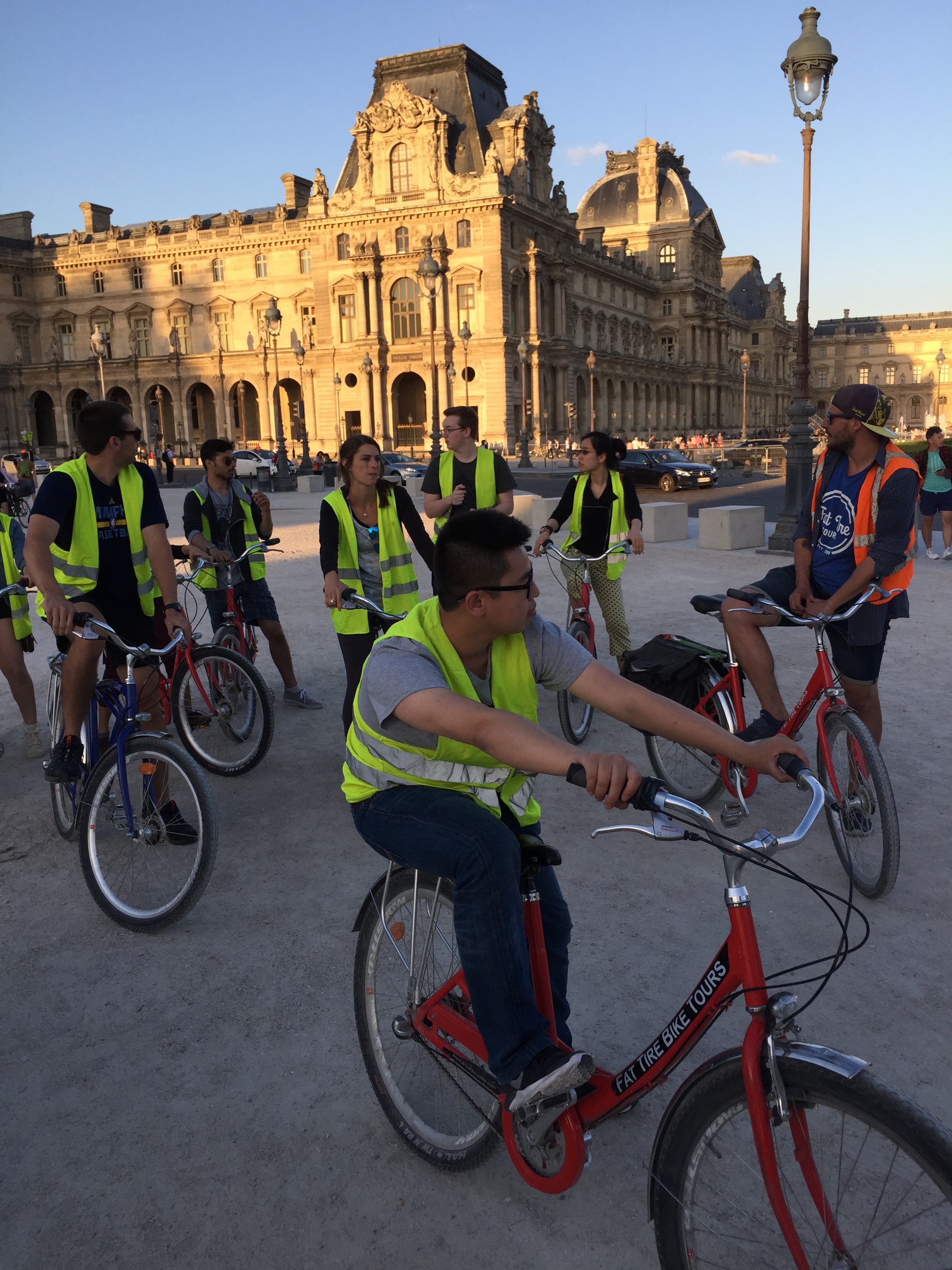
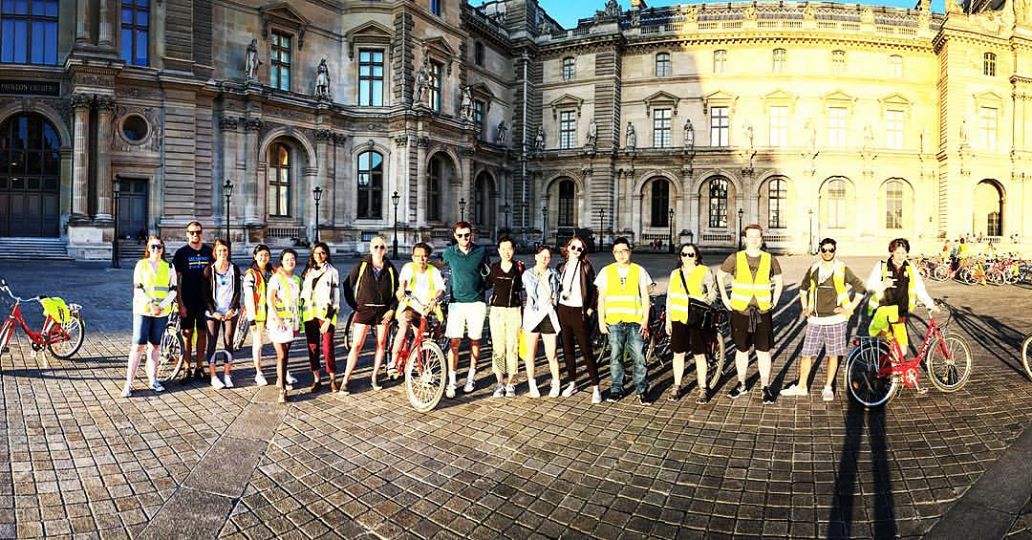
Group photo by the Louvre Palace on the sunset bike tour. Zoe is fifth from the left. 

Group photo by the Louvre Palace on the sunset bike tour. Zoe is fifth from the left. 

Today’s activity was a sunset bike tour through Paris. What were your impressions? What will you take away of the experiences of this day?  What are the most memorable moments for you?

Activities today consisted of a nighttime bike ride that started off with a scenic tour led by a guide through the streets of Paris. We wove through cobblestoned streets and past traffic on wide boulevards onto Rue Saint-Germain, into the Latin Quarter, past beautiful centuries-old churches, and then over the bridge onto the Île de la Cité, where the Notre-Dame cathedral is located. There, our group stopped for some gelato, and enjoyed the warm evening sun. Continuing on, we pedaled through the city onto the riverside of the Seine, where we then hopped on a boat which brought us down the river and then back up, allowing us to get up close and personal with famous Paris monuments such as the Alexander III bridge, the Eiffel Tower, the Musée D’Orsay as well as the Louvre.

To be honest, I found this activity to be entirely too touristy for my taste at first, as I prefer to travel as a local would, enjoying a café or picnic, art galleries and museums, or browsing some shops along the street of a particular area in the city. However, I found myself thoroughly enjoying the tour to my surprise. Although we had to wear bright yellow safety vests and travel in a large group, loudly announcing our presence to the locals around us, I no longer felt self-conscious after a while. It felt good to enjoy tourist attractions, to participate in some self-indulgent photo-taking and wine drinking on the Seine river, completely ignoring whether or not Parisians were disgruntled. Although we came across some hiccups and bumps, I truly did enjoy myself on this nighttime bike tour. It let me forget any self-awareness for a little while, and see Paris breezing by on a summer night, like a flaneur dragonfly speeding through the city.                              

To see more photos and impressions of Paris and Kassel as the field school continues, check out our Instagram feed #kpuparis                                                          

Comment
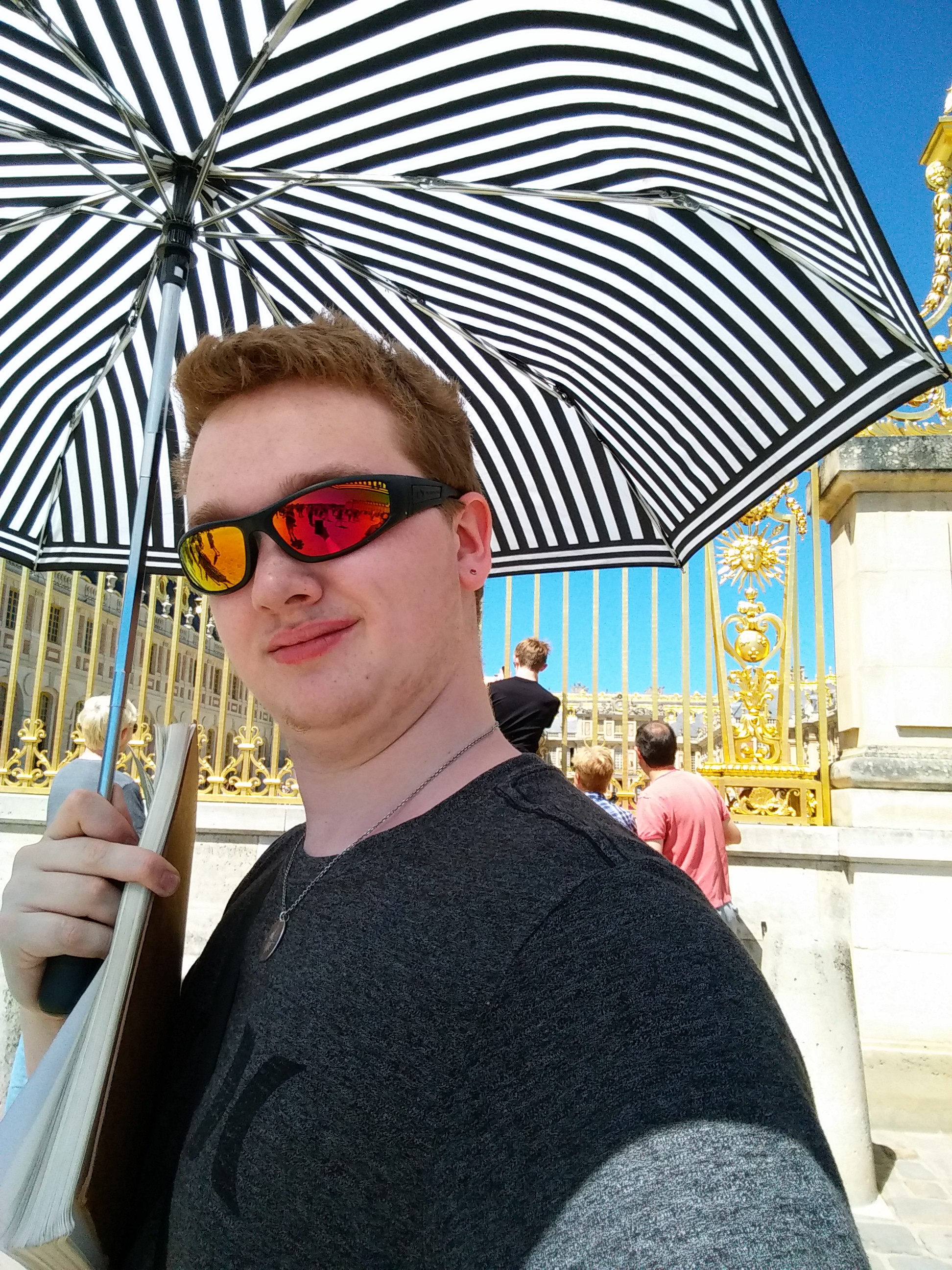
Cameron shielding himself from the hot French sunshine at the Palace of Versailles.

Cameron shielding himself from the hot French sunshine at the Palace of Versailles.

Location| Paris: Meet Field School Blogger Cameron Poland

June 20, 2017

Tell us a little about yourself- your background, major program of study, reason for taking this trip, and anything else interesting you want to share (maybe something people might not know about you)

I come from an all around family in Tsawwassen, BC, with no real outstanding artistic feats, but more along the lines of business, but even so, I am inspired by the more artistic side of life, more along the lines of sketch or classical art. My major program of study is in the Fine Arts Department at Kwantlen Polytechnic University since 2016, aiming to obtain a Bachelor of Fine Arts, and major in the subject of Digital Media. This is my first time travelling out of Canada, giving me a whole new perspective on art in other countries, and one of the main reasons that I wanted to join on this adventure would be because of the fact that I had not seen art up close, like at the Louvre or Versailles Palace, so travelling to these places has given me the chance to actually experience these masterpieces up close and personal. And finally, the chance to see one of the greatest art shows, Documenta, for the first time was something that I could not afford to miss, like so many other students that are joining on this voyage.

One other fact would be that my favourite museum that we have visited thus far would be between three of them, the L’Orangerie, the Orsay, or the Louvre because of the different forms of art that they have on display. The Louvre had all sorts of older forms of art, like Egyptian and Roman, to French art. As for the L’Orangerie, there were more paintings by Monet and other Impressionist artists like Degas or Cezanne, as well as some other artists like Picasso’s model art. And finally, the Orsay was the home of most Impressionist art pieces, for example, Manet’s The Luncheon and other fantastic works of art.

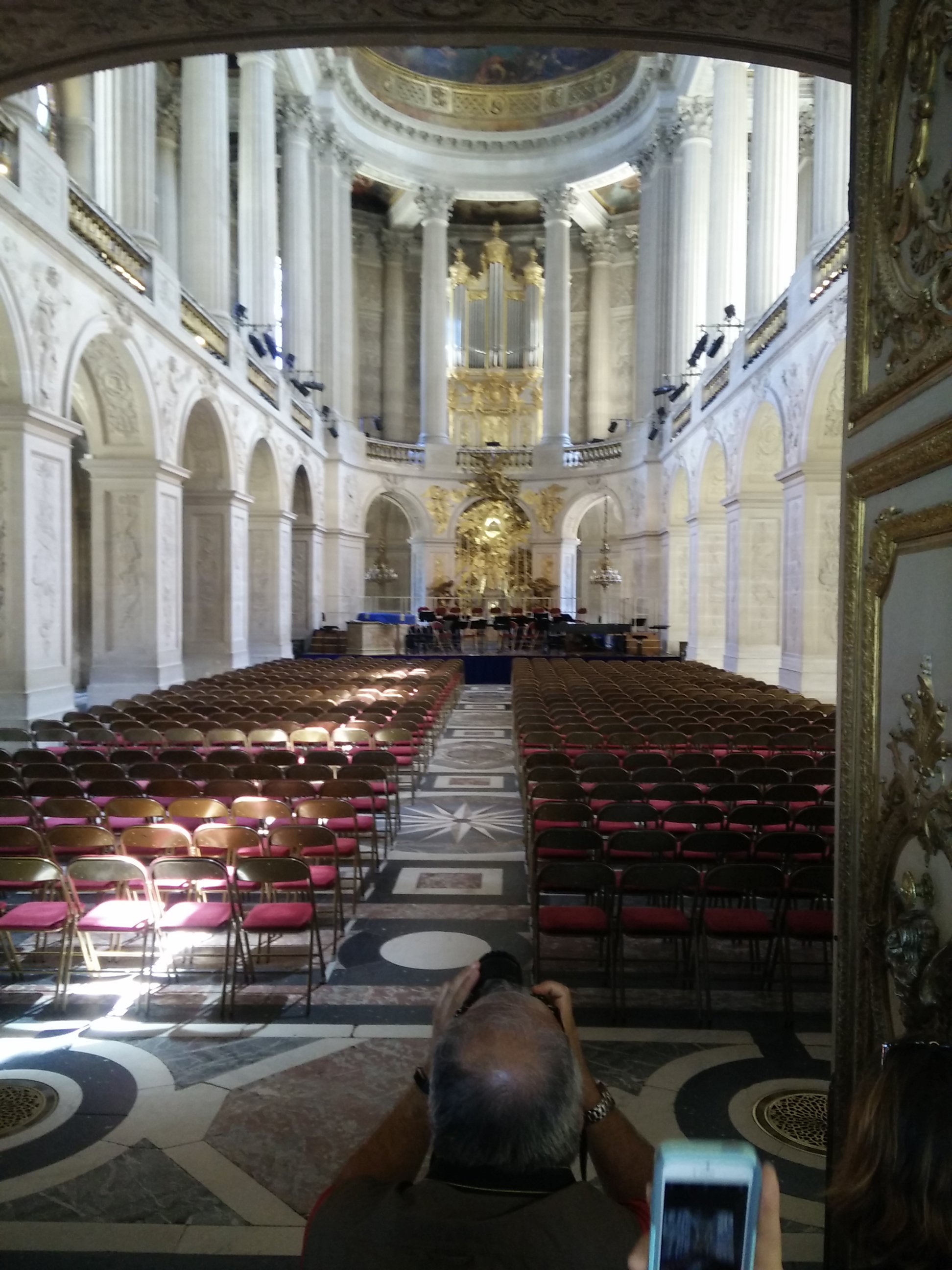
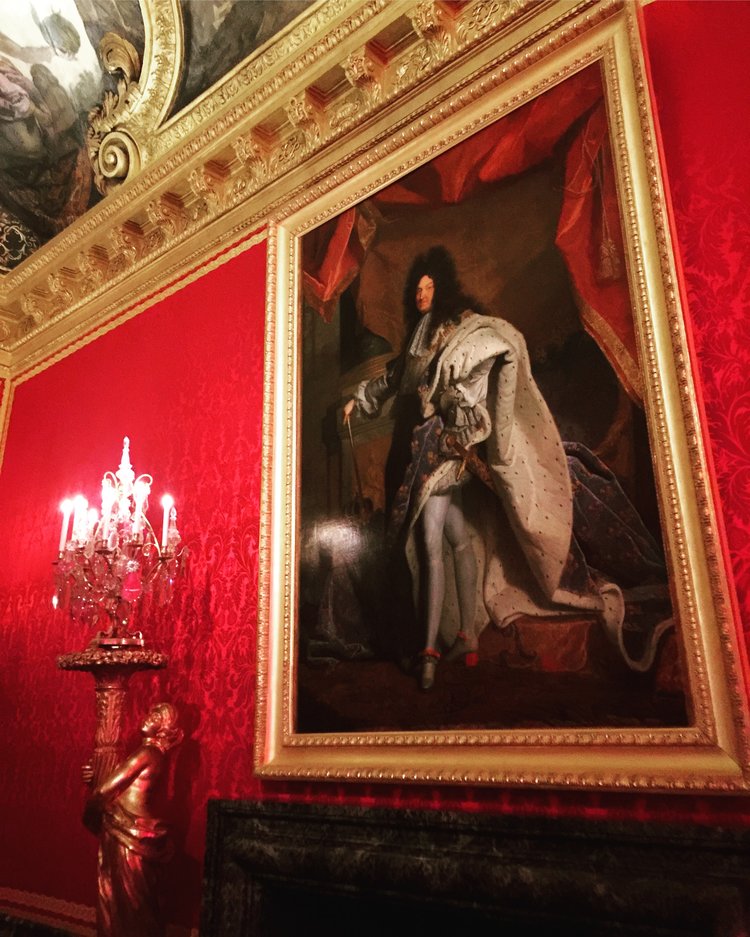
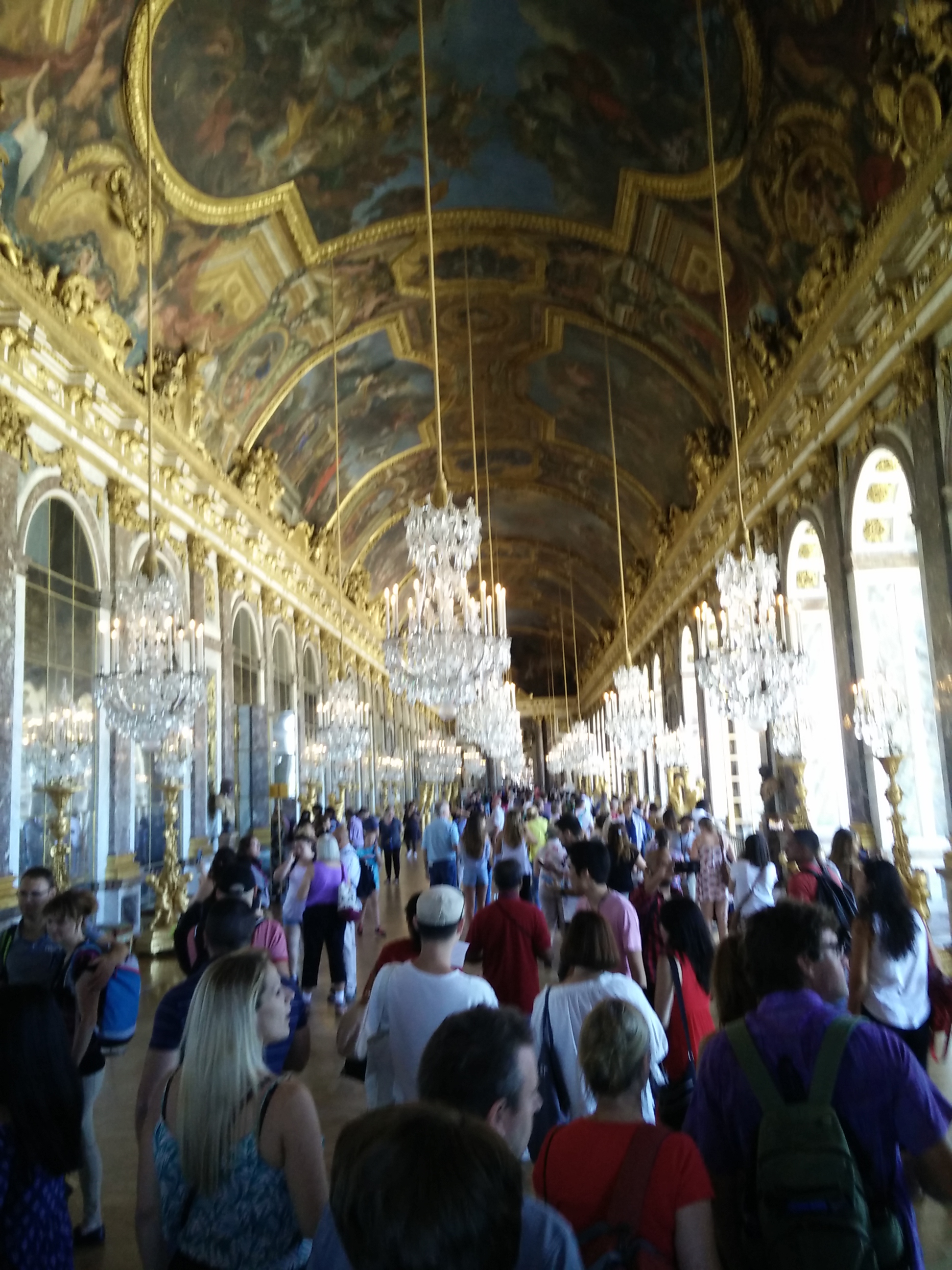
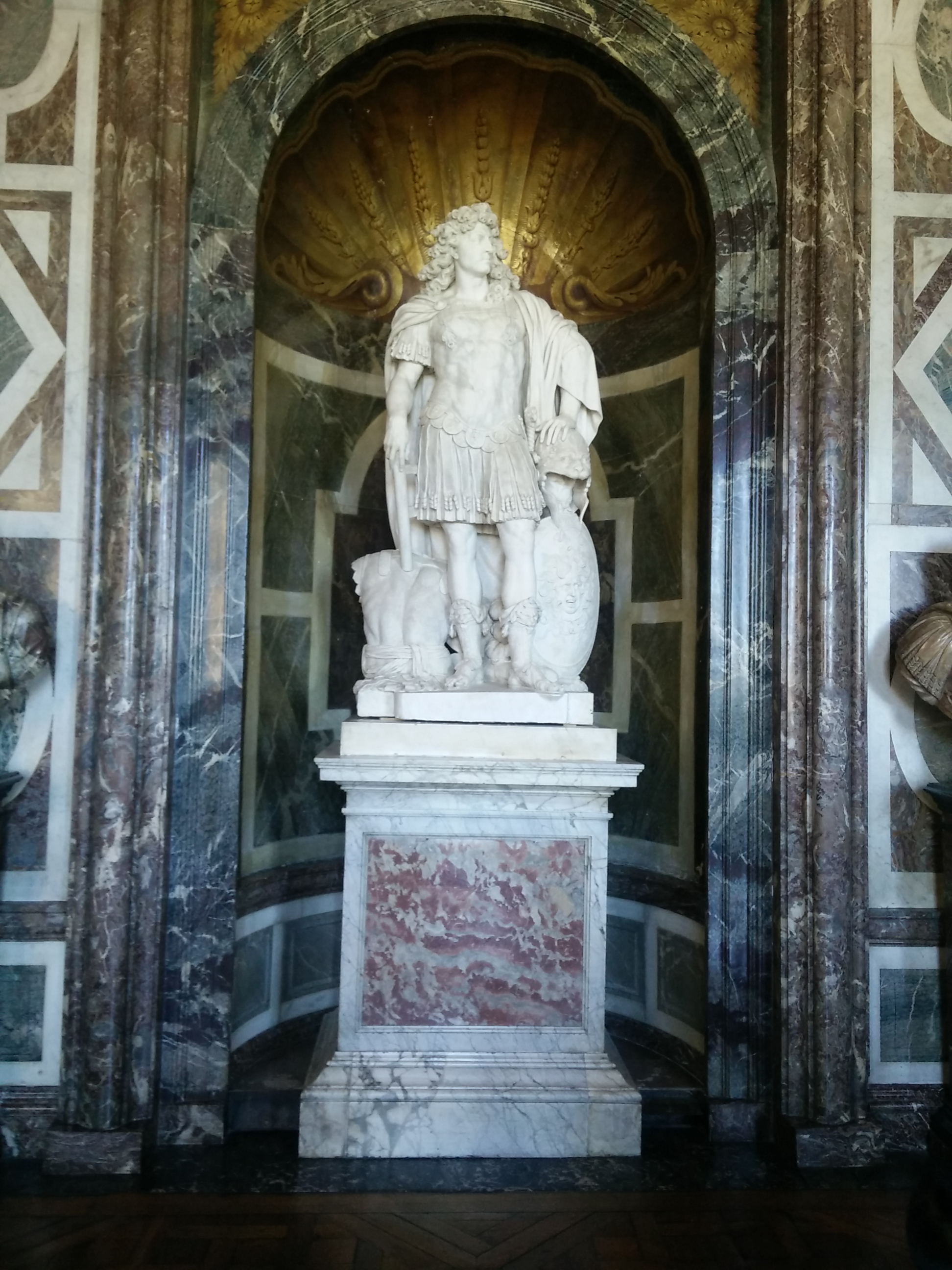
Our group did a day trip to the Palace of Versailles to visit the home of Louis XIV.

Our group did a day trip to the Palace of Versailles to visit the home of Louis XIV.

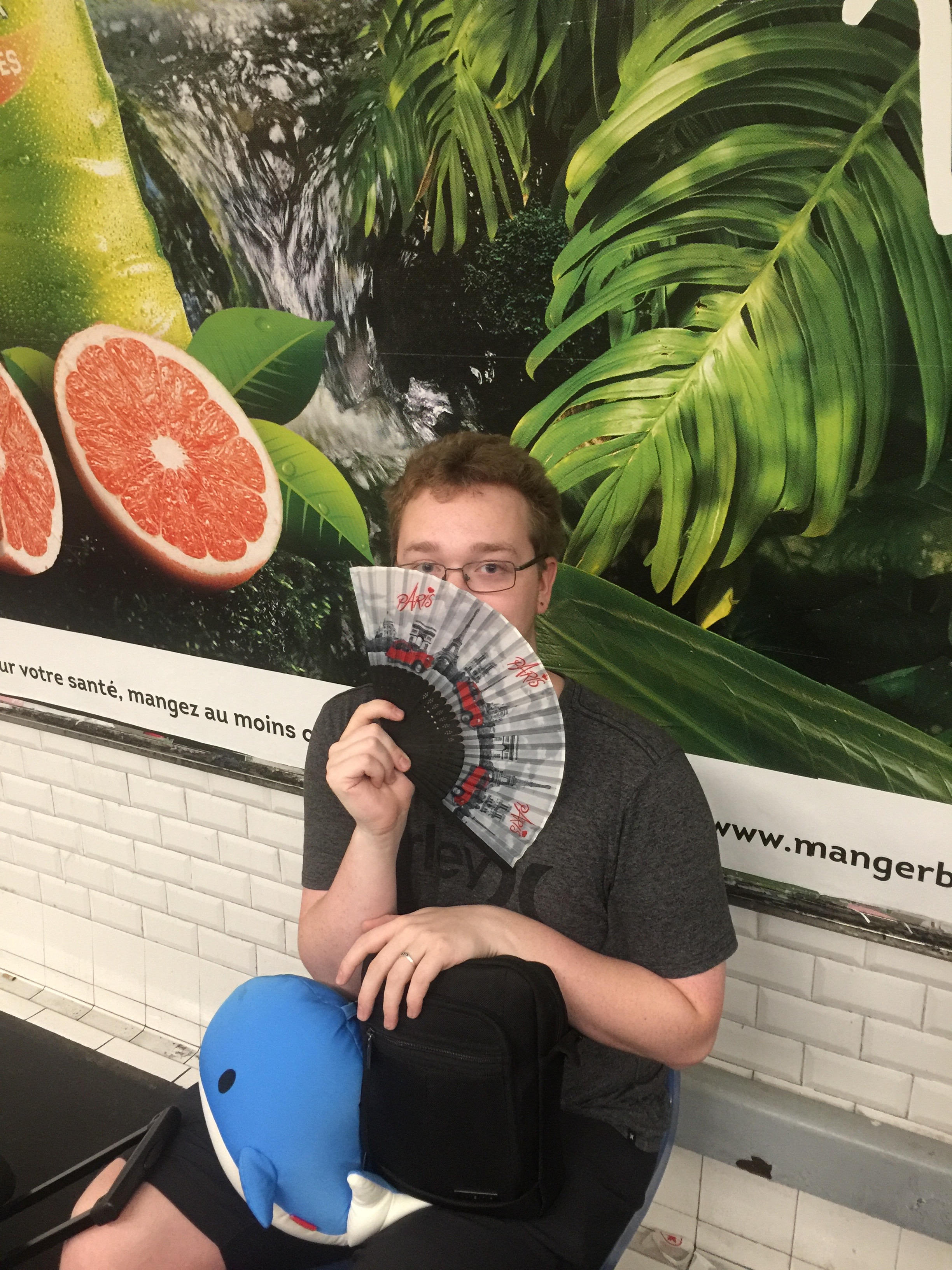
Cameron beating the summer heat in Paris :) 

Cameron beating the summer heat in Paris :) 

What has met or exceeded your expectations or surprised you about Paris so far?

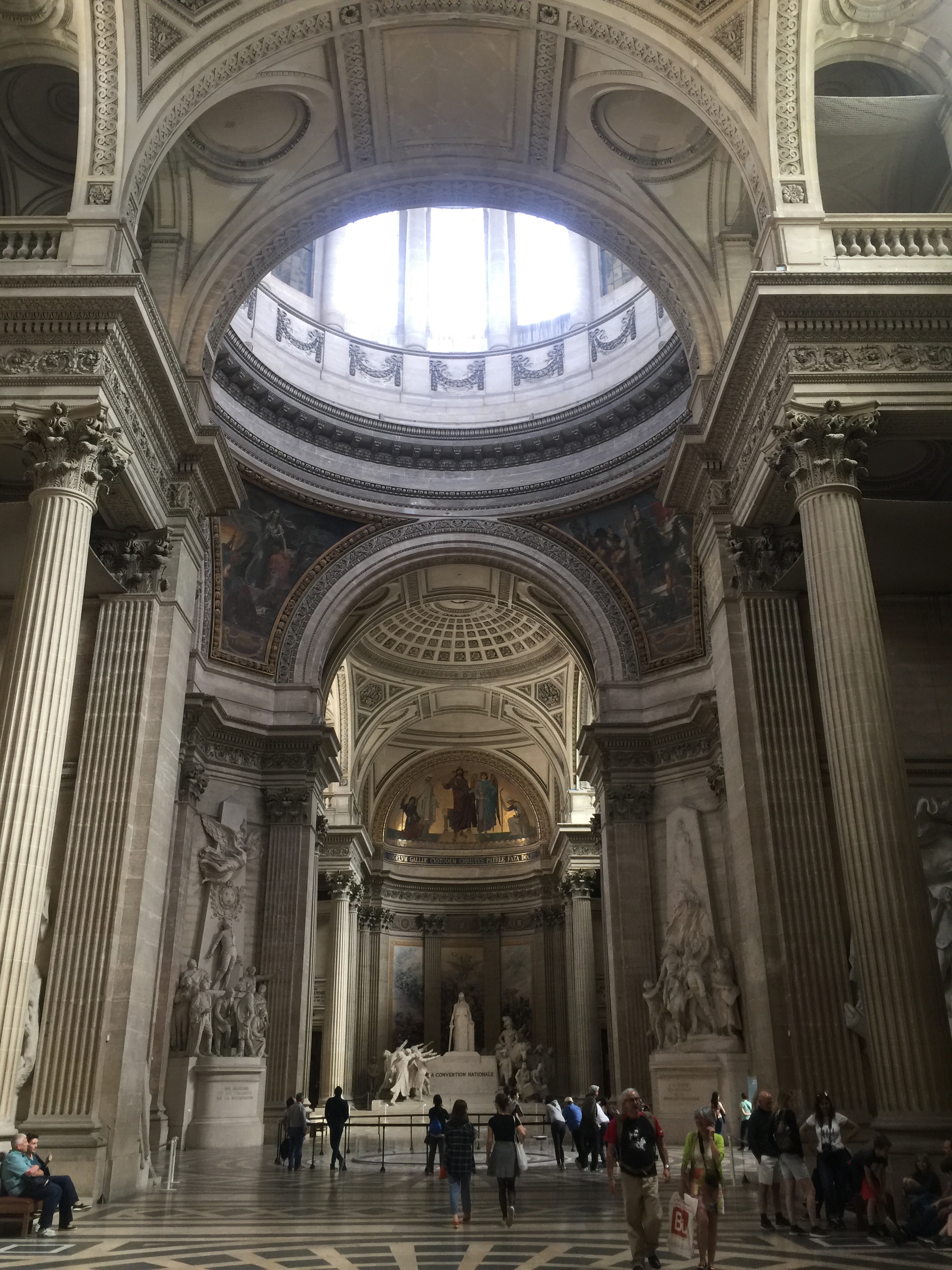
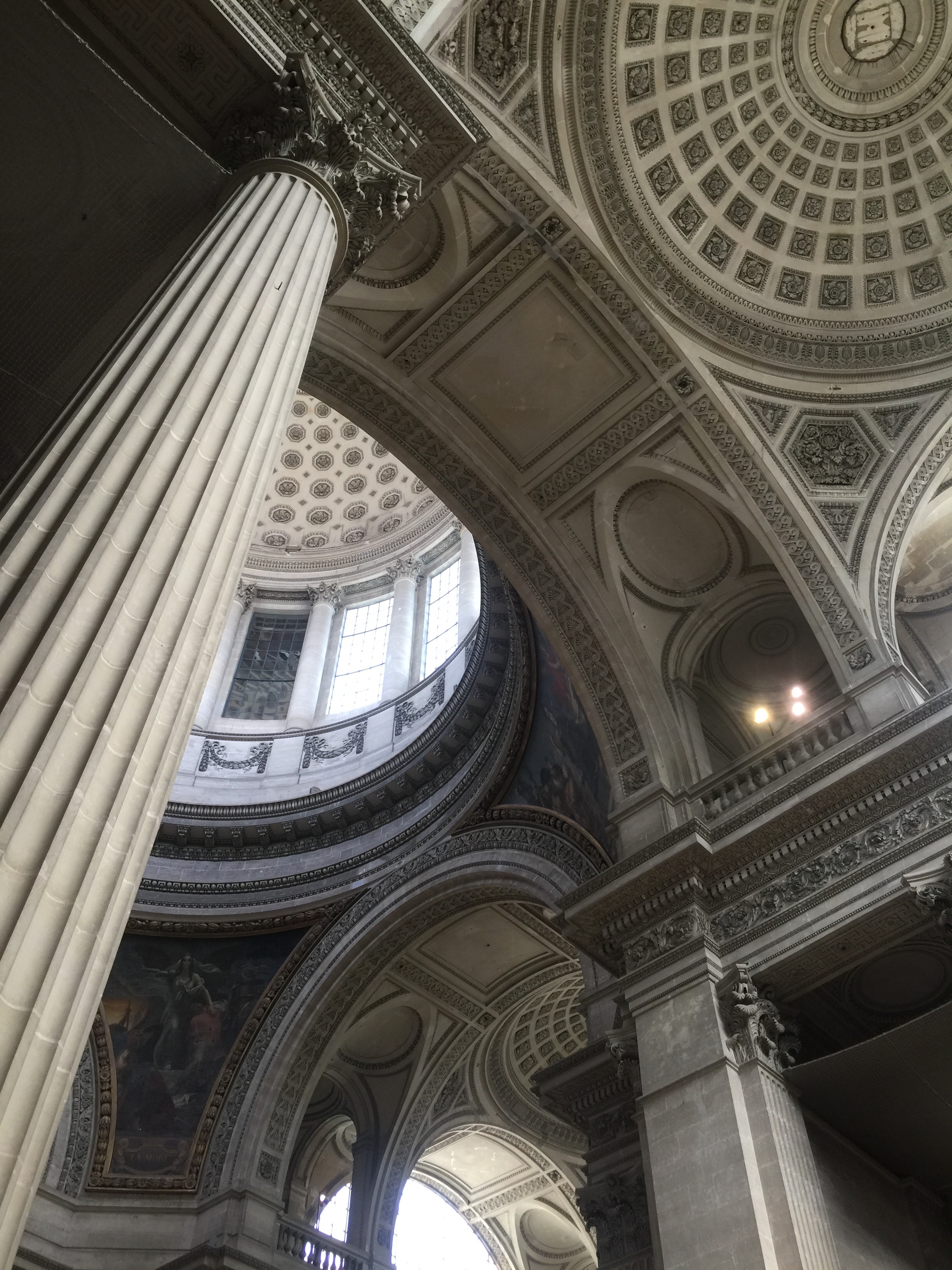
After my first few days in Paris, I would honestly have to say the transition from my usual way of living in Canada to how everyone in Paris lives is quite dramatic, from how Parisians act on the streets to how they respond to someone from outside of Paris, for example, the fact that some cafes in Paris will deny service. What exceeded my expectations from the start would be the Pantheon, just stepping into the Pantheon is awe inspiring and hard to turn away from. The architecture, to the decor of the Pantheon, draws the eye in and forces you to stand in amazement of what the people of Paris had done when they first constructed it, from the pillars, to the coffers, and to the statues, everything about the Pantheon was breathtaking.

Our hotel, the Aparthouse Adagio Paris Buttes Chaumont is only a few minutes from the metro, making travel around the city incredibly easy to navigate, plus the neighbourhood surrounding the hotel is pleasant—there’s the local bakery with freshly baked goods, and the wine store that sits close to the church near the metro station. Moreover, most places are only a short walk away, so even if you could not get on the train, you can still walk to wherever you want to go in a short amount of time.

Cameron was assigned Claude Monet's The Railroad Bridge of Argenteuil (1874)

Cameron was assigned Claude Monet's The Railroad Bridge of Argenteuil (1874)

Give us some insight into your assigned artwork from the Orsay Musuem. After seeing the work in person in Paris (and any other related art from the same artist or art movement associated with the assigned work), what struck you most about it and/or how did the artwork’s form, content, and context shift for you when seeing it.

My assigned artwork is Monet’s The Railroad Bridge of Argenteuil (1874) and upon seeing it at the Orsay museum, I could see some extra details that I could not see in a printed copy. For example, the fact that I could see how the brush strokes were applied and that the bottom part of the work had a slight blue tinge to it, signifying that the water underneath the bridge is reflecting some light onto the bridge. What struck me the most in this painting was the concept of the bridge colliding with the natural landscape, and one thought I had in mind for the train was that it could signify that a loved one of the artist, Monet, could be on the train, leaving the safety of their home, that they had grown accustomed to, and entering a world that is unfamiliar, merciless, and deceitful.

Another interpretation would be that the bridge is an invasive force, trying to consume as much of the natural background as it can. For example, how the bridge itself seems to overlap the background or how the smoke from the train looks to be contrasting with a beautiful blue sky with its dark grey tone

Cameron's final studio project in conversation with Monet.

Cameron's final studio project in conversation with Monet.

How did you approach the creative task of responding to this assigned work in studio? What were your challenges as an artist to be in dialogue with the artwork and artist? Would you do anything differently now that you have seen the work in person?

How I connected my first assignment to the work I am doing now was not easy. In fact, it was a little difficult since the work is not aligned with the way I usually draw. My original project before we left was inspired by Martin Ramirez’ Trains and Tunnels series, and my original idea was to relate to everyone who is experiencing problems on both sides of society, both higher class and lower class, and in the middle was meant to represent the pressure that both sides give off, if you could not meet the expectations of the public opinion, then you will be shot down and disowned. Now that I have seen Monet’s piece in the Orsay, and heard the critiques of my piece, what I would have done differently in my assignment would be how I would have applied the colour because when I applied the watercolour, I failed in adding a sense of depth to it, making the piece itself seem flat and lifeless.

IMG_2781.jpg
IMG_2785.jpg
IMG_20170610_125603.jpg
download.jpeg
IMG_20170610_130341.jpg
IMG_20170610_130519.jpg
IMG_20170610_125952.jpg
IMG_20170610_125623.jpg
IMG_2781.jpg IMG_2785.jpg IMG_20170610_125603.jpg download.jpeg IMG_20170610_130341.jpg IMG_20170610_130519.jpg IMG_20170610_125952.jpg IMG_20170610_125623.jpg

Today’s activity was located at the Versailles Palace. What were your impressions? What will you take away of the experience of this day? What are the most memorable moments for you?

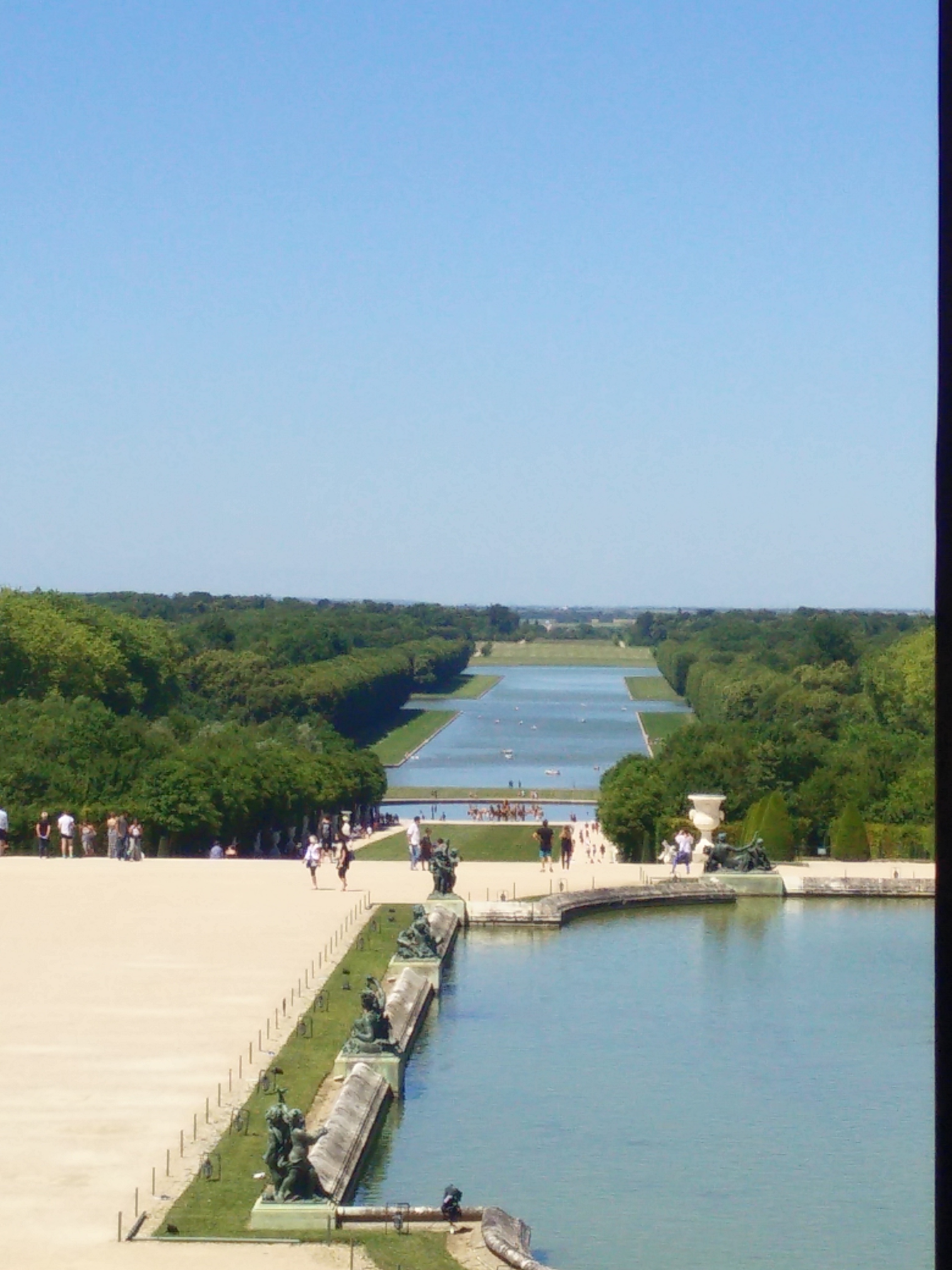
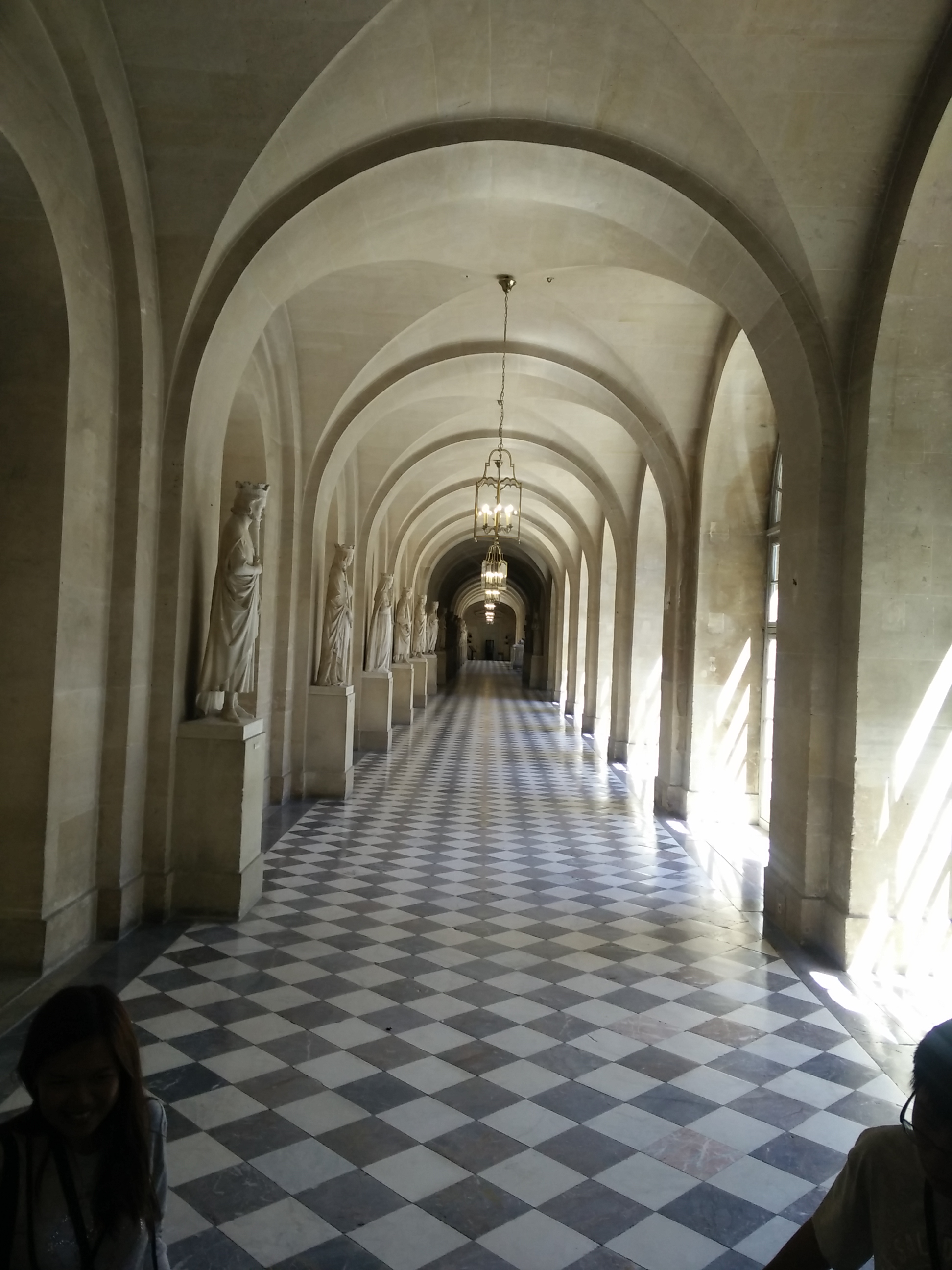
The Versailles Palace and Garden were spectacular and above all had a very present sense of regality—it was easy to see why Versailles was one of the most popular attractions of Paris. My first impressions of the outside of the palace was wonderment, but more importantly, intimidation due to the fact that the palace once housed the very king of France himself, King Louis XIV, which is more than enough to make me a little apprehensive, plus the amount of armed guards around gave me a sense of unease. As for the interior, it felt that we were walking and seeing through one of the servants that served the king, observing many different section of the king’s chamber, the long corridors, and the places where the King spent his time. When it came time to observe the garden of the palace, the extravagant view was wonderful and the expansive view of the gardens length was breathtakingly long, a total of 800 hectares. It is said that the gardens were made for the amusement of the King, reminding him of how much power he held before his passing, and that is exactly what I experience as I look out from the King’s chamber.

To see more photos and impressions of Paris and Kassel as the field school continues, check out our Instagram feed #kpuparis

Comment
Meet budding art historian and incoming UBC MA student Alice Wang.

Meet budding art historian and incoming UBC MA student Alice Wang.

Location| Paris: Meet Field School Blogger Alice Wang

June 19, 2017

Tell us a little bit about yourself—your background, major program of study, reasons for taking this trip, and anything else interesting you want to share (maybe something people might not know about you).

I am an incoming Master of Arts student in Art History at the University of British Columbia with an undergraduate degree in anatomy and cell biology. I decided to pursue art history after four years of life sciences and laboratory research after having discovered it through elective courses. I liked how art history offered a different way of relating to the world, how it was able to derive information beyond relying on data points and thereby, exercise a greater range of human faculties. While I understand the limitation and crudeness of science, I will always uphold it for doing the grunt work it takes to unlock information about the natural world inaccessible by other means.. My MA research interest therefore seeks to reconcile science and art by expanding art historical discourse through the inclusion of scientific knowledge. Through this Field School I hope to be inspired, to find an instigation where science merges with art to productively contribute to a discourse. So far, I have been blown away by the Palaise de Tokyo’s exhibition Le Reve des Formes where there was a strong interest in confluencing art and science. I am also inspired by the many residency opportunities in Paris where “residency” is actually called a “laboratory!” I have similarly walked by galleries called “Writing Laboratory,” “Le Laboratory,” and “Drawing Laboratory.” I LOVE THIS TERMINOLOGY. To acknowledge that art has always been experimental, that it is an endeavor of chance meaning-making is a mentality of refreshing honesty.

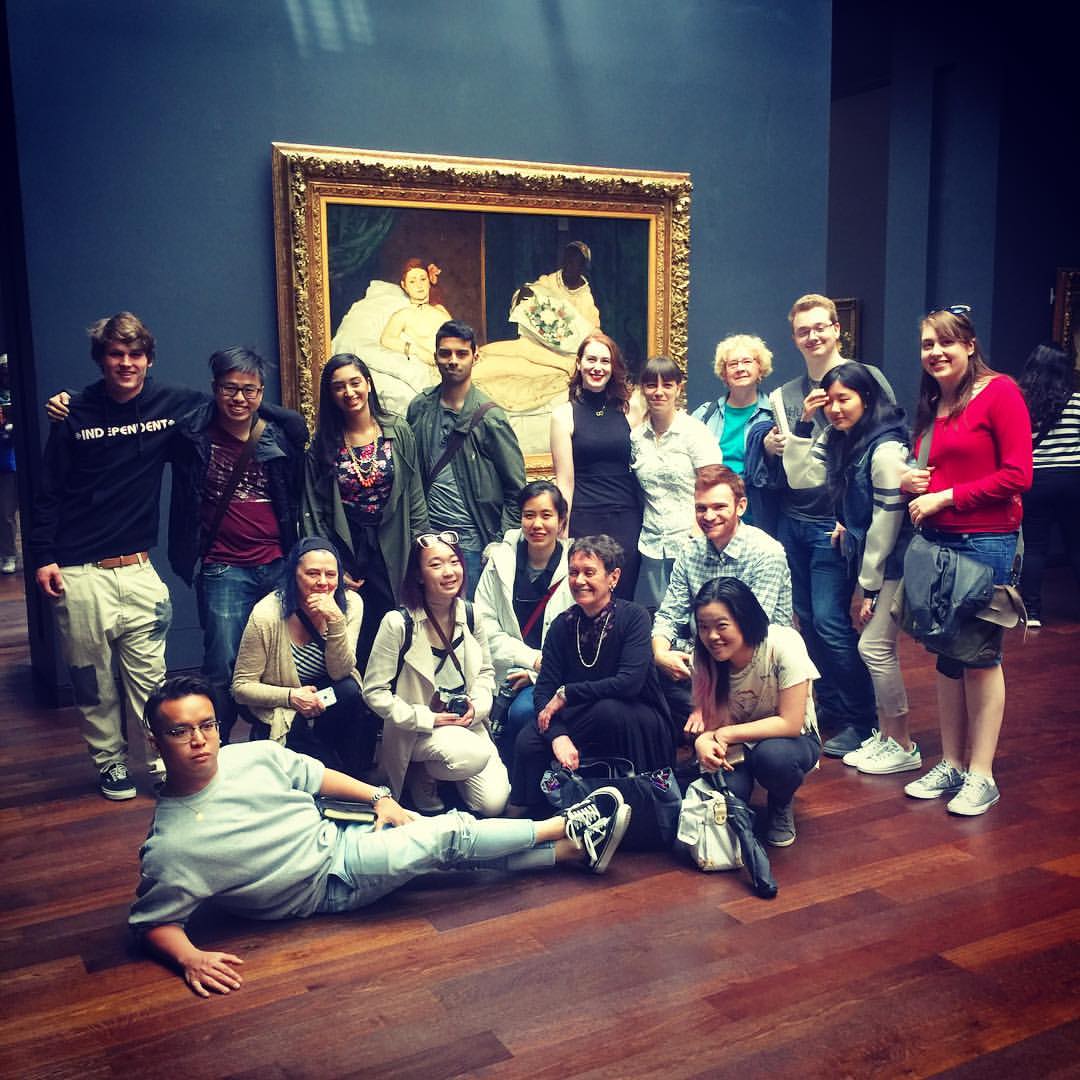
Alice (center) and field school students pose in front of Manet's iconic Olympia (1863) at the Orsay Museum.

Alice (center) and field school students pose in front of Manet's iconic Olympia (1863) at the Orsay Museum.

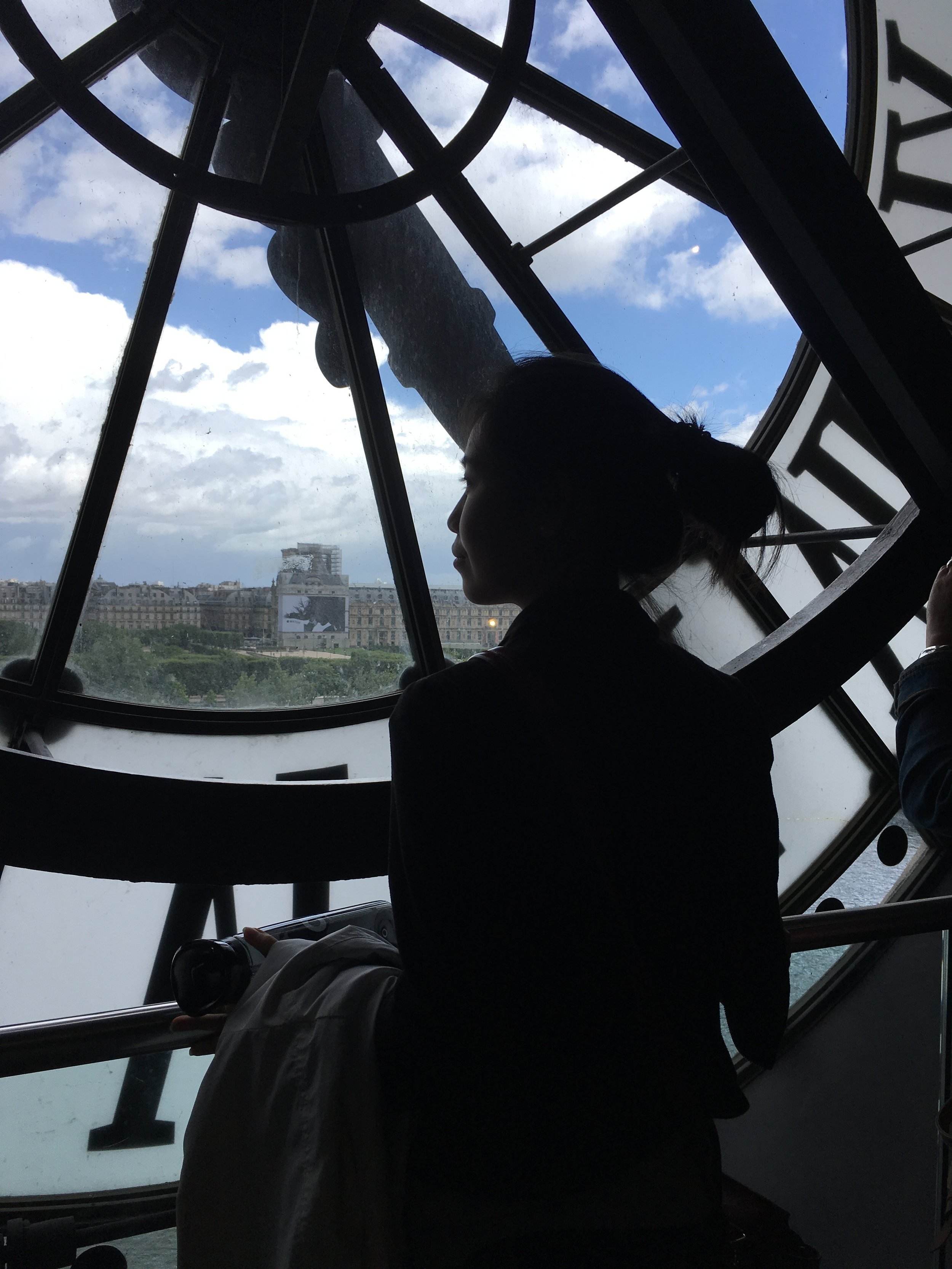
Alice in silhouette looking out onto to the Seine river towards the Louvre from the behind the famous Orsay clock. 

Alice in silhouette looking out onto to the Seine river towards the Louvre from the behind the famous Orsay clock. 

What has met or exceeded your expectations or surprised you about Paris so far?

I was surprised by the degree of conviviality between French Canadians and local Parisians. I grew up in Quebec so I speak with a strong hint of French-Canadian accent. I also completed my undergrad at McGill University, further galvanizing my dialect. Whereas the Parisian French is a more modernized, evolved language, the Quebecois French is a rural, old version of the language from colonial time. From a young age, I had always found the Quebecois accent to be embarrassingly provincial. Coming to Paris therefore I was very self-conscious about how I spoke. Half of my energy went into suppressing the accent and feigning to be a local. While my Anglophone colleagues might find it advantageous that I speak at least a variation of French, I curse the grass on the other side because sometimes I wish I knew no French at all rather than a red-neck version. To much of my dismay, the locals saw right through my disguise. The first thing that the Sennelier shopkeeper said to me was: “Vous êtes Quebeçoise!” At the L’Orangerie, the security guard asked me if I was Canadian when I spoke to him. From these encounters, I find myself increasingly interested in elucidating what the French thought of Quebeckers; perhaps my insecurities were unwarranted. On one afternoon at the Tuileries garden, a francophone friend and I talked for almost two hours with a local Parisian about the history of France and Canada, about the French’s general perception of Quebeckers (“They are our cousins…our Americanized cousins.”) Ah, if only there was more exchange between France and Quebec! If only the motherland realize how much her enfant terrible prides itself on its French roots—its valorization of art and culture, its good food and way of life—she would have been proud.

At the Palaise de Tokyo I met a tour guide who exuded an unyielding, uncompromising Quebecois accent. The ease and pride with which he spoke was, in the strangest way, empowering for someone who is trying to strike a balance between assimilation and individuality. After two weeks in Paris, I have come to accept that childhood accents are unforgivingly permanent. They will thwart any attempt of forgery, forcing me to appreciate things that I cannot change. During a time where nationality bears heavy connotation, being evidently a French-Canadian, turns out, is a responsibility I need to uphold.

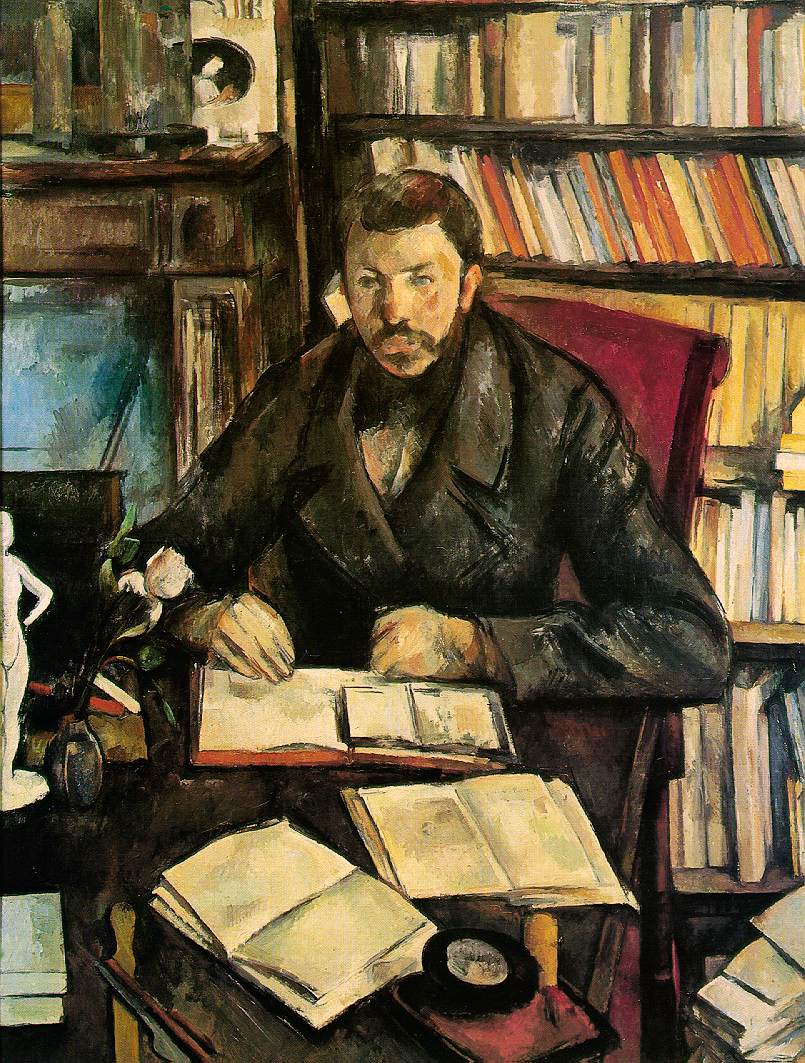
Alice worked with Paul Cezanne's Gustave Geffroy (1895-96) in both her art history and studio classes.

Alice worked with Paul Cezanne's Gustave Geffroy (1895-96) in both her art history and studio classes.

Alice was fortunate to see her painting (on the right wall) in a special Cezanne portraiture exhibition.

Alice was fortunate to see her painting (on the right wall) in a special Cezanne portraiture exhibition.

Give us some insight into your assigned artwork from the Orsay Musuem. After seeing the work in person in Paris (and any other related art from the same artist or art movement associated with the assigned work), what struck you most about it and/or how did the artwork’s form, content, and context shift for you when seeing it.

The first thing I need to clarify is that I had visited the Orsay Museum twice because my painting was not available the first time I visited it and I had to return to the museum a week later. I will however not complain about having to stand in line all over again because not only do I feel extremely luck that was my painting—Cezanne’s Gustave Geffroy (1895-96)—was available to be viewed, it was part of a special exhibition called Portraits by Cezanne (June 13-September 24, 2017). The exhibition united all the major portraitures painted by Cezanne with Gustave Geffroy being one of the largest ones he ever did. It was the most opportune way to study the specificity of the work while contextualizing it within a broader context of Cezanne’s figurative output.

Gustave Geffroy was an art critic who had written in support of Cezanne. The artist, in turn, has offered his portrait and despite two months of work, left the painting unfinished. In the portrait, Geffroy sits at a desk with textless books open in front of him. The overly large bookcase and furnace behind him appears compressed against his back, conjuring a sense of claustrophobia. There is a distortion of perspective: the desk and chair rotates to the left; the sitter appears frontally; books appear through an aerial view. In the digital reproduction of the painting, the colors appear deceptively mute. In person, I was taken aback by the prominent use of warm colors, and in particular, of the color red. The edges of his books were blood red; there were red pencils, red ink pads, red markers. The seat under him was red; the back of his chair, deep magenta. The rows of books on the shelf adjacent to his head bore varying degree of orange, creating a sense of warmth that contrasted sharply with the coolness of the mauvish-blue fireplace. In comparison to Cezanne’s other portraitures, Gustave Geffroy harbored the most bountiful collection of objects and colors.

None of the formal dynamicism translated into iconography of the sitter’s expression. Like most of the portraitures by Cezanne, Gustave averts his gaze. While Geffroy appears pensive, it can also be argued that he stares into oblivion. I had expected the painting to be more soulful in person than in reproduction and was disappointed to find it to be equally lifeless as the reproduction. He did not bear the express of boredom or apathy; he was simply expressionless. It was as if his face was frozen, that it was still in the stage of becoming. If I had not seen the other portraitures by Cezanne, I would have assumed that this was simply the offshoot of an unfinished painting, that true to primary sources, he had abandoned the painting after two months of work, leaving the face and the hand for particularly premature.

Studying Gustave Geffroy in the context of his figurative paintings seems to suggest a consistent degree of lifelessness in his portraiture. The exhibition, for example, ends with the last self-portrait he did were the expression was equally frozen. To give credit when credit is due, the audio guide for the self-portrait made the observation that the eyes of the figure were painted with indistinguishable iris and pupil. Looking back at Gustave Geffroy, I realized that indeed the eyes are painted in an oddly life-negating manner. The sclera appears dark grey; it darkens into the iris and blends into the void of the pupil. The lack of clarity subverts the notion of translucence that characterizes not only the anatomy of the eyes but of life itself. The figure, while present, is dead. Gustave Geffroy is not a portraiture, it is a still-life.

IMG_1375.JPG
IMG_1365.JPG

How did you approach the creative task of responding to this assigned work in studio? What were your challenges as an artist to be in dialogue with the artwork and artist? Would you do anything differently now that you have seen the work in person?

Inspired by both Cezanne’s Gustave Geffroy and Walter Benjamin’s call to study the “refuse of history,” I sought to replicate the physical environment of the painting based on how it was normally hung at the Orsay Museum. The frame and wall were recreated in a miniaturize version with a hamster wheel inserted into the assemblage as a nod to Duchamp and his exploration of institution critique through ready-mades. Seeing the painting’s renewed location in the Portraits by Cezanne exhibition underscored how strategic placement contributes to narrative for me.

In its normal placement, Gustav Geffroy flanks the doorway of an Impressionism room with another large-scale portraiture by Cezanne entitled La Femme à la cafetière (1895). In the catalogue to the exhibition, the paintings were discussed in conjunction, although a clear bias was given to the art critic than the woman who was to become his wife. Seeing La Femme occupying a wall island in the central axis of the second-to-last room was therefore very exciting for me. I expected to see my painting on the opposite of it, thereby also occupying a prominent, albeit floating, presence in the room. To much of my disappointment, it was a small, unfinished oil study hanging on the other side—that of my colleague Lucas Paul’s Le Joueur de cartes (étude) (1890-1892). My painting, which by all expectation was a foil to La Femme, hung unremarkably on the wall in the room along with other portraiture. Upon closer inspection, however, I noticed that the walls were painted with alternating regions of yellow and grey. The colors were demarcating sections of the wall, creating a visual categorization among the works. Gustave Geffroy occupied a region of grey among two sections of yellow; it shared the region with Cezanne’s portraiture of his dealer Ambroise Vollard. One cannot hear a more blatant call for a comparison than standing in front of two paintings united by the same wall color in a room with alternating with visual sectionality.

To venture some guesses, I would argue that several connections can be drawn between Geffroy and Vollard. Both were supporters of Cezanne’s works where critical acclaims and financial success shared a symbiotic relationship. Both portraits are unfinished, with the hands and the faces particularly inchoate. And while Cezanne’s relationship with Geffroy eventually soured, he remained faithful to his dealer, even writing to him to express his most critical opinion of Geffroy. The pairing of the two paintings creates a visual dichotomy that instigates a particular construction of biography. Consistent with the idea of institutional critique that I explored in my artwork, the structure of the exhibition—something as benign as wall color—contributes to the meaning of the works. The derivation of art historical knowledge is not organic to the work but forged through myriad of micro and macro-contextualization in which the format of display plays a critical role.

IMG_1712.JPG
IMG_1711.JPG
IMG_2654.JPG
IMG_2708.JPG
IMG_2585.jpg
IMG_2588.jpg
IMG_1712.JPG IMG_1711.JPG IMG_2654.JPG IMG_2708.JPG IMG_2585.jpg IMG_2588.jpg

Today’s activity was located at the Orsay Museum. What were your impressions? What will you take away of the experiences of this day?  What are the most memorable moments for you?

Since my two visits at the Orsay Museum were separated by a week’s time during which I recovered from my jetlag, my first and second impression of the museum was very different. In both visits, I had gone in expecting to experience the monumentality of the works, to contextualize the physicality of the paintings I have studied. Seeing Gustave Courbet’s Burial at Ornan (1849-50) during my first visit was an immersive experience. I did not expect it to be nearly as large. The constant scurrying towards and away from the painting turned the work into a portal through which I played tug of war with the artist. The movement exacerbated my jetlag-induced vertigo, inadvertently affording the composition a hallucinatory dynamism. 

During my second visit to the museum everything was much more stable. I did not feel overwhelmed by the sculpture-filled central aisle which, during my first visit, had felt clustered like a craft fair. I appreciated the luminosity of the glass rooftop; the remnant signs of the former train station also was a poetic reminder of human ingenuity in both its construction and its reappropriation. I loved the large clocks that adorned the place. They add an interesting temporal element as I traversed centuries of human history in a matter of hours. Drawing a continuity between the past and the present through emphasizing the liquidity of time, the clocks reverberate with a call to action: “You’ve understood where we come from now, where will we be going now?”

After the Orsay, we stopped by a historic art supply store called Sennelier. If Hogwarts ever start an art course, this place could have been easily incorporated into the set with no alternation needed. It was packed to the ceiling with supplies; any niche that can be packed with goods were packed with goods. Everywhere you turned a pocket of richness awaited. There were things that you had been looking for (I found my fountain pen there); and then there were things that you felt compelled to buy simply because it held the promise of infusing your life with some of the artistic vibe in that space. The store was seeped in creativity in the most life-affirming way. Even the most unartistically-inclined souls would step out of there feeling like they have come out of a fairytale.

To see more photos and impressions of Paris and Kassel as the field school continues, check out our Instagram feed #kpuparis

Comment
Newer / Older
Back to Top
Screenshot 2018-02-05 20.48.17.png

© Dorothy Barenscott, 2010-2025